
Blooming
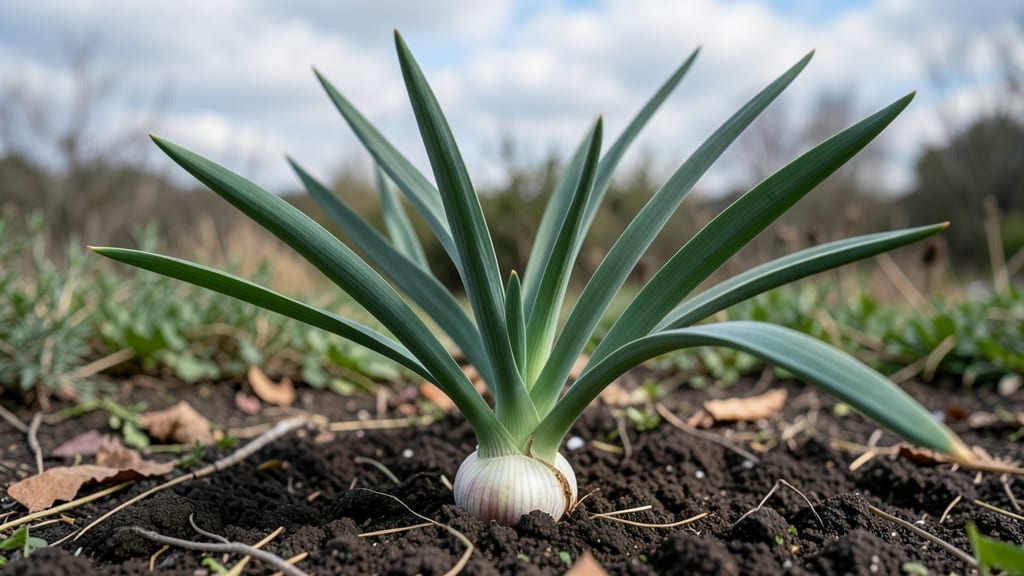
Harvesting allium before flowering unlocks a world of tender, flavor-packed green stems that elevate any dish—no bulb needed.
Did you know allium plants like garlic, onions, and chives can be harvested before flowering for tender green stems packed with bold flavor? This underutilized technique transforms your garden into a gourmet kitchen—without waiting for bulbs to mature.
In USDA Zone 6a, the best time to harvest these spring allium greens is between May and June, right when the buds firm up but before the flowers open. This window ensures you get the most flavor while keeping the plant healthy for future growth.
Below, I’ll walk you through the exact timing, cutting techniques, and care tips to maximize your harvest—plus how to use those vibrant greens in recipes that’ll make your kitchen smell amazing.
When and how to harvest allium green stems before flowering
Harvesting allium green stems before flowering unlocks a treasure trove of flavorful, tender shoots that elevate dishes without sacrificing future bulb production.
Unlike waiting for bulbs to mature, this technique lets you enjoy fresh greens earlier in the season while still allowing your plants to regrow and store energy for next year. The key? Timing, precision cuts, and proper aftercare to keep your plants thriving.
Not all alliums respond the same way to early harvesting. Garlic scapes, chive blossoms, and leek stems each have ideal windows and techniques. For example, garlic scapes should be removed when they form a tight loop, while chives can be snipped repeatedly throughout the growing season.
Understanding these nuances ensures you maximize yield without weakening your plants for next year’s harvest.
Here’s how to do it right, step by step:
Harvest when flower buds are firm but before blooms open. For garlic scapes, look for a tight, 6-inch loop. Chives and leeks should have 3-4 inches of stem growth with visible buds.
Use bypass pruners or sharp scissors to avoid crushing stems. For garlic scapes, cut 1 inch above the bulb to prevent damage. For chives, snip 1/3 of the plant at a time to encourage regrowth.
Cut stems in the morning after dew dries to preserve moisture and flavor. Avoid harvesting after rain or late in the day, as stems can become waterlogged or wilt faster.
After harvesting, apply a balanced fertilizer (5-10-10) and water deeply. This replenishes nutrients lost during cutting and encourages new growth for future harvests or bulb development.
Watch for new shoots within 2-3 weeks. If growth stalls, trim yellowed leaves and reduce watering slightly. For leeks, avoid harvesting stems more than twice per season to protect bulb development.
For garlic scapes, harvesting early actually improves bulb size by redirecting energy away from flowering. In contrast, chives can be cut back multiple times, but each harvest should be 1/3 of the plant to avoid stress.
Leeks, however, are more delicate—harvesting stems too aggressively can reduce bulb quality, so limit cuts to once or twice per season.
One common mistake is harvesting too late in the season. If you wait until flowers fully open, the stems become woody and bitter, ruining their culinary potential. Always prioritize early harvests when buds are still tight and green.
Pro tip: Mark your calendar for late spring to early summer, typically 6-8 weeks after planting, depending on your climate.
After harvesting, store stems in the fridge for up to 5 days or freeze them for later use. For long-term storage, dry chive blossoms or garlic scapes by hanging them in a well-ventilated, dark place for 1-2 weeks.
This preserves their flavor for months, perfect for adding to soups, salads, or homemade seasoning blends.
If you’re growing alliums for both greens and bulbs, focus on moderate harvesting. For example, harvest half the scapes from garlic plants to balance flavor gains with bulb development. Leeks and onions, however, should only have stems harvested once per season to avoid weakening the plant.
With the right approach, harvesting allium green stems before flowering becomes a year-round strategy—enjoying fresh flavors now while securing a bountiful bulb harvest later. Start small with a few plants, experiment with timing, and soon you’ll have a flavorful, sustainable garden staple.
Top 5 flavorful allium green stem recipes and culinary uses
Once you’ve harvested those tender allium green stems before flowering, don’t let them go to waste! These nutrient-packed greens add a mild, oniony punch to dishes without overpowering flavors. I’ve tested these 5 simple recipes that highlight their unique taste while keeping prep minimal.
From quick sautéed sides to bold fermented condiments, these ideas turn your garden harvest into kitchen staples. The best part? These recipes work with garlic chives, onion greens, or leek stems—just adjust seasoning to match your allium type.
-
1. Garlicky Allium Pesto
Blend 1 cup chopped stems with ¼ cup nuts, 2 tbsp olive oil, 1 tbsp lemon juice, and ½ tsp salt. Use on pasta, sandwiches, or roasted veggies. -
2. Quick-Pickled Greens
Slice ½ inch stems thin, pack into jars with 1% vinegar solution, and add ½ tsp mustard seeds. Ferment 3-5 days for tangy crunch. -
3. Sautéed Allium Greens
Cook 2 cups chopped stems in 1 tbsp butter for 3-4 minutes until wilted. Finish with salt and pepper—perfect over eggs or rice. -
4. Allium Butter Compound
Mix ½ cup finely chopped stems with 1 cup softened butter, 1 tsp garlic powder, and salt. Chill 2 hours before spreading on toast or baked potatoes. -
5. Garnish for Soups & Salads
Slice thin stems into ½-inch pieces for fresh garnish. Toss into tomato soups, grain bowls, or ceasar salads for a bright finish.
For maximum flavor, always use freshly harvested stems—they’re sweeter and more tender than store-bought greens. If you can’t use them immediately, store in a sealed container with a damp paper towel in the fridge for up to 5 days.
Pro tip: Freeze chopped stems in ice cube trays with water or oil for later use in cooking. One cube = one serving of pesto or soup booster!
These recipes prove that allium green stems are more than just a garden curiosity—they’re a versatile, flavor-packed ingredient waiting to transform your meals. Start with one recipe this week and let me know which becomes your favorite! 🌱