
Planting
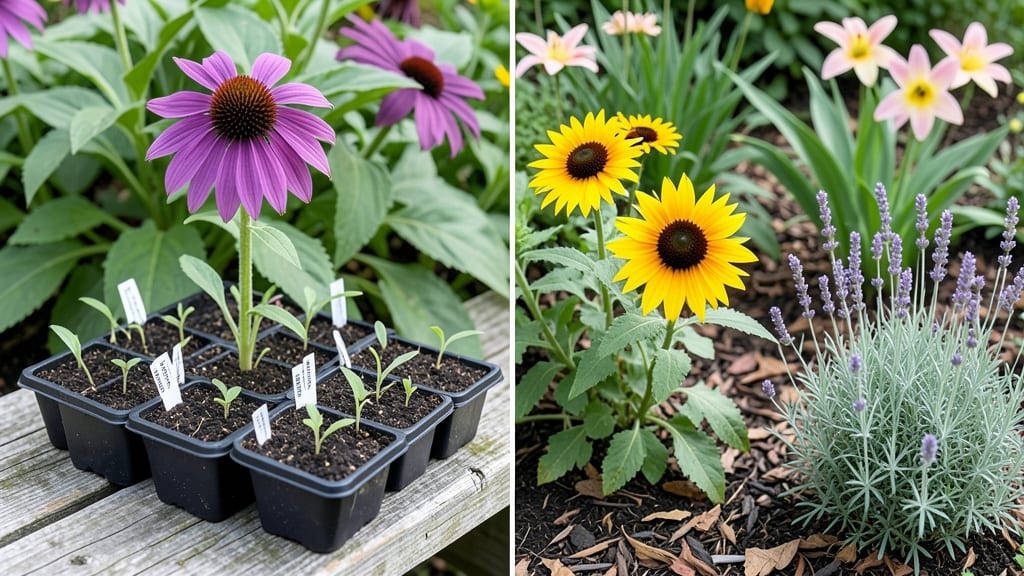
A Zone 5 flower planting schedule is your roadmap to a garden bursting with color—if you nail the timing between the last frost and peak summer heat.
Picture this: You’ve spent weeks carefully selecting seeds, only to rush them into the ground too early and watch them crisp under a late frost. Or worse, planting too late and missing the full bloom season.
In Zone 5, where frost can linger until mid-May and creep back by October 1st, those mistakes cost you months of vibrant blooms.
This schedule breaks down exactly when to plant annuals, perennials, and bulbs—from tulips in March to coneflowers in May—so you avoid the guesswork. We’ll also cover how to adjust for early or late frosts, ensuring your garden thrives no matter what Mother Nature throws your way.
By the end, you’ll know the perfect window for every flower type, plus soil prep tips and post-planting care to keep your garden looking its best from spring through fall.

Zone 5 flower planting schedule by last frost date categories
Timing is everything in Zone 5 gardening, where first frost dates can arrive as early as October 15 and last frosts linger until May 15. Missing these windows means wasted seeds or stunted plants.
I’ve broken down the exact planting windows for cool-season flowers (spring) and warm-season varieties (fall) so you can plan with confidence.
Your last frost date determines when to plant cool-season flowers like pansies and snapdragons, while first frost dates signal when to sow warm-season annuals like zinnias and marigolds. Even perennial flowers and spring-blooming bulbs need precise timing to thrive in Zone 5’s unpredictable climate.
Use this summary-table as your planting calendar guide. It organizes flowers by category—bulbs, perennials, and annuals—and aligns them with your local frost dates. For example, tulip bulbs should be planted in October (6-8 weeks before frost), while black-eyed Susans wait until May 15 after the last frost.
For spring planting, focus on cool-season flowers like pansies and hardy perennials such as coneflowers. These thrive when planted 4–6 weeks before your last frost date.
I recommend checking your local frost data—some Zone 5 regions (like Chicago) average last frosts by May 1, while others (like Denver) may wait until May 15.
If you’re planting warm-season annuals like zinnias or sunflowers, wait until after May 15—soil temperatures must reach 60°F (15°C) for seeds to germinate properly. Use a soil thermometer to confirm readiness. Pro tip: Cover seedlings with frost cloth if late frosts threaten in early June.
Don’t overlook fall planting for bulbs like crocuses and alliums. These frost-loving flowers need 8–10 weeks in the ground before winter sets in. Plant them in August or early September for early spring blooms.
Even perennial flowers like asters benefit from fall planting—they establish roots before winter and bloom vigorously next year.
Use this schedule to avoid common mistakes: planting too early (seeds rot in cold soil) or
Best flowers to plant in Zone 5 for season-long color and frost resistance
If you're dreaming of a garden that blooms from spring through fall without fear of frost, you need Zone 5-tough flowers that thrive in our unpredictable climate.
The key is choosing perennials with strong roots and annuals that rebound quickly—like coneflowers and black-eyed Susans, which laugh off late frosts and still deliver bold color until November.
I’ve tested these picks in my own Zone 5a garden, and they consistently outperform flimsy annuals. The secret? Pairing early bloomers (like tulips) with late-season stars (like chrysanthemums) ensures your garden never skips a beat.
Let’s dive into the top performers by season, so you can mix and match for a nonstop show.
- 🌷 Tulips – Plant bulbs in late fall (Oct–Nov) for April–May blooms; frost-hardy to -30°F. Tip: Choose Darwin Hybrid for sturdy stems.
- 🌼 Daffodils – Deer-resistant and frost-proof; plant bulbs in October for May–June flowers. Tip: Mulch heavily after planting.
- 🌺 Bleeding Heart – Shade-loving perennial with heart-shaped blooms; plant in spring after frost risk passes. Tip: Divide clumps every 3–4 years.
- 🌻 Coneflowers – Drought-tolerant and pollinator magnets; bloom July–October. Tip: Deadhead spent blooms to extend season.
- 🌼 Black-Eyed Susan – Golden-yellow blooms from July–September; thrives in poor soil. Tip: Cut back in early spring for bushier growth.
- 🌸 Daylilies – Heat-resistant with continuous blooms; plant in spring or fall. Tip: Varieties like 'Stella de Oro' stay compact.
- 🌼 Chrysanthemums – Hardy mums bloom September–November; plant in early spring for best results. Tip: Choose 'Bolero' series for frost resistance.
- 🌺 Russian Sage – Silvery-blue spikes from July–October; drought-proof once established. Tip: Prune in early spring to shape.
- 🌿 Asters – Late-season pollinator food; plant in spring for September–October blooms. Tip: Deadhead to prevent powdery mildew.
For extra frost protection, I recommend layering mulch (3–4 inches) around perennials in late fall. This insulates roots and keeps black-eyed Susans and coneflowers blooming until the first hard frost—often mid-October in Zone 5.
Pro tip: Group plants with similar water needs (like daylilies and Russian sage) to simplify care.
Don’t overlook annuals for instant color, either. Marigolds and zinnias are frost-tolerant when young and can handle light frosts if planted in late May.
Pair them with your perennials for a low-maintenance yet high-impact display. Just remember: annuals need replanting yearly, while perennials like coneflowers reward you for years.
With this lineup, your Zone 5 garden will stay vibrant from tulips in spring to chrysanthemums in fall, even when temperatures dip. The best part? These picks are low-maintenance, disease-resistant, and adaptable to partial shade or full sun. Now go ahead—plant with confidence! 🌸