
Blooming
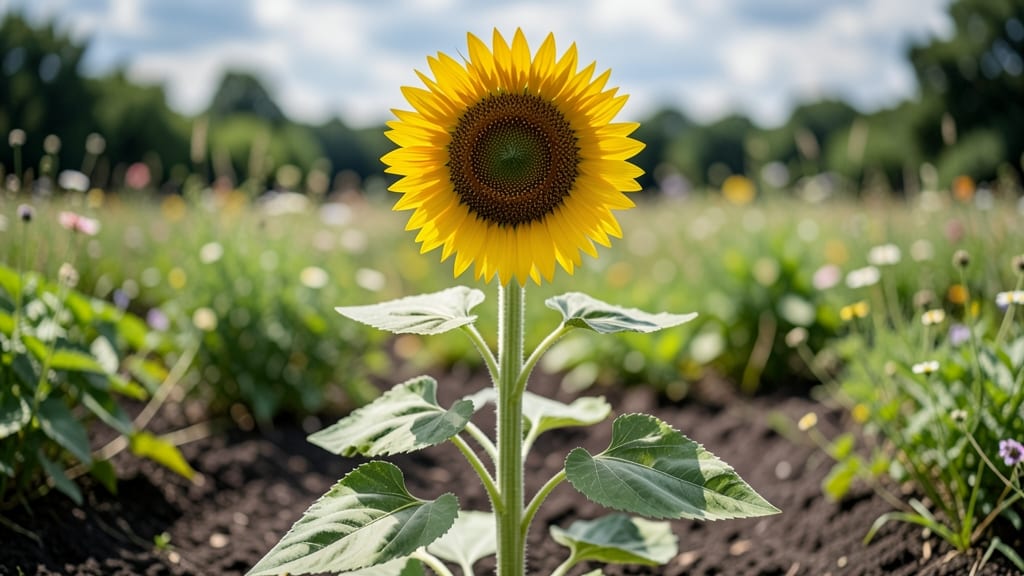
Sunflowers bloom in 50 to 120 days after planting, depending on the variety and growing conditions — but knowing the exact flowering time for your 🌻 can mean the difference between a summer-long display and a single, disappointing bloom.
Picture this: you’ve spent weeks watching your seedlings grow, only to wonder why some varieties take twice as long to flower as others.
The truth is, giant sunflowers like Mammoth can take up to 120 days to bloom, while dwarf varieties like Teddy Bear may flower in as little as 50 days. Climate, soil, and even planting date play a bigger role than most gardeners realize.
In this guide, we’ll break down how to predict your sunflowers’ flowering time based on the variety you choose, your USDA zone, and the best planting window for your region.
You’ll learn how sunlight, temperature, and even watering habits can speed up or delay blooms — and how to adjust your garden plan for the most stunning, long-lasting flowers.
Whether you’re growing sunflowers for cutting, birdseed, or just the joy of watching them tower over your garden, these insights will help you plan ahead for a show-stopping display every season.
How long until sunflowers bloom: flowering time by popular variety
Sunflowers are one of the fastest-growing annuals in the garden, but their flowering time varies wildly depending on the variety you choose. Some dwarf types bloom in as little as 50 days, while giant varieties like Mammoth can take up to 120 days from seed to flower.
Understanding these differences helps you plan for stunning summer displays or extend your harvest season.
Most sunflowers follow a predictable bloom timeline, but climate zone and planting date can shift this by weeks. For example, a Teddy Bear sunflower planted in Zone 5 in May might bloom by late July, while the same variety in Zone 9 could start flowering as early as June.
Let’s dive into the specifics of popular varieties and how to adjust for your growing conditions.
Comparison Table: Sunflower Flowering Time by Variety
If you’re growing giant sunflowers like Mammoth or Russian Giant, expect the longest flowering time—often 100+ days from seed. These varieties need warm soil and consistent moisture to reach their full potential.
Plant them early in Zone 5-7 (after last frost) for summer blooms, or opt for fall planting in Zone 8-10 to avoid heat stress.
For dwarf varieties, like Teddy Bear or Little Becka, you’ll see blooms in as little as 45-60 days. These are perfect for container gardening or adding quick color to borders.
Their shorter days to bloom also makes them ideal for late summer plantings, giving you flowers even if you miss the spring window.
Did you know ProCut sunflowers are bred specifically for long vase life? Their 60-70 day bloom time balances early flowering with sturdy stems. I’ve found they perform best in full sun with regular deep watering, especially during their critical first 30 days of growth when roots establish.
In warmer climates (Zones 8-10), sunflowers can bloom 2-3 weeks earlier than in cooler regions. For example, a Teddy Bear planted in Zone 9 might start flowering in early June, while the same variety in Zone 5 won’t bloom until late July.
Adjust your planting date accordingly—aim for 60-70 days before your first frost for a fall harvest.
One pro tip: Succession planting works wonders for extending your bloom season. Sow fast-blooming dwarfs every 2-3 weeks in spring, followed by taller varieties 4-6 weeks later. This staggered approach ensures you have sunflowers in bloom from mid-summer to early fall, even in shorter growing seasons.
Watch for bolting—when sunflowers shoot up quickly toward flowering. This is normal, but overcrowding or nutrient deficiencies can speed it up. Thin seedlings to 12-18 inches apart (depending on variety) and fertilize lightly with a balanced
Sunflower bloom timeline: when to plant for peak seasonal flowers
Timing your sunflower planting is the secret to longer bloom seasons and healthier flowers. Most gardeners assume they can plant seeds anytime, but the truth is that soil temperature and frost risk dramatically impact when your sunflowers will bloom.
For example, planting too early in cold zones can delay blooms by 3-4 weeks, while late planting might cut your harvest short.
To maximize your sunflower display, you need to align your planting with your USDA zone and the variety’s flowering time. Giant varieties like Mammoth need 120 days to bloom, while dwarfs like Teddy Bear may flower in just 50 days.
The key is knowing when to start seeds indoors or directly sow outdoors to ensure blooms appear when you want them—whether for summer bouquets, fall harvests, or even winter interest in mild climates.
🌱 Key Planting Windows by USDA Zone
- 🌡️ Zones 3-5 (Cold Climates): Start seeds indoors 6-8 weeks before last frost (typically March-April). Transplant outdoors after soil reaches 55°F (mid-May).
- 🌞 Zones 6-8 (Temperate): Direct-sow seeds 2-3 weeks after last frost (early April-May). For fall blooms, sow again in late July-August for late-season color.
- 🌴 Zones 9-11 (Warm Climates): Plant seeds year-round with 2-3 week intervals for continuous blooms. Avoid planting in peak summer heat (above 90°F).
- ⏰ All Zones (Fall Blooms): For winter interest, sow seeds 60-70 days before first frost (typically late August-September). Choose dwarf varieties for easier care.
Your local frost dates are the first clue for timing. In USDA Zones 3-5, where frost lingers until May, I recommend starting seeds indoors in late March to give them a head start. This ensures they’re ready to transplant outdoors by early May, giving you blooms by mid-July.
In warmer zones like Zone 9, you can plant directly into the garden as early as February for spring blooms or August for fall displays.
Don’t overlook the power of soil temperature. Sunflower seeds won’t germinate well in soil colder than 50°F. Use a soil thermometer to check—if it’s too cold, wait or use black plastic mulch to warm the soil faster.
Pro tip: In Zone 6, I’ve seen seeds planted in April bloom 2 weeks earlier than those planted in May, simply because the soil was warmer.
For extended bloom seasons, try successive planting. In Zones 6-8, sow a batch every 2 weeks from April through June. This staggered approach ensures you have sunflowers in bloom from July through October.
Just remember: the later you plant, the smaller your flowers may be, so balance quantity with quality by choosing the right timing for your goals.
Finally, account for your sunflower variety’s maturity time. If you’re growing ProCut (70 days to bloom) but live in Zone 4, plant in late May to avoid frost damage before flowering.
For Mammoth varieties (120 days), start seeds indoors in March to ensure blooms appear by late August. With these adjustments, you’ll turn your garden into a sunflower spectacle tailored to your climate.