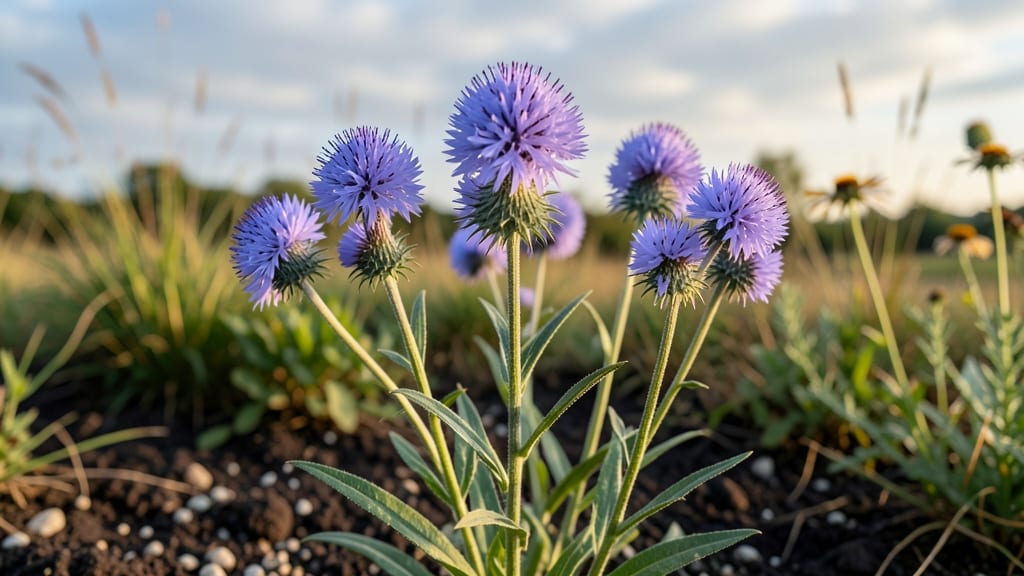
Bachelor button flowers grow between 1 and 2 feet tall at maturity, but their final height depends on the variety you choose 🌸 — and getting this right makes all the difference in your garden layout.
Picture this: you’ve just planted your spring garden, and by summer, your bachelor buttons are either sprawling into neighboring plants or looking lost in a sea of taller blooms. The key? Knowing the exact height range for each type so you can space them properly from day one.
Some varieties stay compact at just 8 to 12 inches, perfect for containers or borders, while others reach nearly 2 feet and need room to shine in the back of a bed.
Below, I’ll break down the heights by type, how sunlight and soil affect growth, and the simple pruning tricks to keep them at your desired size.
Whether you’re designing a cottage garden or filling window boxes, these insights will help you avoid overcrowding and create a display that’s both functional and stunning. Let’s dive into the numbers so you can plan with confidence!
📈
Bachelor Button Growth Timeline
Bachelor button flower height by variety: exact growth ranges for planning
Bachelor buttons (Centaurea cyanus and Centaurea moschata) are classic cottage garden stars, but their height can vary from compact 8-inch dwarfs to towering 36-inch giants. Knowing these exact ranges helps you plan borders, containers, and cut flower arrangements without overcrowding.
I’ll break down the most popular varieties—including dwarf, standard, and tall types—so you can choose what fits your space perfectly.
Most bachelor button varieties thrive in full sun (6+ hours daily), but their mature height shifts dramatically based on genetics. For example, ‘Black Ball’ stays under a foot tall, while ‘Blue Boy’ can reach nearly 3 feet.
Even the spread width changes—some varieties sprawl 18 inches wide, while others stay neatly upright. Let’s dive into the specifics so you can space them like a pro.
Pro Tip: Always check your variety’s tag—even within the same species, heights can differ by 12+ inches. For instance, Centaurea moschata ‘Alba’ (white) grows 24–30 inches, while ‘Violetta’ (purple) maxes out at 18–24 inches. These differences matter when pairing with taller perennials like delphiniums or shorter annuals like pansies.
| Variety |
Mature Height |
Spread Width |
Ideal Spacing (Full Sun) |
Partial Shade Note |
| Dwarf Varieties |
8–12 in |
12–15 in |
8–10 in apart |
Grows slightly shorter |
| ‘Black Ball’ |
10–12 in |
12–14 in |
8 in apart |
Dark petals may fade |
| Standard Varieties |
18–24 in |
15–18 in |
12–15 in apart |
May flop without staking |
| ‘Blue Boy’ |
24–30 in |
18 in |
15 in apart |
Needs support |
| ‘Alba’ (White) |
24–30 in |
18 in |
15 in apart |
Blooms later in shade |
| Tall Varieties |
30–36 in |
18–24 in |
18–24 in apart |
Requires staking |
| ‘Violetta’ |
18–24 in |
15–18 in |
How to space bachelor buttons for maximum blooms (avoid overcrowding)
Proper spacing transforms your bachelor button garden from a chaotic mess to a well-structured showstopper. These flowers thrive when they have room to breathe, which prevents disease pressure and encourages longer blooming seasons.
The golden rule? Space them based on their mature height category—dwarf, medium, or tall—to avoid competition for sunlight and nutrients.
For dwarf varieties (like 'Blue Ball' or 'Cherry'), aim for 6 to 8 inches apart in containers or borders. These compact beauties stay under 12 inches tall and are perfect for edging or window boxes.
Medium-height types (such as the classic 'Blue Boy') need 12 to 18 inches of space to reach their 18 to 24-inch mature height without crowding neighbors.
Tall varieties (like 'Black Ball' or 'Ruby Red') can reach up to 2 feet and require 18 to 24 inches of spacing in garden beds. In mixed borders, place them toward the back of the bed to let shorter plants shine in front.
Containers are a game-changer for tall types—use 5-gallon pots with 3 plants per container to mimic natural spacing.
-
Dwarf Varieties (8–12" tall):
🌱
Spacing: 6–8" apart
Best for: Containers, borders, edging
Example: 'Blue Ball', 'Cherry'
-
Medium Varieties (18–24" tall):
🌿
Spacing: 12–18" apart
Best for: Mixed beds, mid-height borders
Example: 'Blue Boy', 'White Lace'
-
Tall Varieties (24+" tall):
🌳
Spacing: 18–24" apart
Best for: Back of beds, containers (3/5-gal pot)
Example: 'Black Ball', 'Ruby Red'
Airflow is just as critical as spacing. Crowded plants trap moisture, creating the perfect conditions for powdery mildew or botrytis blight. Thin seedlings early to avoid overcrowding, and prune spent blooms to encourage new growth.
For containers, use well-draining soil and elevate pots to improve airflow at the base.
In mixed borders, pair bachelor buttons with companion plants that have similar water needs, like marigolds or cosmos. This creates a low-maintenance ecosystem where each plant supports the others. For example, place dwarf bachelor buttons alongside salvias or thyme to add texture without competition.
Remember, pruning isn’t just for shaping—it’s a tool to control height. Pinch back leggy stems in early summer to encourage bushier growth and shorter stature. This works especially well for tall varieties in small gardens.
With the right spacing, your bachelor buttons will reward you with vibrant blooms from early summer to frost—and that’s a garden win!
★★★★★4.5(3 reviews)
|