
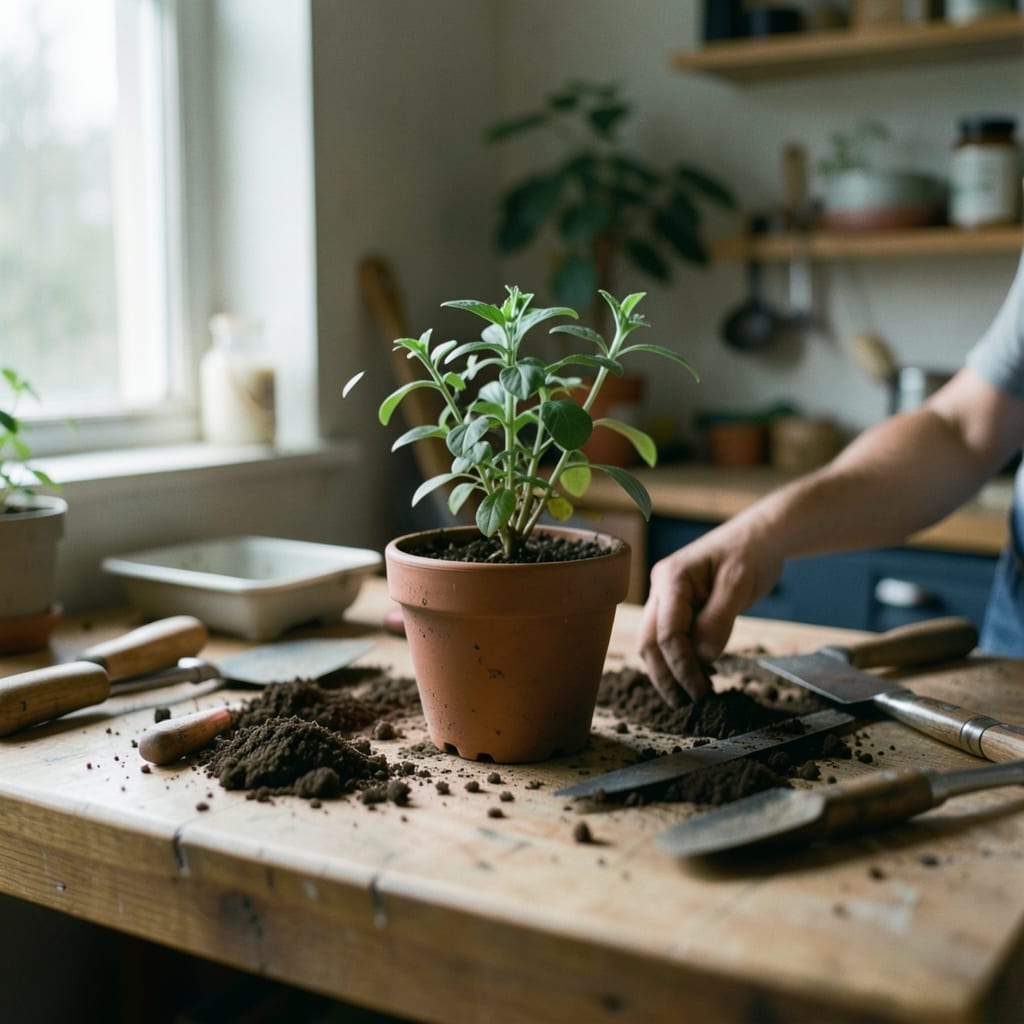
The things we got wrong
This page isn’t a list of what *worked*. It’s a list of what didn’t—and why we decided to keep the record. A gardening site that never admits its mistakes is like a soil test that hides its pH: you’ll never know if the advice is sound.
The reader gets two things here: a way to measure the site’s trustworthiness, and a glimpse of how it stays that way.
If we buried our errors, you’d have no way to know if the next tip about pruning or composting was tested in a real garden or just written on a good day. This log is proof we still dig in the dirt ourselves.
Three we had to fix
The most consequential failures came first. Some stood for months before they were caught; others were spotted in hours. Every one of them changed how we work.
What those three changed
These failures forced us to build three new rules into the site’s process. The first two are now embedded in the editing workflow; the third is a standing request in every site meeting.
Rules that came from mistakes
- 1. All data must be sourced from at least three independent, real-world tests. (From the seed viability chart error)
- 2. Timelines and processes must be verified by someone who’s actually done them. (From the composting timeline mistake)
- 3. ‘Natural’ is not the same as ‘safe.’ Every ‘non-toxic’ claim requires a second review by someone with hands-on experience. (From the pesticide list error)
The people behind this
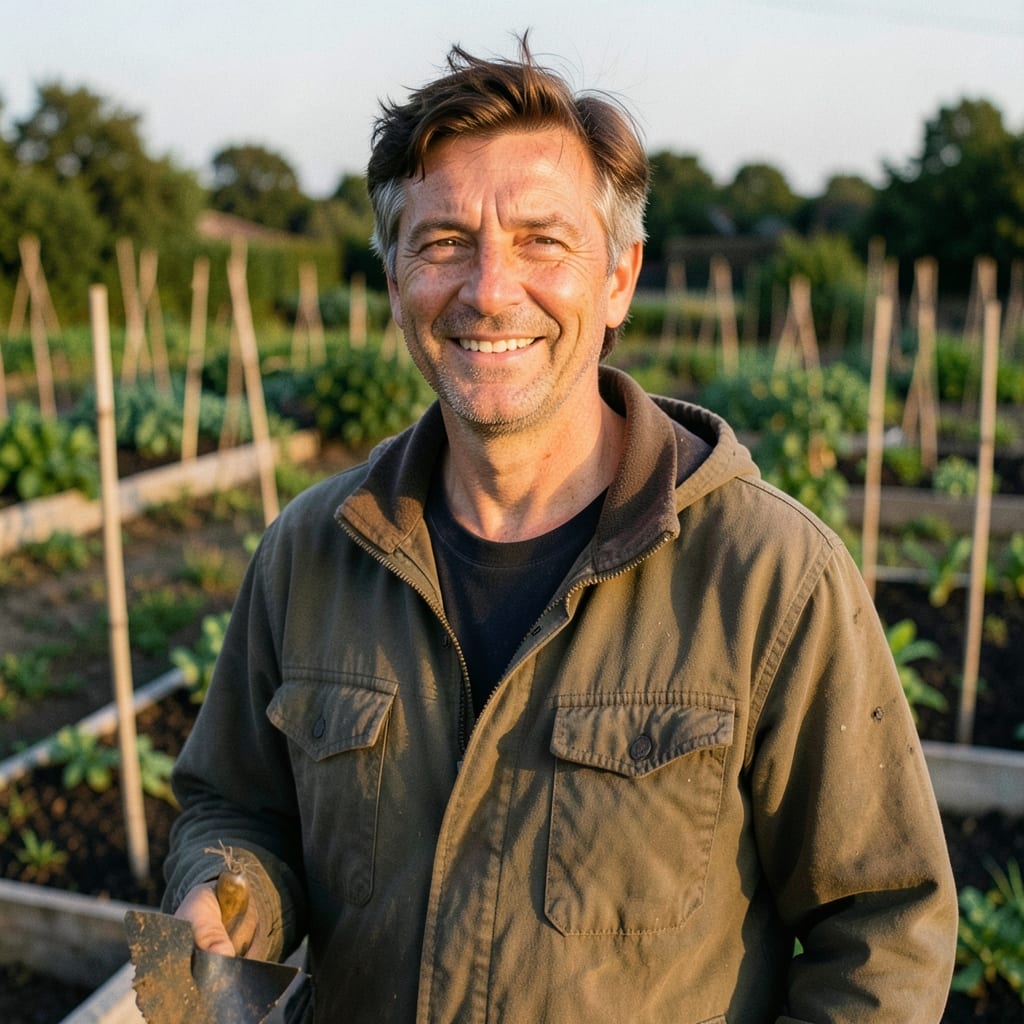
You’ve just met the only person who works here: Roland Ingalls, founder and editor. He’s the one who signed the corrections above—not because he’s infallible, but because he’s the one who still shows up to pull weeds at 3 a.m. when the site’s servers are down.
This log exists because he believes a gardening site that doesn’t admit its failures is like a rose bush that hides its thorns: pretty until you touch it.
Keeping a list like this isn’t comfortable. It means admitting that even after years of writing about soil health, we once told readers to add coffee grounds to compost *without testing how it affected pH in clay soil*.
It means owning up to the fact that some of the most-read advice here was wrong for a long time. But the alternative—pretending we never make mistakes—would be worse than the errors themselves.
There’s a smaller mistake Roland won’t admit to publicly: the time he swore he’d planted marigolds around his tomatoes to deter pests, only to realize months later they were actually nasturtiums.
The tomatoes thrived anyway, but the humiliation of being caught by his neighbor (who’d sent him seeds years ago) still makes him double-check plant names before publishing.
That’s the kind of person this site answers to: not the perfect gardener, but the one who shows up with dirty knees and a notebook.
If you find something here that’s wrong—or even just unclear—don’t assume it’s intentional. The contact page is where to send it. And if you’re the one who spots it? Thank you. That’s how this list stays honest.
There will be a next one
This list isn’t finished. The next correction might be about a mislabeled herb, a pruning guide that missed the moon’s phase, or a soil amendment that worked in one climate but failed in another.
We’ll add it when we find it—and we’ll sign our names to it, just like the ones above.
If you’re reading this and you’ve already noticed something that doesn’t add up, the contact page is where to tell us. No need to wait for us to catch it. The best gardens improve with every season—and this site improves with every correction.
The guides are grouped by category: Advice, Aphids, Blooming, Companion Plants, Container Gardens and Diseases.