
Flowers
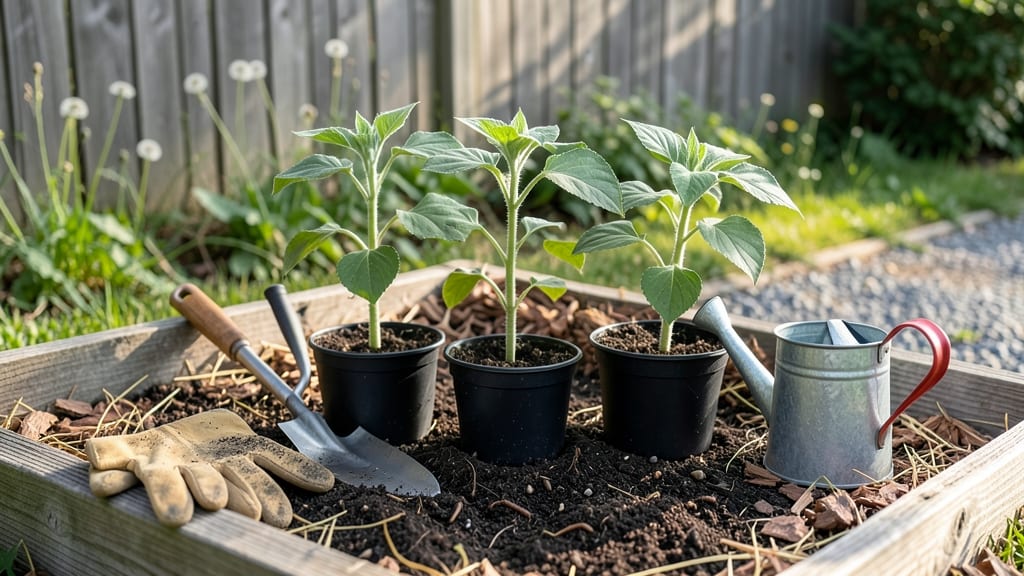
Planting sunflowers in Arizona between November and March ensures they thrive in cooler temperatures and avoid the brutal summer heat 🌻.
Arizona’s scorching summers might seem like the last place for sunflowers, but with the right timing and heat-tolerant varieties, you can enjoy vibrant blooms all season long—without worrying about frost.
Most of Arizona’s low desert (like Phoenix) never sees frost, so the real challenge is beating the heat. Planting in winter lets sunflowers establish roots before temperatures climb, while varieties like ‘Moulin Rouge’ handle 110°F+ with ease.
Below, I’ll break down the best months for your zone, soil prep tricks, and how to keep your sunflowers happy even when the thermometer spikes.
Best months to plant sunflowers in Arizona’s climate zones
Arizona’s desert climate might seem challenging for sunflowers, but with the right timing, you can grow vibrant, heat-resistant blooms year-round. The key lies in understanding your USDA zone—whether you're in the low desert (10-11) or high desert (7-9)—and planting during cooler months to avoid summer’s extreme heat.
In Arizona, frost is rare in low deserts but possible in high elevations, so timing focuses on heat avoidance rather than frost dates.
For zero-frost blooms, plant heat-tolerant varieties between November and March, when daytime temps stay below 85°F, giving plants time to establish before summer’s 110°F+ scorcher.
| Climate Zone | Best Planting Window | Heat Tolerance | Bloom Guarantee |
|---|---|---|---|
| Low Desert (10-11) | November–March | 110°F+ (with shade) | Year-round blooms |
| High Desert (7-9) | February–April | 100°F+ (with mulch) | Spring–Summer blooms |
| Both Zones | October (early start) | 85°F max | Winter–Spring blooms |
For low desert gardeners (Zone 10-11), the ideal window spans November through March, allowing sunflowers to mature before summer’s heat peaks. Varieties like ‘Moulin Rouge’ thrive here, producing deep red blooms even in 110°F+ temperatures when given afternoon shade.
In high desert areas (Zone 7-9), plant between February and April to avoid late-spring frosts. Here, ‘Autumn Beauty’ excels, offering multi-colored blooms that tolerate 100°F+ with proper mulching to retain moisture.
If you’re eager for earlier blooms, try planting in October—just ensure soil temps stay above 60°F for germination. This cool-season start gives plants a head start before summer’s intensity, though young seedlings may need light shade cloth during April’s heat spikes.
One of my biggest mistakes was planting sunflowers in May—they bolted quickly but wilted by June under 115°F shade. Instead, I now stick to winter planting and use drip irrigation to keep roots cool. This ensures taller, healthier stems and longer bloom seasons.
For extended blooms, succession plant every 2-3 weeks from November to February. This staggered approach guarantees continuous color from winter through spring, even in Arizona’s harshest heat. Pair with drought-tolerant companions like lantana or blackfoot daisy to reduce water needs.
Remember: Soil prep is critical. Amend with compost to improve drainage, and avoid over-fertilizing, which can lead to leafy growth over blooms. A light feeding of 5-10-10 fertilizer at planting is enough—sunflowers are heavy feeders but thrive in poor soil if given time to establish.
With the right timing and varieties, your Arizona garden can burst with sunflowers year-round, proving that even the hottest deserts can grow cool-season blooms with a little strategy. Start planting in November, and enjoy frost-free, heat-resistant blooms all season! 🌻☀️
Top 5 heat-tolerant sunflower varieties for Arizona gardens
Arizona’s extreme heat can wilt many sunflowers, but these five heat-tolerant varieties thrive in 110°F+ temperatures while requiring minimal water 🌡️. Each was selected for drought resistance, long bloom seasons, and ability to handle Arizona’s intense sunlight without wilting.
My top pick for Arizona gardens is ‘Moulin Rouge’, a stunning double-flowered variety that blooms from spring through fall and handles heat better than standard sunflowers. Its deep red petals also attract pollinators year-round, making it a dual-purpose winner.
For those with limited space, ‘Teddy Bear’ sunflowers reach only 1-2 feet tall while still producing bright yellow blooms that last months. This compact variety is perfect for containers and urban gardens where space is tight.
Here’s how these varieties compare in key categories like drought tolerance, bloom duration, and height:
‘Russian Giant’ is my go-to for dramatic height, reaching 12-15 feet tall while producing massive 12-inch blooms. This variety handles Arizona’s heat but needs deep, well-draining soil to prevent root stress during summer monsoons.
If you want long-lasting color, ‘Autumn Beauty’ is unbeatable—its petals transition from yellow to rust to deep red over 6-8 weeks, extending your bloom season. It’s also highly resistant to bird damage, a common issue in Arizona gardens.
For a unique texture, try ‘ProCut’ sunflowers, bred specifically for long vase life and heat tolerance. Their semi-double blooms stay fresh for weeks, making them ideal for cutting gardens in Arizona’s dry climate.