
Blooming
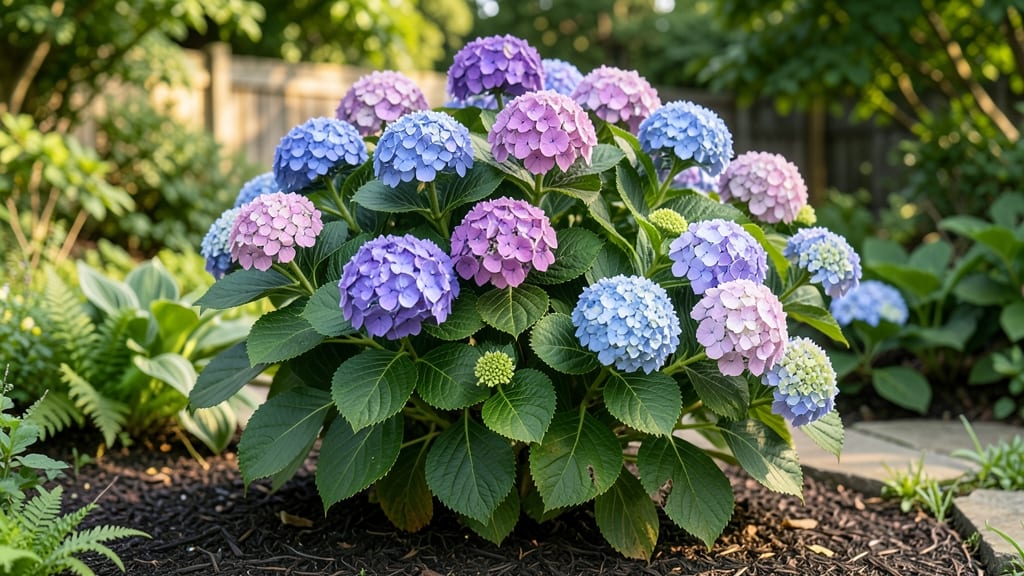
Hydrangeas flower at their most vibrant when you time care with their natural blooming cycles — and missing those windows can mean fewer flowers or faded color.
If you’ve ever wondered why your 🌸 hydrangea blooms early in June while your neighbor’s waits until August, the answer lies in their variety and growing zone. Some types, like Bigleaf, burst into color in early summer, while Oakleaf hydrangeas often peak in late summer—sometimes even into fall.
Knowing these exact bloom times lets you plan pruning, fertilizing, and even color adjustments for the showiest display.
In USDA Zone 6a, where late frosts can delay growth, timing is everything. Planting in late April or May (after your last frost) sets the stage, but the real magic happens in June when buds form. The key to extending that bloom?
Pruning at the right time, feeding with balanced fertilizer in spring, and keeping soil moist without overwatering. Skip these steps, and you might end up with leggy stems or flowers that fade too soon.
Below, I break down the exact bloom months for 12+ popular hydrangea varieties, plus pro tips to stretch your flowering season from early summer all the way to September. Whether you’re dealing with early bloomers or late-season laggards, this guide keeps your hydrangeas in peak form for months.
Hydrangea flower time by variety: exact blooming months revealed
Timing is everything when it comes to hydrangeas, and each variety has its own peak bloom window. Understanding these cycles helps you plan pruning, fertilizing, and even seasonal color displays.
Some varieties burst into bloom as early as May, while others wait until August—and knowing which is which ensures you never miss a single spectacular flower.
Whether you're in USDA Zone 5 or Zone 9, the months may shift slightly, but the general bloom patterns remain consistent.
I’ve broken down the exact bloom times for 12+ popular hydrangea types, including early, mid-season, and late bloomers, so you can sync your gardening tasks perfectly with nature’s schedule.
| Variety | Peak Bloom Months | USDA Zone Adjustments | Bloom Type |
|---|---|---|---|
| Bigleaf (H. macrophylla) | June–August | Zones 5-9: Shift 1-2 weeks earlier in cooler zones | Terminal (old wood) |
| Panicle (H. paniculata) | July–September | Zones 3-8: Late bloomers in warm zones | Non-terminal (new wood) |
| Oakleaf (H. quercifolia) | June–July | Zones 5-9: Earlier in warmer climates | Terminal (old wood) |
| Smooth (H. arborescens) | June–August | Zones 3-9: Consistent across regions | Non-terminal (new wood) |
| Mountain (H. serrata) | June–July | Zones 5-8: Shorter bloom window | Terminal (old wood) |
| Limelight (Panicle) | August–September | Zones 4-8: Late-season star | Non-terminal (new wood) |
| Endless Summer (Bigleaf) | June–October | Zones 4-9: Extended blooms | Terminal (old + new wood) |
| Nikko Blue (Bigleaf) | July–August | Zones 6-9: Heat-loving | Terminal (old wood) |
| Little Lime (Panicle) | July–September | Zones 3-8: Compact bloomer | Non-terminal (new wood) |
| Annabelle (Smooth) | June–August | Zones 3-9: Classic choice | Non-terminal (new wood) |
| PeeGee (Panicle) | July–September | Zones 4-8: Tall and dramatic | Non-terminal (new wood) |
| Snow Queen (Oakleaf) | June–July | Zones 5-9: Early white blooms | Terminal (old wood) |
If you’re growing Bigleaf hydrangeas like 'Nikko Blue' or 'Endless Summer', you’ll notice blooms start in June and can last well into fall. These varieties rely on old wood for flowers, so pruning at the wrong time can mean missed blooms.
Meanwhile, Panicle types like 'Limelight' or 'PeeGee' bloom later, often in August, making them perfect for late-season color.
The Oakleaf hydrangea is a June favorite, with its white flowers and stunning fall foliage. It’s one of the earliest bloomers, so if
How to extend your hydrangea flower time naturally (season-long blooms)
Want your hydrangeas to bloom longer and look more vibrant all season? The secret lies in a few simple, natural gardening techniques that most gardeners overlook.
By adjusting your pruning schedule, soil conditions, and watering habits, you can transform your hydrangeas from a fleeting summer display into a long-lasting centerpiece. The best part? These methods work for both repeat-blooming and once-blooming varieties.
Many gardeners make the mistake of assuming hydrangeas bloom only once per year, but with the right care, you can enjoy continuous blooms from early summer to fall. The key is understanding when and how to prune, feed, and maintain your plants.
For example, Bigleaf hydrangeas (like 'Endless Summer') can rebloom if pruned correctly, while Panicle hydrangeas (like 'Limelight') naturally produce flowers on new wood, making them easier to extend.
5 Proven Ways to Extend Hydrangea Blooms
- 1 Prune for repeat blooms: Cut back old wood in late winter (for once-bloomers) or spent flowers in late summer (for repeat-bloomers). This encourages new growth and extends the flowering season.
- 2 Adjust soil pH: Test your soil and amend it to 5.2-5.5 for blue flowers or 6.0+ for pink flowers. Use sulfur or lime to shift colors and keep blooms vibrant longer.
- 3 Deadhead regularly: Remove faded flower heads every 2-3 weeks to redirect energy to new blooms. Use clean, sharp pruning shears to avoid damaging stems.
- 4 Water deeply and consistently: Hydrangeas need 1-1.5 inches of water per week. Water at the base of the plant in the morning to prevent fungal diseases and stress.
- 5 Mulch and fertilize lightly: Apply 2-3 inches of mulch around the base to retain moisture and cool roots. Use a balanced fertilizer (10-10-10) in early spring and mid-summer only.
One of the biggest mistakes I see is over-pruning hydrangeas in the wrong season. For example, if you prune Bigleaf hydrangeas in late summer, you’ll remove next year’s flower buds. Instead, prune these varieties in late winter or early spring before new growth appears.
For repeat-blooming varieties, like 'Nikko Blue' or 'Limelight', you can safely prune spent blooms throughout the season to encourage more flowers.
Another game-changer is soil pH. Hydrangeas are famous for their color-changing blooms, but did you know that blue flowers thrive in acidic soil (pH 5.2-5.5), while pink flowers prefer slightly alkaline soil (pH 6.0+)?
If your hydrangeas are producing greenish or dull blooms, it’s time to test your soil and make adjustments. For example, adding aluminum sulfate will turn flowers blue, while garden lime will shift them to pink.
Consistent watering habits are just as critical. Hydrangeas are sensitive to drought stress and overwatering. I recommend watering deeply once a week (or more in extreme heat) and always at the base of the plant.
Avoid wetting the leaves to prevent powdery mildew, which can weaken your hydrangeas and shorten their bloom time. A drip irrigation system or soaker hose works best for even moisture distribution.
Finally, don’t underestimate the power of deadheading. By removing spent blooms every 2-3 weeks, you’re telling your hydrangea to focus energy on new growth instead of seed production. Use clean pruners to make cuts just above a leaf node or bud.
This simple step can extend your blooming season by 4-6 weeks, especially for repeat-blooming varieties like 'Endless Summer' or 'Vanille Fraise'.
With these natural, low-effort techniques, your hydrangeas will not only bloom longer but also stay healthier and more vibrant. Start with just one or two methods this season, and you’ll notice a dramatic difference in your garden’s summer display. Happy gardening! 🌸