
Flowers
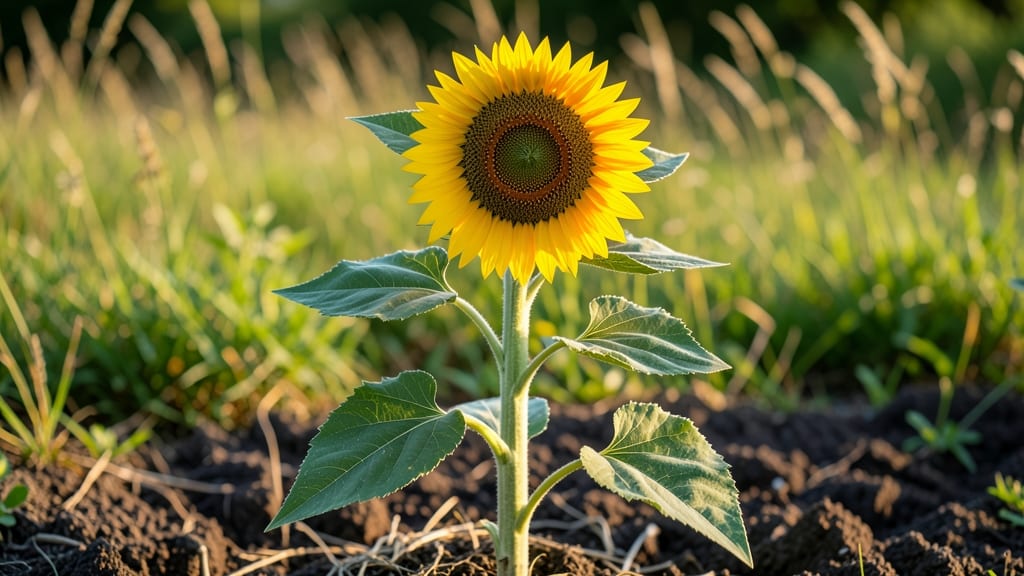
How tall are sunflowers? You might be surprised—some varieties grow taller than you think, stretching up to 12 feet or more and turning your garden into a vertical masterpiece 🌻.
If you’ve ever dreamed of towering sunflowers that dwarf your fence—or your neighbors’—you’re in the right place. Some sunflower varieties grow so tall they’ll make you feel like a child in a field of giants, reaching heights of 12 feet or more.
But not all sunflowers are giants—height varies wildly by variety, from dwarf types under 3 feet to monster hybrids that top 16 feet. The right choice depends on your space, goals, and whether you want a privacy screen or a showstopper centerpiece.
Below, I’ll break down the height ranges, what makes a sunflower grow tall (or stay short), and how to support those 10-foot-plus giants so they don’t flop over in the first wind.


Sunflower height guide: from dwarf to giant varieties
If you're planning your sunflower garden, knowing how tall are sunflowers can help you choose the perfect variety for your space. Sunflower heights range dramatically from dwarf varieties under 3 feet to giant sunflowers towering over 12 feet.
The right choice depends on your garden layout, sunlight, and even your local climate. For example, a 3-foot sunflower might fit perfectly in a container, while a 12-foot giant could create a stunning privacy screen or focal point.
Sunflower height isn't just about aesthetics—it also affects spacing, staking needs, and even how you harvest seeds. Tall sunflowers (8+ feet) often require sturdy support to prevent toppling in wind or rain, while dwarf varieties (1-3 feet) are ideal for small gardens or cutting gardens.
Understanding these differences ensures your sunflowers thrive without crowding each other or overwhelming your space.
🌻 Variety is the #1 factor in sunflower height. Some varieties are bred specifically for compact growth, while others are engineered to reach record-breaking heights. Below, we break down the key categories: dwarf (1-3 ft), semi-dwarf (3-6 ft), standard (6-10 ft), and giant (10-16+ ft). Each has unique care requirements, so let’s explore how to match the right type to your garden.
| Variety Type | Height Range | Best For | Sunlight Needs | Spacing |
|---|---|---|---|---|
| Dwarf | 1–3 ft | Containers, borders, cutting gardens | Full sun (6+ hrs) | 12–18 inches apart |
| Semi-Dwarf | 3–6 ft | Small gardens, pollinator plots | Full sun (6–8 hrs) | 18–24 inches apart |
| Standard | 6–10 ft | Back of borders, cut flowers | Full sun (8+ hrs) | 24–36 inches apart |
| Giant | 10–16+ ft | Privacy screens, focal points | Full sun (8–10 hrs) | 36–48 inches apart |
Dwarf sunflowers (1–3 feet) are perfect for small spaces or urban gardens where vertical growth is limited. Varieties like 'Teddy Bear' or 'Moulin Rouge' stay compact but still produce vibrant blooms. These types need less sunlight (6+ hours) and thrive in containers, making them ideal for patios or balconies. Their shorter stature also means minimal staking needs, though a light windbreak can help in exposed areas.
For medium-height sunflowers (3–6 feet), you’ll find a balance between manageable size and dramatic impact. These varieties, such as 'Autumn Beauty' or 'ProCut,' are popular for cut flower arrangements and pollinator gardens. They require 6–8 hours of sunlight daily and benefit from well-draining soil.
Plant them 18–24 inches apart to allow airflow and prevent disease. Their height makes them great for the middle of flower beds or mixed borders.
When it comes to standard sunflowers (6–10 feet), you’re entering the classic sunflower territory. These varieties, like 'Russian Giant' or 'Mammoth,' are staples in gardens for their bold presence and ease of growth. They need 8+ hours of full sun and rich, fertile soil to reach their full potential.
Space them 24–36 inches apart to avoid overcrowding, and consider adding stakes or cages if your garden experiences strong winds or heavy rain.
Giant sunflowers (10–16+ feet) are the showstoppers of the sunflower world. Varieties like 'American Giant' or 'Colossus' can grow taller than a two-story house, making them perfect for creating natural privacy screens or dramatic focal points in large gardens. These giants demand 8–10 hours of sunlight and deep, nutrient-rich soil. Plant them 36–48 inches apart and use sturdy stakes or trellises to support their towering stems, especially in windy conditions.
Did you know? The world record for tallest sunflower stands at over 16 feet, achieved by 'Mammoth' varieties under ideal growing conditions. To encourage maximum height, focus on consistent watering, regular fertilization, and protection from pests.
Even in smaller gardens, a single giant sunflower can become a conversation piece and attract pollinators like bees and butterflies.
If you're growing sunflowers for seed production, taller varieties often yield more seeds per
How to grow sunflowers that reach 12+ feet: pro tips
Growing sunflowers that reach 12 feet or taller isn’t just about luck—it’s a mix of science and strategy. The right soil prep, sunlight exposure, and support systems can turn your garden into a sunflower skyscraper.
I’ve grown giants like the Russian Giant variety, and I’ll share exactly how to coax those towering stems from seed to sky.
First, let’s talk about the foundation: soil and sunlight. Sunflowers are sun worshippers, needing at least 6-8 hours of direct sunlight daily. Without this, your giants will stay stunted.
I always test my soil’s drainage and nutrient levels—amending with compost or aged manure gives them the boost they need to reach for the sky.
Watering is another critical factor—especially for giants. Deep watering 2-3 times per week keeps stems strong, but avoid soggy soil, which causes rot. I water mine early in the morning to reduce evaporation and fungal risks. Mulching around the base helps retain moisture and keeps roots cool.
Now, let’s talk support systems. Without them, a 12-foot sunflower will flop like a drunk giraffe. I use sturdy bamboo stakes or cages (like the 5-foot tomato cages) to give them structure.
For extra wind protection, I’ll tie the stems loosely to the support every 2-3 feet as they grow.
Finally, don’t forget fertilization. A balanced 10-10-10 fertilizer applied every 4-6 weeks during the growing season gives them the nutrients to shoot upward. I stop fertilizing once the flower buds form—too much nitrogen can make them grow leaves instead of height.
With these tips, you’ll have sunflowers that rival your roof. Just remember: patience is key—giant sunflowers take 80-100 days to reach their full height, but the view from the top is worth every ounce of effort 🌻.