
Mower
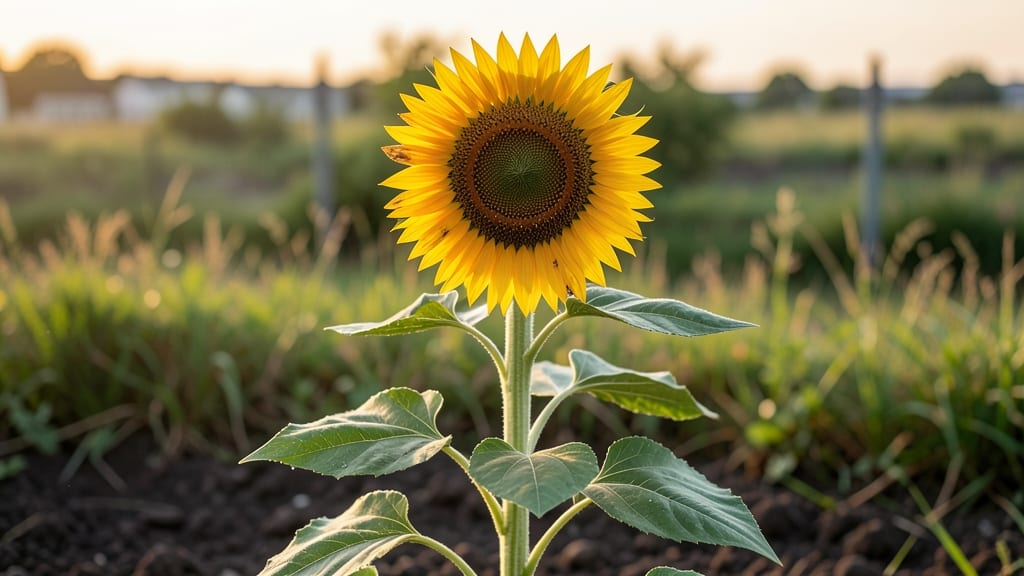
The Mongolian giant sunflower height can reach staggering proportions—often towering 10 to 15 feet—making it a breathtaking focal point in any garden.
If you're dreaming of a towering sunflower that turns heads in your garden, the Mongolian Giant sunflower could be your perfect match—these giants aren’t just beautiful, they’re massive, often reaching heights that dwarf other varieties.
Unlike smaller sunflowers, this variety thrives in full sun and well-drained soil, with its rapid growth making it a favorite for gardeners in zones like 6a and beyond.
Below, I’ll cover how to maximize its height, when to expect full bloom, and the best ways to support these sunflower giants as they grow.

How tall do Mongolian Giant sunflowers grow? Real height expectations & record-breaking specimens
If you've ever wondered how tall sunflowers can really grow, the Mongolian Giant variety will blow your mind—literally. These sunflowers aren't just tall; they're architectural marvels that can stretch from the ground to the second story of your home or even higher.
On average, they reach 10 to 18 feet tall, with some exceptional specimens surpassing that range entirely. Their towering presence makes them a stunning focal point in any garden, but their height also means careful planning is key to supporting their growth.
What sets the Mongolian Giant apart from other sunflowers is its rapid vertical growth and thick, sturdy stems. Unlike smaller varieties that max out at 4-5 feet, these giants grow 3-4 feet per year under ideal conditions.
Their massive size isn’t just for show—it also means they require stronger stems, more nutrients, and strategic support to avoid flopping over in wind or storms. If you're planning to grow them, understanding their height potential—and how to maximize it—will help you create a garden that’s both breathtaking and well-supported.
🌻
The average height of a Mongolian Giant sunflower typically falls between 10 and 12 feet, but this can vary widely based on soil quality, sunlight exposure, and genetic factors.
For instance, plants grown in well-draining, nutrient-rich soil with full sun exposure (6+ hours daily) tend to grow taller and stronger. In contrast, those planted in compacted or poor soil may struggle to reach their full potential, often maxing out at 8-10 feet.
If you're aiming for the tallest possible specimens, focus on amending your soil with compost and ensuring they receive uninterrupted sunlight throughout the day.
Genetics also play a huge role in height. Some seeds are bred specifically for maximum height, while others may be slightly shorter due to hybrid vigor or regional adaptations.
If you're sourcing seeds from a reputable supplier, you’ll likely get plants that lean toward the 12-15 foot range. However, if you're growing from heirloom or less-vigorous seeds, you might see more variability in height.
Always check the seed packet for specific height expectations, as some batches may be labeled as "extra tall" or "giant" but still fall short of the 18-foot record holders.
🌿
One of the most exciting aspects of growing Mongolian Giant sunflowers is the chance to witness record-breaking specimens. While the official world record for the tallest sunflower stands at over 25 feet (set by a different variety), Mongolian Giants have been documented reaching 15-18 feet in ideal conditions.
In gardening forums and competitions, enthusiasts often share photos of their 14-16 foot giants, proving that with the right care, these sunflowers can truly dominate your garden.
For example, a 2022 gardening competition in California featured a Mongolian Giant that towered at 17 feet and 6 inches, earning its grower a top prize. To achieve similar results, many gardeners use trellises or multiple stakes to provide extra support and encourage vertical growth.
If you're new to growing sunflowers of this magnitude, don’t be intimidated by their height. The key to success lies in proper spacing, staking, and soil preparation.
Plant seeds at least 2 feet apart to give roots room to spread, and install stakes or cages early in the season to prevent flopping. A 5-foot bamboo stake driven deep into the soil can make a world of difference in supporting a 12-foot giant.
Additionally, mulching around the base helps retain moisture and nutrients, which are critical for sustaining rapid growth. With these strategies, you’ll be well on your way to growing a sunflower that’s not just tall, but healthy and resilient.
🪴
Regional climate also impacts height. In warmer, sunnier climates like the Southwestern U.S. or Mediterranean regions, Mongolian Giants often grow taller due to longer growing seasons and intense sunlight.
In contrast, cooler northern climates may see slightly shorter plants unless you extend the growing season with row covers or greenhouses. If you're in a shorter-season zone, consider planting seeds indoors 4-6 weeks before the last frost to give them a head start.
This early growth boost can make a significant difference in their final height, allowing them to reach their full 10-15 foot potential even in less-than-ideal conditions.
Finally, don’t forget that height isn’t the only factor in growing a stunning Mongolian Giant. Their massive flower heads—often 12 inches wide or larger—are just as
When do Mongolian Giant sunflowers bloom? Timeline from seed to full flowering height
The Mongolian Giant sunflower follows a predictable growth timeline from seed to its stunning 12-15 foot height, with blooming typically occurring 90-120 days after planting. Understanding this timeline helps gardeners in USDA zones 6a-10 plan their planting schedule for optimal results.
From seed germination to full bloom, these sunflowers grow rapidly when given the right conditions—full sun exposure, well-draining soil, and consistent moisture. Let’s break down the key stages of growth and what to expect at each phase.
- Week 1-2: Seed Germination (🌱) – Plant seeds 1 inch deep in warm soil (60°F+). Sprouts emerge in 7-14 days.
- Week 3-4: Seedling Stage (🌿) – Young plants reach 4-6 inches. Thin seedlings to 18-24 inches apart for optimal growth.
- Week 5-8: Rapid Growth (🌱) – Stems elongate quickly, reaching 3-5 feet tall. Provide stakes or cages early to prevent toppling.
- Week 9-12: Bud Formation (🌼) – Flower buds form at the top. Increase watering to support rapid growth.
- Week 13-16: Full Bloom (🌻) – Sunflowers reach 10-15 feet and open wide, ready for pollination.
In cooler climates (zones 6a-8), planting seeds in late April to early May ensures blooms by mid-to-late summer. For warmer zones (9-10), you can plant as early as March and expect blooms by June or July.
To accelerate growth and encourage earlier flowering, I recommend using black plastic mulch to warm the soil and providing balanced fertilizer (5-10-10) every 4-6 weeks. This helps the sunflowers reach their maximum height potential faster.
Once the sunflowers begin to bloom, they’ll attract pollinators like bees and butterflies, adding another layer of beauty to your garden. The blooming period lasts about 2-3 weeks, after which the seed heads mature for harvest.
If you’re in a shorter growing season, consider starting seeds indoors 4-6 weeks before the last frost date. This gives them a head start and increases the chances of reaching their full 12-15 foot height before frost.