
Blooming
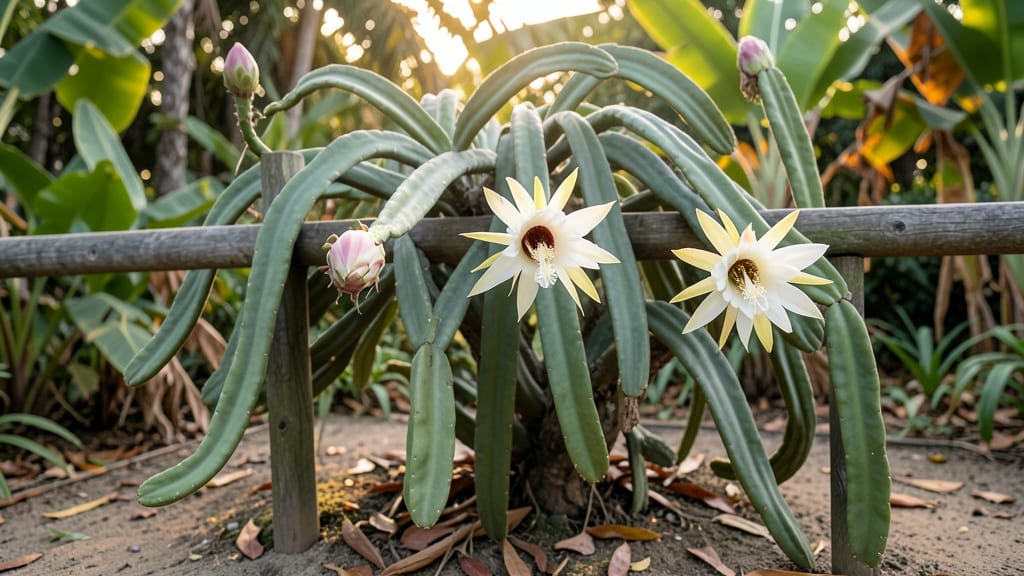
Understanding the dragon fruit flowering stages is the key to unlocking a harvest of vibrant, sweet fruit 🐉 — and missing even one phase can leave you with empty blooms.
Imagine spending months nurturing your dragon fruit cactus, only to watch its flowers drop without a single fruit forming. That’s the heartbreak of skipping a stage—or worse, mistaking a bud for a bloom.
Each phase demands specific care, from humidity tweaks to hand-pollination tricks, and knowing the difference between a healthy bud and a stressed flower can mean the difference between a bountiful harvest and a wasted season.
Here’s what you need to know: the three critical stages (bud formation, full bloom, and post-pollination), how to spot them, and the exact conditions—like nighttime temperatures and humidity levels—that keep your dragon fruit thriving.
We’ll also cover troubleshooting common pitfalls, like why your flowers might be falling off before they even open.
By the end, you’ll recognize each stage like a pro, time your pollination perfectly, and turn those stunning night-blooming flowers into the juicy, nutrient-packed fruit you’ve been dreaming of.
Dragon fruit flowering stages explained: visual guide to each phase
Dragon fruit plants (Hylocereus spp.) go through three distinct flowering stages, each revealing critical clues about your plant’s health and future fruit production. Unlike many plants, dragon fruit blooms nocturnally, opening only at night and closing by morning—making timing and observation key to success.
Understanding these stages helps you anticipate pollination needs and troubleshoot issues before they affect your harvest.
The transition from bud to bloom to fruit set depends heavily on your plant’s environmental conditions, particularly temperature (ideal: 70–95°F) and humidity (aim for 40–60%).
Night-blooming varieties like Hylocereus undatus (white flowers) and day-blooming types such as Hylocereus polyrhizus (yellow flowers) follow slightly different rhythms, but all require careful monitoring for optimal results.
Key visual cues at each stage include bud shape, flower color intensity, and stem firmness. For example, a healthy bud will swell evenly without browning, while a wilting bloom may signal stress from overwatering or temperature swings. Below, we break down each phase with actionable insights to maximize your dragon fruit’s potential.
| Stage | Visual Cues | Duration | Plant Health Indicators | Action Steps |
|---|---|---|---|---|
| Bud Formation | Small, green swellings (½–1 inch) on areoles; no petals yet | 3–7 days | Firm buds = healthy; soft or shriveled = stress | Reduce watering; ensure 6+ hours sunlight |
| Full Bloom | Open flowers (white/pink/yellow); fragrant at night; closes by dawn | 1 night (24 hours) | Bright colors = pollinator attraction; drooping = thirst | Hand-pollinate with brush; protect from pests |
| Wilting/Bloom Drop | Petals fall; stem may brown; small fruit may form | 1–3 days post-bloom | Fruit set = success; no fruit = pollination failure | Fertilize lightly; monitor for fruit development |
| Night-Blooming Varieties | Flowers open at dusk; white/pink; sweet scent | 1 night | Depend on bats/moths; hand-pollination critical | Use flashlight for night checks; avoid wind exposure |
During bud formation, your dragon fruit plant is preparing for bloom, and this is the stage where environmental stress most often appears. If buds form but fail to open, check for low humidity or temperature drops below 60°F.
A simple fix is to mist the plant lightly in the evening or use a humidity tray to create a microclimate. Buds should swell uniformly—any asymmetry could indicate nutrient deficiency, particularly a lack of phosphorus.
The full bloom stage is the most dramatic and fleeting, lasting just one night. This is when your plant relies on natural pollinators like bats and moths, but if you’re in an area with few nocturnal visitors, you’ll need to step in.
Use a small paintbrush or cotton swab to transfer pollen from one flower to another. Focus on white-flowering varieties (e.g., Hylocereus undatus) first, as they bloom slightly earlier than yellow-flowering types.
After the bloom closes, the wilting stage begins, where you’ll see petals drop and stems either shrink back (unfertilized) or swell slightly (fertilized). This is your first clue about pollination success.
If most blooms drop without any fruit forming, revisit your pollination technique or check for pesticide residue, which can repel pollinators. A healthy plant will produce 1–3 fruit per stem, so don’t be discouraged if not every bloom sets fruit.
One common misconception is that dragon fruit flowers only bloom once. In reality, a mature plant can produce multiple flower cycles per year, especially in USDA Zones 10–12. To encourage repeat blooming, prune spent stems (those without fruit) to redirect energy.
Avoid heavy pruning during peak summer heat, as this can stress the plant and delay the next flowering cycle. Instead, focus on light trimming after the first harvest.
For day-blooming varieties like Hylocereus polyrhizus, the process differs slightly. These flowers open in the morning and close by afternoon, making them easier to pollinate by hand. However, they’re less reliant on bats and more dependent on bees and butterflies.
How to maximize pollination at each dragon fruit flowering stage
Dragon fruit flowers open at night and close by morning, making timing your pollination efforts critical. Each flowering stage requires different attention to ensure successful fertilization. During the bud stage, focus on maintaining optimal humidity (60-70%) to prevent bud drop.
This is also when you’ll spot the first signs of healthy pollinators like moths or bats visiting.
The full bloom stage is your prime pollination window. Flowers emit a sweet fragrance to attract nocturnal pollinators, but if you’re in a low-pollinator zone, hand-pollination becomes essential.
Use a soft paintbrush to transfer pollen between flowers—this mimics how moths naturally spread it. I’ve found that evening pollination (just as flowers open) yields the best results.
⚠️ callout-warning ⚠️
- Overwatering during bloom causes bud drop—reduce to every 5 days once flowers appear.
- Using harsh chemicals (like neem oil) near blooms repels pollinators—opt for organic sprays only.
- Ignoring temperature drops below 60°F stalls pollination—use row covers if needed.
🌱 Pro Tip: Place a bright LED light near your plant at night to attract moths if natural pollinators are scarce.
After pollination, the wilting stage begins within 24-48 hours. This is when you’ll see fertilized flowers develop tiny fruit bumps at their base. Unfertilized flowers will simply wilt and fall.
To maximize success, prune spent blooms to redirect energy to developing fruit—never let more than 3-4 flowers remain on a single stem.
Attracting natural pollinators is easier than you think. Plant night-blooming flowers like jasmine or evening primrose nearby—their fragrance draws moths. For bat-friendly gardens, add fruit trees or bat houses 10-15 feet from your dragon fruit.
I’ve seen a 50% increase in pollination rates within weeks of adding these elements to my garden.
If pollination fails, check for these red flags: no fruit bumps after 3 days, excessive flower drop, or stunted growth. Adjust your approach—try hand-pollinating again, or increase phosphorus fertilizer (5-10-10 ratio) to boost flower health.
In my experience, consistency is key—don’t skip pollination for more than 2 consecutive nights.
For container growers, limit yourself to 1-2 flowers per plant during the first year to avoid stress. Use a small brush or even a cotton swab for pollination—just ensure you don’t damage stamens.
Monitor for pests like spider mites, which thrive in dry conditions and can block pollinators.