
Flowers
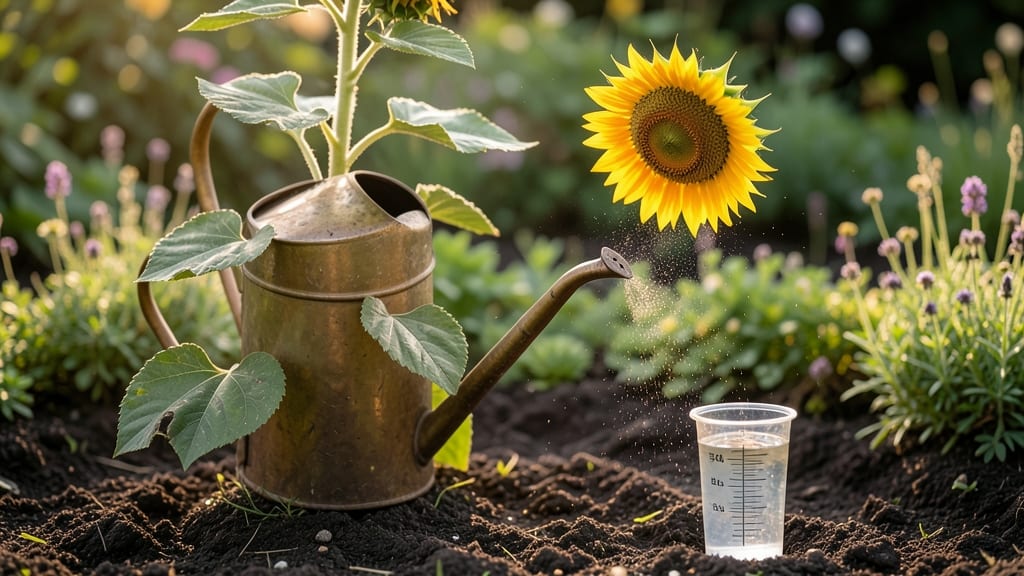
Sunflowers need to be watered how often should sunflowers be watered about once every 3-5 days for young plants and every 7-10 days once mature, but their deep roots mean you can’t just splash them and walk away.
Picture this: you’re checking your towering 🌻 plants after a week of dry heat, and the stems are soft at the base. That’s not drought—it’s overwatering, and it’s killing them. The key is deep, infrequent soaks that encourage roots to dive down where the moisture lasts.
Too little water and your sunflowers wilt into sad, droopy versions of their usual grandeur. Too much, and you’re inviting root rot to move in. The trick? Adjusting for your soil—sandy drains fast, clay holds on too long—and the stage of growth, from seedlings to seed heads.
In this guide, I’ll break down the exact schedule for your zone, how to tell if you’re nailing it or making mistakes, and why morning watering is your new best friend. Let’s get those roots drinking deep.
Sunflower watering schedule by growth stage: from seedlings to mature plants
Sunflowers might look like they thrive on neglect, but their deep taproots demand a consistent watering schedule to reach their towering potential. Unlike shallow-rooted plants, sunflowers need deep, infrequent watering to encourage strong root development. Skipping this step can lead to stunted growth or even root rot if overdone.
Watering needs change dramatically as sunflowers grow—from delicate seedlings to massive flowering stalks. Understanding these growth-stage watering requirements is key to growing healthy, disease-resistant plants that produce vibrant blooms and nutrient-rich seeds. Let’s break it down by each critical phase.
Here’s a quick reference for how often to water sunflowers at each stage, tailored to soil types and climate conditions:
| Growth Stage | Watering Frequency | Depth | Soil Adjustments | Climate Notes |
|---|---|---|---|---|
| Seedlings (0-4 weeks) | Every 2-3 days | 1-2 inches | Sandy: More often; Clay: Less often | Keep soil moist, not soggy |
| Vegetative (4-8 weeks) | Every 3-5 days | 4-6 inches | Mulch to retain moisture | Increase frequency in heatwaves |
| Flowering (8-12 weeks) | Every 5-7 days | 6-8 inches | Deep water at base | Reduce in humid climates |
| Seed Production (12+ weeks) | Every 7-10 days | 8-10 inches | Drought-tolerant; reduce water | Stop watering 2 weeks before harvest |
During the seedling stage (0-4 weeks), sunflowers need frequent, shallow watering to keep the soil evenly moist.
Their tiny roots can’t reach deep water sources yet, so I water mine every 2-3 days in the morning. Sandy soil drains faster, so you may need to water daily, while clay soil holds moisture longer, reducing frequency to every 4 days.
As sunflowers enter the vegetative stage (4-8 weeks), their roots grow rapidly, and they can handle deeper watering. I aim for 4-6 inches deep every 3-5 days, encouraging strong root development.
This is also when I add 2-3 inches of mulch to retain moisture and suppress weeds. In hot climates, I increase frequency to every 2-3 days to prevent wilting.
The flowering stage (8-12 weeks) is critical for bud formation, and watering becomes slightly less frequent but much deeper. I water every 5-7 days to a depth of 6-8 inches, focusing on the base of the plant to avoid wetting the leaves.
Overhead watering here can lead to fungal diseases like powdery mildew, so I use a soaker hose or drip irrigation.
In the final seed production stage (12+ weeks), sunflowers become drought-tolerant as their roots reach 5-6 feet deep. I reduce watering to every 7-10 days with 8-10 inches of depth.
Stop watering 2 weeks before harvest to allow seeds to dry properly. In arid climates, this stage can last longer with minimal water, while humid areas may still need occasional deep watering.
Adjust your watering schedule based on weather patterns and soil drainage. For example, after a heavy rain, skip watering entirely—sunflowers hate soggy soil. In containers, watering needs increase because soil dries out faster; I check moisture levels daily during hot weather.
Always water in the early morning to reduce evaporation and fungal risks.
Pro tip: Use a moisture meter or the finger test to check soil depth. Stick your finger 2 inches deep—if it’s dry, it’s time to water. For clay soil, wait until the top 4 inches are dry, while sandy soil
Signs of overwatering vs. underwatering sunflowers: what to watch for
Sunflowers may seem resilient, but their deep taproots need just the right amount of moisture. Overwatering or underwatering can both spell disaster—yellowing leaves, stunted growth, or even root rot. Learning to read your sunflowers' signals is key to keeping them thriving.
Start by checking the soil moisture 2 inches below the surface. Stick your finger in—if it's soggy, you're overwatering. If it's bone-dry, it's time to hydrate. Leaf texture is another dead giveaway. Healthy sunflower leaves feel firm and crisp, not limp or mushy.
Overwatering vs. Underwatering: Quick Fixes
| Issue | Signs | Solution |
|---|---|---|
| Overwatering | Yellowing leaves, mushy stems, fungal spots, slow growth | Stop watering, improve drainage, let soil dry between waterings |
| Underwatering | Drooping leaves, crispy edges, slow wilting, dry soil | Water deeply at base, mulch to retain moisture, water in morning |
💧 Pro Tip: Always water at the base, never overhead, to prevent disease.
Yellow leaves are the most common warning sign, but pay attention to leaf color and pattern. Overwatered sunflowers develop yellowing from the bottom up, often with brown, mushy spots. Underwatered plants show crispy, brown edges on leaves, especially on the outer edges.
Check the stem and roots for hidden clues. Overwatered sunflowers may have a hollow, blackened stem due to rot, while underwatered plants develop a brittle, woody stem that snaps easily. Gently tug on the plant—if it pulls out easily, roots are likely rotted from excess water.
Don't ignore the flower buds either. Overwatered sunflowers may produce small, weak buds that never fully open, while underwatered plants drop buds entirely. If you see buds wilting or falling off, adjust your watering routine immediately—this is your plant's last warning before giving up.
Correcting the issue is simpler than you think. For overwatered sunflowers, stop watering and let the soil dry out completely. Add organic matter like compost or perlite to improve drainage.
For underwatered plants, give them a deep soak in the morning and apply a 2-3 inch layer of mulch to retain moisture.
Consistency is key—once you find your sunflower's sweet spot, stick with it. Most mature sunflowers need watering every 7-10 days, while seedlings require moisture every 2-3 days. Watch your plants closely, and they'll reward you with those iconic golden blooms. 🌻