
Flowers
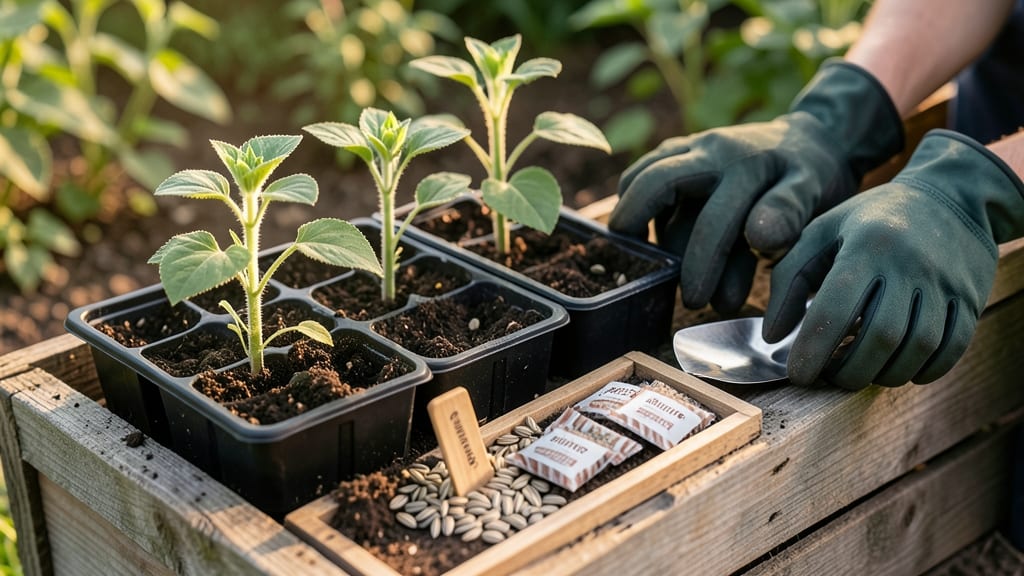
Planting sunflowers in Massachusetts after the last frost date — typically mid-April — ensures your 🌻 seeds sprout when soil warms to at least 55°F, giving them the head start they need.
Massachusetts gardeners know timing is everything — plant sunflowers too early, and frost will kill them; too late, and you’ll miss the towering blooms that attract pollinators and brighten summer skies.
In USDA Zone 6A, where many of us garden, the average last frost arrives around mid-April, but unpredictable late frosts can still sneak in. Waiting until early May gives you a safer window, especially in cooler microclimates like the Berkshires or Worcester County.
Below, I break down the exact planting timeline for your zone, soil prep tips to boost germination, and how to stretch your season for late-summer blooms — no guesswork, just proven results for Massachusetts gardens.
Massachusetts sunflower planting dates by USDA Zone 6A vs 7A
Getting your sunflower seeds in the ground at the right time is critical in Massachusetts, where last frost dates can shift by weeks between Zone 6A and Zone 7A.
In colder Zone 6A (average last frost: May 15), you’ll have a narrower window, while Zone 7A (average last frost: April 25) gives you an earlier start. Both zones share one key rule: soil must reach 55°F before planting.
Direct sowing is the easiest method for sunflowers, but if you’re using starter plants, transplant them after your last frost—never before, as even hardy varieties like 'Autumn Beauty' won’t survive chilly soil.
For Zone 6A, aim for late May planting; in Zone 7A, you can start as early as mid-April for early blooms.
Here’s your side-by-side planting schedule for both zones, including soil temperature thresholds and ideal transplanting times:
For Zone 6A gardeners, don’t rush to plant—waiting until late May ensures your sunflowers avoid late frosts. In Zone 7A, you can start as early as mid-April if your soil warms quickly, but always check a local frost forecast (like the MA Extension Service) for updates.
Even a light frost can damage young seedlings.
If you’re growing tall varieties like 'Russian Giant' (up to 14 feet!), give them extra time to establish roots before summer heat arrives. Plant these in early May in Zone 6A and late April in Zone 7A for the best results.
Dwarf varieties like 'Teddy Bear' are more flexible and can handle later plantings.
Pro tip: Succession plant every 2 weeks in Zone 7A to enjoy blooms all summer. In Zone 6A, stick to one planting in late May to avoid frost risks. For both zones, mulch around plants after germination to retain moisture and regulate soil temperature.
Sunflowers are drought-tolerant once established, but young plants need consistent moisture. Water deeply 2-3 times per week until they reach 12 inches tall, then taper to once weekly. Avoid overhead watering to prevent powdery mildew, a common issue in Massachusetts’ humid summers.
For fall planting, try late-blooming varieties like 'Moulin Rouge' in Zone 7A—these can handle cooler temps and may even survive light frosts. In Zone 6A, limit fall plantings to early August to allow enough time for maturity before the first frost. Always choose open-pollinated seeds for the best results.
Remember: Sunflowers love space—give them 12-24 inches apart depending on variety. In small gardens, consider container growing with large pots (at least 12 inches deep) for dwarf varieties. Happy planting! 🌻
How to extend your sunflower season in Massachusetts gardens
Massachusetts’ short growing season doesn’t have to limit your sunflower displays. With the right strategies, you can enjoy bright blooms from early summer through frost. The key is combining cool-tolerant varieties with protective techniques like row covers and succession planting.
These methods let you push your sunflower season 2-3 months earlier or later than standard planting windows.
For spring extensions, focus on cold frames and early succession plantings. In Zone 7A, you can start seeds under row covers in late March—weeks before your official last frost date.
This gives seedlings a head start while protecting them from late frosts. In Zone 6A, aim for mid-April starts under covers to avoid frost damage entirely.
Here’s how to maximize your sunflower season in Massachusetts:
- 1 Use cold frames for 4-6 week early starts. Place frames in south-facing locations to capture maximum warmth. Remove covers when soil reaches 55°F and seedlings are 3 inches tall.
- 2 Plant cold-hardy varieties like 'Autumn Beauty' (Zone 3-9) or 'Moulin Rouge' (Zone 4-9). These thrive in 50°F soil and can handle light frosts once established.
- 3 Succession plant every 2 weeks in Zone 7A from May through July. In Zone 6A, stick to 3-week intervals starting in late May for continuous blooms.
- 4 Extend fall season with row covers over late plantings. Try 'Autumn Beauty' sown in early August—it may bloom before frost in Zone 7A.
- 5 Use black plastic mulch to warm soil 5-10°F faster than bare ground. This lets you plant 1-2 weeks earlier in spring or 2 weeks later in fall.
For late-season sunflowers, focus on succession planting and protective covers. In Zone 7A, you can get blooms as late as mid-October by starting seeds in early August. Use floating row covers to shield plants from early frosts while allowing sunlight and water through.
Remove covers during the day when temperatures rise above 50°F to prevent overheating.
Remember to choose the right varieties for your goals. Dwarf varieties like 'Teddy Bear' (2-3 feet) work well for containers and early/late plantings, while 'Russian Giant' needs the full growing season. For maximum fall color, plant 'Moulin Rouge'—its deep red blooms add dramatic contrast to autumn gardens.
With these techniques, you can enjoy sunflowers from June through October in Massachusetts. The secret is starting early, protecting young plants, and choosing the right varieties for your microclimate. Happy extending! 🌻