
Flowers
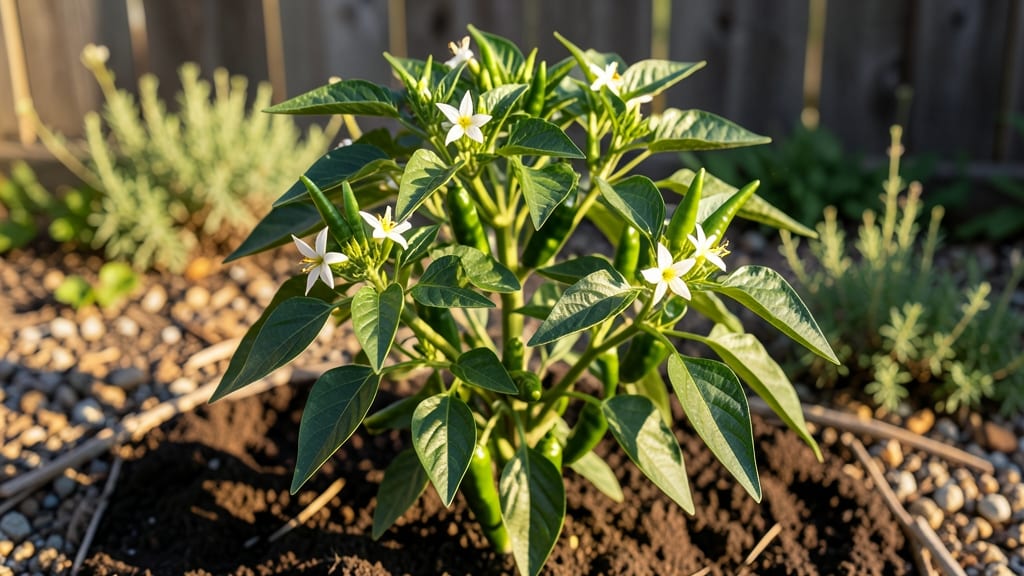
Growing a cayenne pepper flower 🌶️ is your first step toward a fiery harvest, and getting it right means understanding the delicate balance between light, nutrients, and patience.
Did you know that the vibrant cayenne pepper flower is the first sign of a spicy harvest—and growing them successfully starts with understanding their unique needs? From soil prep to pollination tricks, these fiery blooms hold the secret to a bountiful crop.
If you’ve ever watched your cayenne pepper plants put out flowers only to see them drop before fruiting, you’re not alone. The key lies in creating the perfect conditions—6-8 hours of sunlight, well-draining soil, and the right balance of nitrogen and phosphorus.
Without these, those beautiful white or purple blooms won’t turn into the peppers you’re craving.
In this guide, I’ll walk you through everything from identifying healthy flowers to maximizing your yield, so you can go from blooms to bold harvests like a pro.
How to identify and grow cayenne pepper flowers from seed
Growing cayenne pepper flowers from seed is a rewarding journey that begins with understanding their unique needs. These vibrant blooms, often white or purple, are the first step toward a spicy harvest.
The key to success lies in creating the right conditions from the moment you plant those tiny seeds until the flowers appear and transform into peppers.
Many gardeners struggle with seed germination or flower development, but with the right techniques, you can ensure your cayenne plants thrive.
Whether you're a beginner or a seasoned gardener, mastering these steps will help you avoid common pitfalls like poor soil quality or inadequate sunlight, both of which can prevent flowering.
Here’s a simple, step-by-step guide to help you grow cayenne pepper flowers from seed and set the stage for a bountiful harvest.
Step-by-Step Guide to Growing Cayenne Pepper Flowers
-
Step 1: Start Seeds Indoors
Plant seeds 6-8 weeks before the last frost in seed-starting trays with well-draining soil. Keep soil warm (70-80°F) using a heat mat. -
Step 2: Provide Warmth and Light
Seeds need bright light (12-16 hours/day) to prevent leggy seedlings. Use grow lights if natural light is insufficient. -
Step 3: Transplant Seedlings
Move seedlings outdoors after last frost when soil is at least 60°F. Harden off for 7-10 days by gradually exposing them to outdoor conditions. -
Step 4: Choose the Right Location
Plant in full sun (6+ hours/day) with well-draining soil. Cayenne peppers thrive in sandy loam with a pH of 6.0-7.0. -
Step 5: Fertilize for Flowering
Use a balanced fertilizer (10-10-10) when flowers appear. Avoid high-nitrogen fertilizers, which promote foliage over blooms. -
Step 6: Water Consistently
Keep soil evenly moist but avoid overwatering, which can cause root rot. Water at the base of plants in the morning. -
Step 7: Support Pollination
Hand-pollinate flowers by gently shaking plants or using a small brush to transfer pollen. This ensures fruit set, especially in low-wind conditions. -
Step 8: Monitor for Pests
Watch for aphids or spider mites, which can stress plants. Use neem oil or insecticidal soap if needed.
One of the biggest mistakes gardeners make is overcrowding seedlings during the early stages. Cayenne peppers need space to grow (18-24 inches apart), so thin seedlings early to avoid competition for nutrients and sunlight. This ensures stronger plants that produce more flowers and peppers.
Another common issue is inconsistent watering, which can cause flowers to drop before they have a chance to develop into peppers.
Stick to a consistent watering schedule and always water at the base of the plant to keep the foliage dry, reducing the risk of fungal diseases like powdery mildew.
Once your cayenne plants start flowering, you’ll notice small white or purple blooms appearing at the leaf nodes. These flowers typically bloom in the late morning and last for about a day. To maximize your harvest, focus on hand-pollination techniques if your garden lacks natural pollinators like bees.
If you’re growing cayenne peppers in containers, choose pots that are at least 12 inches deep to accommodate their root systems. Container-grown plants may require more frequent watering, so monitor soil moisture closely.
Mulching around the base of the plant can help retain moisture and regulate soil temperature, which is especially important for flowering.
Finally, don’t forget to prune your plants occasionally to encourage bushier growth and more flowering sites. Remove any yellow or diseased leaves promptly to keep the plant healthy and focused on producing those fiery blooms.
With these steps, you’ll be well on your way to growing vibrant cayenne pepper flowers that lead to a spicy, abundant harvest. Happy gardening! 🌱🌶️
5 Key factors that determine cayenne pepper flower health
Healthy cayenne pepper flowers are the foundation of a productive harvest, and understanding their needs can transform your garden from sparse blooms to a bounty of fiery peppers.
These delicate white or purple flowers require precise care to thrive, and even small missteps—like inconsistent watering or poor pollination—can cause them to drop before fruiting.
The secret to vibrant blooms lies in five critical factors: proper pollination, balanced nutrients, consistent watering, pest control, and early stress detection. Each plays a vital role in ensuring your cayenne plants transition from flowers to peppers efficiently. Let’s break down what each factor means for your garden.
- Pollination: Hand-pollinate flowers with a soft brush or gently shake plants to boost fruit set. Cayenne flowers rely on bees, but indoor or low-bee gardens need extra help.
- Nutrient Balance: Use a 10-10-10 NPK fertilizer during flowering to support blooms. Too much nitrogen delays fruiting, while phosphorus and potassium encourage flower development.
- Watering Schedule: Water deeply every 3-5 days in the morning to prevent stress. Overwatering causes root rot, while underwatering leads to flower drop.
- Pest Control: Monitor for aphids and spider mites, which sap flower energy. Use neem oil or insecticidal soap to protect blooms.
- Early Stress Signs: Watch for yellowing leaves or wilting—these indicate nutrient deficiencies or overwatering. Address issues immediately to save flowers.
First, let’s tackle pollination, the often-overlooked step that turns flowers into peppers. Cayenne flowers are self-pollinating, but they still benefit from a little help, especially in containers or areas with low bee activity.
On a calm morning, gently shake your plants or use a small paintbrush to transfer pollen from one flower to another. This mimics natural pollination and ensures every bloom has a chance to develop into a pepper.
Next, focus on nutrient balance, particularly the N-P-K ratio. During the flowering stage, switch to a fertilizer with equal parts nitrogen, phosphorus, and potassium, like a 10-10-10 blend. Too much nitrogen promotes leafy growth at the expense of flowers, while phosphorus and potassium help roots and blooms thrive.
Apply fertilizer every 4-6 weeks, but reduce amounts as peppers begin to form to avoid overstimulating the plant.
Consistent watering schedules are another game-changer for cayenne flower health. These plants prefer deep, infrequent watering—about 1-2 inches per week—to encourage strong root development. Water in the morning to allow foliage to dry quickly, reducing the risk of fungal diseases like powdery mildew, which can devastate flowers.
Avoid wetting the leaves, and always check soil moisture before watering.
Pests can silently sabotage your blooms, so keep an eye out for aphids and spider mites, which thrive on tender flower buds. These tiny intruders suck sap from flowers, causing them to wilt or drop prematurely.
If you spot them, treat your plants with neem oil or insecticidal soap, applied in the early evening when bees are less active. Prevention is key—healthy plants with balanced nutrients are less attractive to pests.
Finally, learn to spot early signs of stress before they become critical. Drooping flowers, yellowing leaves, or stunted growth are red flags that your cayenne plants need attention. Stress can stem from overwatering, underwatering, or nutrient deficiencies, all of which disrupt flowering.
Act quickly by adjusting your care routine—whether that means cutting back on water, adding fertilizer, or moving plants to a sunnier spot.