
Flowers
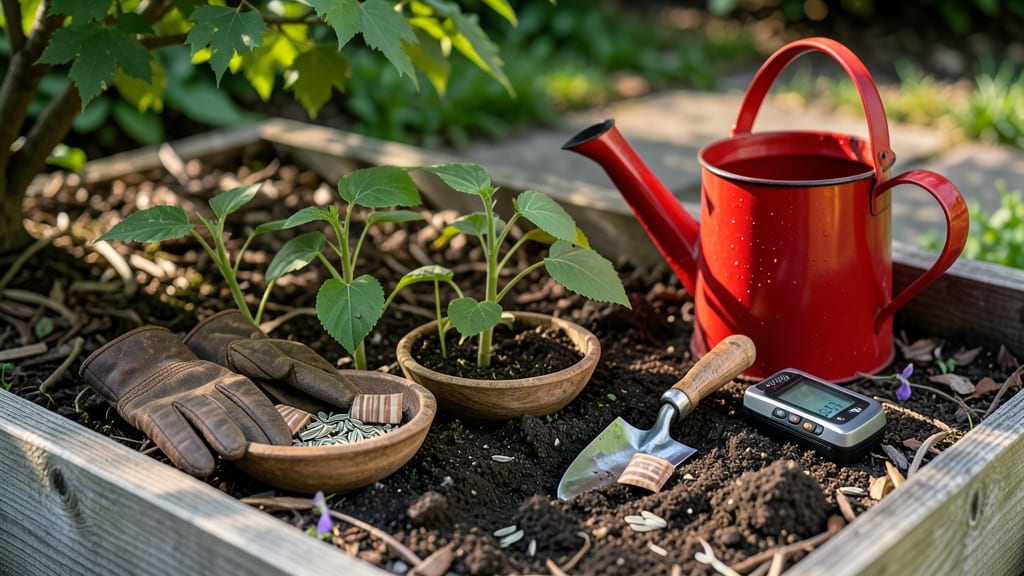
Planting sunflowers in Connecticut after your last spring frost — around mid-April — is the key to avoiding frost damage and ensuring those towering 🌻 blooms you dream of.
Picture this: you’ve prepped the soil, marked your rows, and even picked out your favorite variety — only to watch your seedlings turn to mush overnight. That’s what happens when you plant too early, and it’s a mistake I’ve made more times than I’d like to admit.
Connecticut’s Zone 6a climate means you’ve got a short window to get seeds in the ground before the heat of summer arrives. The good news? With the right timing, you can enjoy sunflowers from late July straight through October.
In this guide, I’ll break down the exact planting windows by region, the best sunflower varieties for CT’s unpredictable weather, and pro tips to stretch your growing season — so you can finally grow those sunflowers that make your neighbors green with envy.
Connecticut’s frost-free deadlines: exact planting windows by region
Connecticut’s last spring frost dates vary dramatically across regions, and sunflowers (Helianthus annuus) need those frost-free windows to germinate and grow. In Hartford, the average last frost hits April 20, while New Haven typically sees its final freeze April 15.
Coastal areas like Stamford often warm up 3-5 days earlier than inland zones, giving gardeners a critical 1-2 week head start.
For sunflower seeds to sprout, soil must reach at least 50°F—a threshold usually met 2-3 weeks after the last frost in most of CT. Rural areas in USDA Zone 6a (like Litchfield Hills) may face late-May frosts, delaying planting until mid-May.
Timing is everything: plant too early, and frost will kill tender seedlings; too late, and your 100-day varieties won’t mature before fall.
Here’s how to align your sunflower planting schedule with Connecticut’s microclimates—including soil temperature cues and regional adjustments.
If you’re in Hartford or New Haven, aim to plant sunflower seeds 2-3 weeks after your average last frost—typically mid-to-late May.
For Stamford’s coastal advantage, you can start as early as late April, but always verify soil warmth with a soil thermometer (or press your hand into the soil; if it’s warm to the touch, it’s ready).
Rural areas like Litchfield Hills face the highest frost risk, so opt for early-maturing varieties (e.g., 'Teddy Bear' at 50 days) or use black plastic mulch to warm soil faster. Pro tip: Plant fast-growing radishes in the same bed 2 weeks before sunflowers—their quick harvest will mark soil readiness.
For late-season sunflowers, you can push planting to early July in most of CT, but choose short-day varieties (like 'ProCut') to ensure blooms before the first frost in October. Just remember: sunflowers need 6-8 hours of sun daily
Best sunflower varieties for CT’s climate: fast-growing vs. cold-tolerant options
Connecticut’s short growing season and unpredictable spring weather demand sunflower varieties that balance speed with cold tolerance. I’ve grown everything from dwarf 'Teddy Bear' to towering 'Russian Giant' varieties, and these are the ones that consistently deliver in CT’s Zone 6a climate.
Fast-growing varieties like 'Autumn Beauty' mature in just 50-60 days, while cold-tolerant hybrids like 'Moulin Rouge' handle early spring plantings better. The key is matching your variety to your planting window—whether you’re sowing in late April or early June.
🌱 Planting depth and spacing also vary wildly: dwarf varieties need only 6 inches between plants, while giants require 24+ inches. Get it wrong, and you’ll end up with crowded, leggy stems instead of those showstopper blooms you’re after.
| Variety | Type | Days to Mature | Height | Spacing | Best For |
|---|---|---|---|---|---|
| 'Teddy Bear' | Dwarf | 50-55 | 2-4 ft | 6 in apart | Containers, borders |
| 'Autumn Beauty' | Standard | 50-60 | 5-7 ft | 12 in apart | Cut flowers, early harvest |
| 'Russian Giant' | Tall | 80-120 | 10-14 ft | 24 in apart | Late-season giants |
| 'Moulin Rouge' | Cold-Hardy | 60-70 | 6-8 ft | 18 in apart | Early planting |
| 'Sunspot' | Dwarf | 50-55 | 2-3 ft | 6 in apart | Shade tolerance |
For fastest blooms, I recommend starting with 'Autumn Beauty'—it’s my go-to for late July harvests when planted in early May. But if you’re planting in late April, opt for 'Moulin Rouge', which handles cooler soils better and still delivers by mid-summer.
Pro tip: Stagger your plantings by 2 weeks for continuous blooms. Plant 'Teddy Bear' in containers on your patio for early summer color, then follow with 'Russian Giant' in the garden for fall drama. Just remember—giant varieties need deep, well-draining soil to support their towering stems.
My biggest mistake? Crowding 'Russian Giant' plants too close together. They need plenty of space to avoid stem rot and floppy heads. Now I mark my rows with stakes and measure twice before planting—trust me, it’s worth the extra 5 minutes.