
Plants
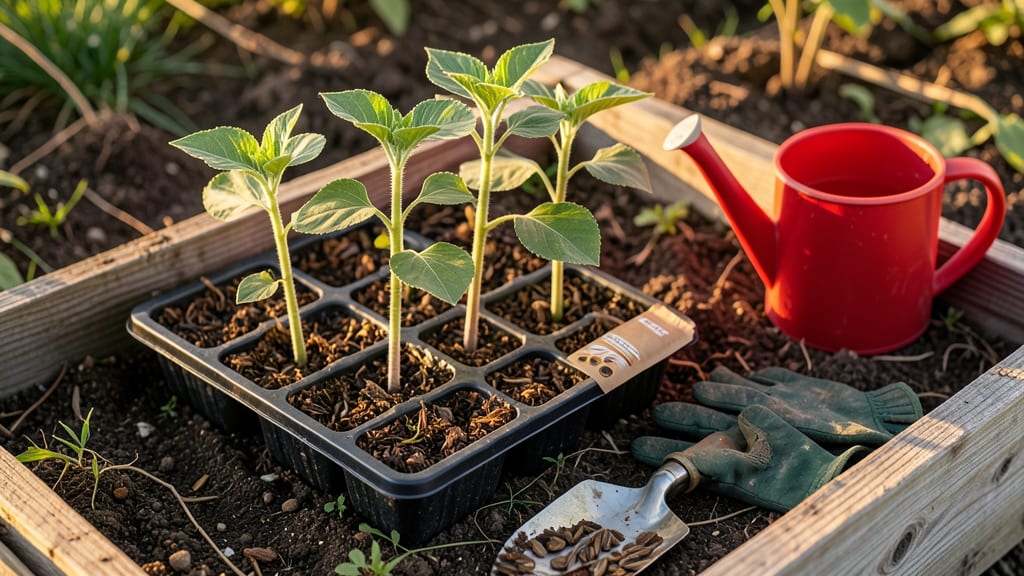
To plant sunflower seeds in Wisconsin, wait until after the last frost—typically mid-April to early May—when soil warms to 55°F and USDA Zones 4a-6b signal spring’s arrival.
Sunflowers aren’t just stunning garden centerpieces—they’re drought-tolerant, wildlife-friendly, and surprisingly easy to grow in Wisconsin’s climate. But timing your planting just right can mean the difference between towering blooms and wilted disappointment.
In Zone 4a (like the Upper Peninsula), you’ve got a shorter window—plant between May 1-15—while Zone 5b (Madison) can start as early as April 20 if the ground thaws. Late starters risk stunted growth, but early plantings in cold soil? That’s a recipe for rot.
Below, I’ll break down the best dates by region, how to prep soil for Wisconsin’s rocky clay, and which sunflower varieties thrive here—plus how to stretch the season if you’re eager for those 12-foot giants by August.
Wisconsin’s frost-free window by USDA Zone: best planting dates for sunflowers
Wisconsin’s USDA Zones 3-5 create unique challenges for sunflower growers, where last frost dates can vary by 3-4 weeks between northern and southern regions. In Zone 3 (Upper Peninsula), you might see frost as late as May 20, while Zone 5 (Milwaukee) typically warms up by mid-April.
These differences mean your planting window could shift by nearly a month depending on where you live.
Sunflowers thrive in warm soil (55°F+) and need 60-120 days to mature, making timing critical. Plant too early, and cold soil can stunt germination. Plant too late, and fall frosts might cut your blooms short.
The sweet spot? Aim for 2-4 weeks after your last frost date, when soil temperatures consistently stay above 55°F.
Comparison Table: Wisconsin Sunflower Planting Windows by Zone
| USDA Zone | Last Frost Date | Ideal Planting Window | Soil Temp Requirement | Risk of Early Planting | Risk of Late Planting |
|---|---|---|---|---|---|
| Zone 3 (UP) | May 10-20 | May 25 - June 10 | 55°F+ (13°C+) | Slow germination, rot risk | Short season, immature blooms |
| Zone 4 (North) | May 1-10 | May 15 - June 5 | 55°F+ (13°C+) | Cold soil delays growth | Limited maturity time |
| Zone 5 (South) | April 15-25 | May 1 - May 20 | 55°F+ (13°C+) | Minimal (if soil warmed) | Frost risk in September |
For Zone 3 gardeners, focus on early-maturing varieties like ‘Teddy Bear’ (50-60 days) to ensure blooms before first frost. In Zone 5, you have more flexibility—try taller varieties like ‘Russian Giant’ (100-120 days) for dramatic results.
Always check your local frost dates using the National Weather Service or Almanac for precision.
One common mistake? Planting sunflowers too close to frost dates and assuming they’ll survive. Sunflowers are frost-sensitive—even a light frost can damage leaves and stunt growth.
If you’re in Zone 3 or 4, consider starting seeds indoors 2-3 weeks before your last frost date to give them a head start.
Another pro tip: Use black plastic mulch to warm soil faster in cooler zones. This can shave 1-2 weeks off your planting timeline by raising soil temperatures 5-10°F.
Just remove it once seeds sprout to avoid overheating. For container growers, move pots to a sunny windowsill or greenhouse in late April to extend your growing season.
If you’re unsure about your exact last frost date, err on the side of planting later. Sunflowers are fast growers—even a 2-week delay won’t kill them, but planting too early in cold soil can lead to rot or poor germination.
For Zone 4 and 5, I recommend waiting until mid-May to guarantee warm soil and avoid frost surprises.
Remember, sunflowers are drought-tolerant once established, but they need consistent moisture during germination. Water seeds deeply but gently after planting to keep soil evenly moist until they reach 3 inches tall. After that, let the soil dry slightly between waterings to encourage strong root growth.
For late-season planting, focus on short varieties like ‘Moulin Rouge’ (60 days) in July. These can still produce small but beautiful blooms before frost, adding late-season color to your garden. Just be prepared for smaller heads compared to spring-planted sunflowers.
🌻
Sunflower variety maturity guide: short-season vs. tall varieties for Wisconsin
Wisconsin’s short growing season demands smart sunflower variety selection. Dwarf varieties like ‘Teddy Bear’ mature in just 50-60 days, perfect for late plantings, while giant varieties like ‘Russian Giant’ need 100-120 days—meaning you’ll miss harvest if planted after June 15 in Zone 4a. The key is matching your last frost date with each variety’s days-to-maturity to avoid frost damage before blooming.
For Zone 4a (Upper Peninsula), focus on early varieties like ‘Autumn Beauty’ (65 days) or ‘Moulin Rouge’ (70 days). These medium-height options balance bloom time and frost risk.
In Zone 5b (Madison), you can stretch to ‘Russian Giant’ (110 days) if planted by May 1, but expect stunted growth if soil stays cold past 55°F.
Here’s how to match varieties to Wisconsin’s 150-200 frost-free days:
| Variety | Height | Days to Maturity | Best Zone | Frost Risk |
|---|---|---|---|---|
| Teddy Bear | 1-2 ft | 50-55 days | 4a-6b | Low (early bloom) |
| Autumn Beauty | 3-5 ft | 65-70 days | 4a-5b | Moderate |
| Moulin Rouge | 4-6 ft | 70-75 days | 4b-6a | Moderate |
| Russian Giant | 10-14 ft | 100-120 days | 5a-6b | High (late bloom) |
| ProCut | 5-7 ft | 60-65 days | 4a-5b | Low (cut-flower) |
Dwarf varieties like ‘Teddy Bear’ are my top pick for Wisconsin gardens—they bloom fast, resist wind damage, and fit even small urban spaces. Plant these June 1-15 in Zone 4a for guaranteed blooms before frost. Meanwhile, tall varieties need full summer heat (75°F+) to reach their potential, so avoid planting ‘Russian Giant’ after May 15 unless you’re in Zone 5b.
Pro tip: Use succession planting for tall varieties—sow a few seeds every 2 weeks in May to stagger maturity and extend your harvest window. This works especially well for ‘Moulin Rouge’, which produces sequential blooms in shades of red and yellow.
If you’re chasing those 12-foot giants, prioritize south-facing beds with well-draining soil—Wisconsin’s clay-heavy soil can stunt growth if not amended with compost. Mulch heavily to retain heat and moisture, and watch for squirrel theft once seeds mature!
🌻