
Propagation
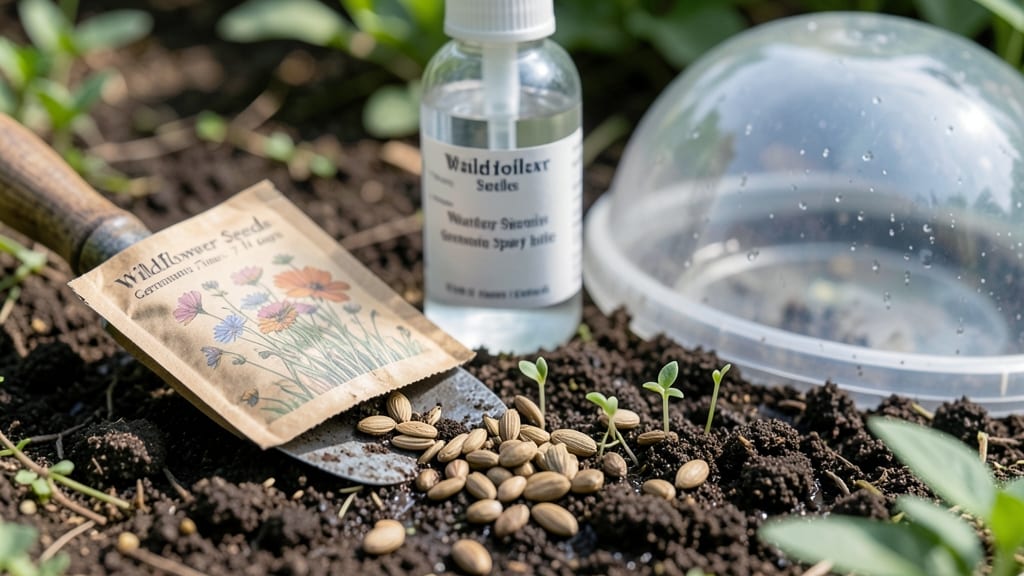
Wildflowers to germinate can take anywhere from 7 to 30 days, but the wait often feels longer than it should—especially when you’re staring at a freshly sown meadow hoping for those first green shoots to appear.
Most wildflower seeds need just the right mix of warmth and moisture to break dormancy, yet too many gardeners rush the process or overlook simple tricks like scarification for hard-coated seeds.
The truth? Patience isn’t just a virtue—it’s the key to success, and understanding your soil’s temperature and seed type can cut weeks off your waiting game.
Some varieties, like cosmos and poppies, sprout in as little as 5–10 days under ideal conditions, while others, such as black-eyed Susans, may take three weeks or more.
The difference often comes down to whether your soil is warm enough and whether the seeds are buried shallowly (most need light to germinate, not darkness).
Below, I’ll break down the exact timelines by seed type, how to tweak your soil for faster results, and the one mistake that keeps even experienced gardeners pulling out their hair. Ready to turn that patch of dirt into a blooming paradise?
Wildflower germination times by seed type: fastest to slowest sprouting species
If you've ever scattered wildflower seeds hoping for instant color, you've probably wondered why some species pop up in days while others take months. The truth is that wildflower germination times vary dramatically—from 3 days for fast sprouters to 60+ days for slow starters.
Understanding these differences helps you set realistic expectations and adjust your planting strategy for maximum success.
Fast-sprouting wildflowers like cosmos and clover often appear within 7–14 days under ideal conditions, while black-eyed Susans and milkweed can take 3–6 weeks or longer. The key factors? Soil temperature, moisture consistency, and seed coat thickness.
Some seeds even require light to germinate, so burying them too deeply can stall their progress.
Here’s how to decode the wildflower germination speed chart and what it means for your garden:
Notice how cosmos and clover sprout in record time compared to lupine or milkweed? The difference lies
How soil temperature affects wildflower germination speed: the hidden rulebook
Soil temperature is the secret weapon in wildflower germination—yet most gardeners ignore it completely. Cool-season wildflowers like lupines and sweet alyssum thrive in 50–60°F soil, while warm-season varieties such as cosmos and sunflowers need 70–85°F to break dormancy.
Plant too early or late, and you’ll end up with slow, uneven sprouts or no germination at all.
Think of soil temperature as the invisible timer for your seeds. A 10°F difference can double or halve germination time—meaning the difference between 5 days and 20 days for the same seed mix. Even a shady spot can keep soil 10–15°F cooler than a sunny patch, delaying sprouts by weeks.
Your USDA hardiness zone dictates when to plant. In Zones 3–5, aim for late April–early May when soil warms to 55°F+. Gardeners in Zones 6–8 can start as early as March for cool-season wildflowers but should wait until May for warm-season varieties.
Pro tip: Use a soil thermometer—cheap and game-changing!
If your soil runs too cold, try black plastic mulch or a cold frame to warm it up by 10–15°F. For too-hot soil, provide light shade cloth until temps drop.
Even a 5°F adjustment can mean the difference between sprouts in 7 days and sprouts in 30.
Never assume "spring" means planting time. Check your local frost dates and soil temps—March frost can kill warm-season seeds, while May heatwaves may dry out cool-season starters. Adjust your schedule based on actual soil conditions, not just the calendar.
Patience pays off, but smart timing pays even more. With the right soil temperature, you could see cosmos blooms in 6 weeks instead of 10. The key? Know your seeds, monitor your soil, and don’t rush—your future meadow will thank you. 🌱