
Plants
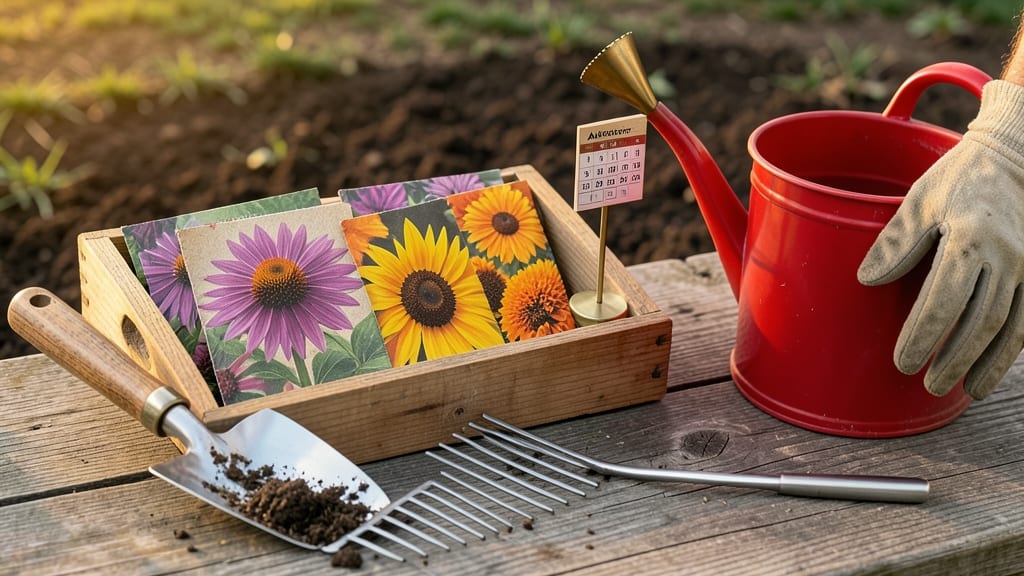
Planting wildflower seeds in Illinois at the right time ensures vibrant blooms and thrives in USDA Zones 5 and 6, where frost can linger unpredictably.
Timing is everything—miss the window, and you risk late frosts stunting your 🌼 meadow or summer heat drying out tender sprouts before they take root. The difference between a stunning pollinator haven and a season of disappointment often comes down to when you scatter those seeds.
In Illinois, the ideal planting windows are early spring (March-April) and fall (September-October), when soil temperatures hover just above 40°F and frost-free days stretch ahead. But microclimates and last-frost dates can shift these timelines by weeks, especially in Zone 5’s chillier pockets.
Below, I’ll break down the exact frost-free timing for your region, soil prep secrets to give seeds the best start, and the top Illinois-native wildflowers that reward patience with months of color.
Best planting windows for Illinois wildflowers by USDA Zone
Timing your wildflower seeds in Illinois requires precision, especially when balancing USDA Zones 5 and 6 with unpredictable frost dates. The last spring frost typically arrives around April 15, while the first fall frost hits by October 15.
These windows create a 165-day frost-free growing season, perfect for both annual and perennial wildflowers if planted correctly. Missing these windows can leave seeds vulnerable to frost damage or uneven germination.
For annual wildflowers, like cosmos or zinnias, the best planting window is late April to early May, once soil temperatures consistently reach 50°F (10°C).
These fast-growing varieties thrive when sown after the last frost, giving them enough time to establish before summer heat. Perennial wildflowers, such as coneflowers or black-eyed Susans, have a broader window—early spring (March) or fall (September-October)—allowing them to develop deep roots before winter dormancy.
Soil temperature is your most reliable indicator for planting. Use a soil thermometer to confirm 40°F (4°C) for perennials or 50°F (10°C) for annuals before sowing. In Zone 5, where frost lingers longer, wait until mid-April for spring planting.
In Zone 6, you can start as early as late March, but always monitor forecasts for late frosts.
Fall planting is ideal for perennials, as cooler temperatures reduce stress on young roots. Aim to sow seeds 6-8 weeks before the first frost, typically by September 15.
This gives seeds time to germinate and establish before winter. Annuals planted in fall may not survive Illinois winters, so reserve fall sowing for hardy perennials like milkweed or goldenrod.
Late-winter sowing (February) is a niche strategy for cold-hardy annuals, such as lupine or sweet alyssum, which can tolerate light frost. Plant these in protected microclimates, like near south-facing walls, where soil warms faster.
Always cover seeds with lightweight row fabric to shield them from late frosts until soil temperatures stabilize.
| Planting Window | Best For | Soil Temp Threshold | Frost Risk | Notes |
|---|---|---|---|---|
| Late Winter (Feb) | Cold-hardy annuals | 40°F (4°C) | High (late frosts) | Use row fabric; microclimates only |
| Early Spring (Mar-Apr) | Perennials | 40°F (4°C) | Moderate | Zone 6: late March; Zone 5: mid-April |
| Late Spring (Apr-May) | Annuals | 50°F (10°C) | Low | After last frost; full sun required |
| Fall (Sep-Oct) | Perennials | 50°F (10°C) | Moderate (early frost) | 6-8 weeks before first frost |
Microclimates play a crucial role in extending your planting window. South-facing slopes or urban heat islands (like paved areas) can warm 5-10°F faster than open fields, allowing earlier spring sowing.
Test these spots with a soil thermometer for 3-5 days to confirm consistency. Conversely, low-lying areas or northern exposures may require waiting until mid-May to avoid frost damage.
For direct sowing, prepare the seedbed by lightly raking soil to a depth of ¼ inch—just enough to cover tiny wildflower seeds. Avoid burying seeds too deeply, as most wildflowers need light to germinate.
Water gently with a fine mist to avoid displacing seeds, then maintain even moisture until germination (typically 10-21 days depending on the species).
If you miss the spring window, don’t despair—fall planting is equally effective for perennials. Focus on September sowing in Zone 6 or early October in Zone 5
How to prepare your Illinois soil for wildflower success
Preparing your Illinois soil for wildflowers starts with understanding its natural state—most native wildflowers thrive in well-draining, slightly acidic to neutral soil (pH 6.0–7.0). Illinois’ clay-heavy soils can compact easily, so loosening them without overworking is key.
Begin by testing your soil’s pH and nutrient levels using a home test kit or send a sample to the University of Illinois Extension for professional analysis.
If your soil tests too alkaline (common in Illinois), amend it with peat moss or sulfur to lower the pH gradually. For compacted areas, avoid deep tilling—wildflower roots are shallow, and excessive disturbance can harm them.
Instead, use a broadfork to loosen the top 6–8 inches of soil while leaving the subsoil intact.
Next, clear the area of weeds and debris, then spread a 2–3 inch layer of compost over the soil. This improves moisture retention and adds essential nutrients without overwhelming young seedlings.
For larger areas, consider using a lasagna mulching technique with layers of cardboard, straw, and compost to suppress weeds naturally.
Illinois’ unpredictable frost dates (last frost: mid-April, first frost: mid-October) make timing critical. Planting before soil reaches 40°F risks seed rot, while sowing after June 15 may result in weak fall growth. Use a soil thermometer to confirm temperatures before planting.
Pro Tip: For fall planting, aim for 6–8 weeks before first frost to allow seeds to germinate and establish roots before winter.
After amending, create a fine seedbed by raking the soil lightly to remove clumps. Wildflower seeds are tiny and need good soil-to-seed contact for germination. For larger seeds (like black-eyed Susans), press them 1/4 inch deep, while delicate species (like blue-eyed grass) should barely be covered.
A gentle watering with a fine mist nozzle helps settle seeds without displacing them.
Moisture control is just as important as soil prep. Wildflower seeds need consistent moisture to germinate, but overwatering can cause rot. Water lightly daily for 2 weeks after planting, then reduce to 2–3 times per week once sprouts appear.
Mulch with straw or shredded leaves to retain moisture and deter weeds, but avoid thick layers that may smother seedlings.
Finally, monitor your soil’s moisture and nutrient levels throughout the growing season. Wildflowers are low-maintenance once established, but young plants benefit from occasional light fertilization (use a 5-10-10 balanced fertilizer sparingly).
Avoid heavy-handed care—Illinois’ native wildflowers evolved to thrive with minimal intervention, so focus on protecting their natural growth patterns.
With the right soil prep, your Illinois wildflower meadow will reward you with vibrant blooms from spring through fall, attracting pollinators and adding beauty to your landscape. Start small, test your soil, and let nature do the rest! 🌱