
Plants
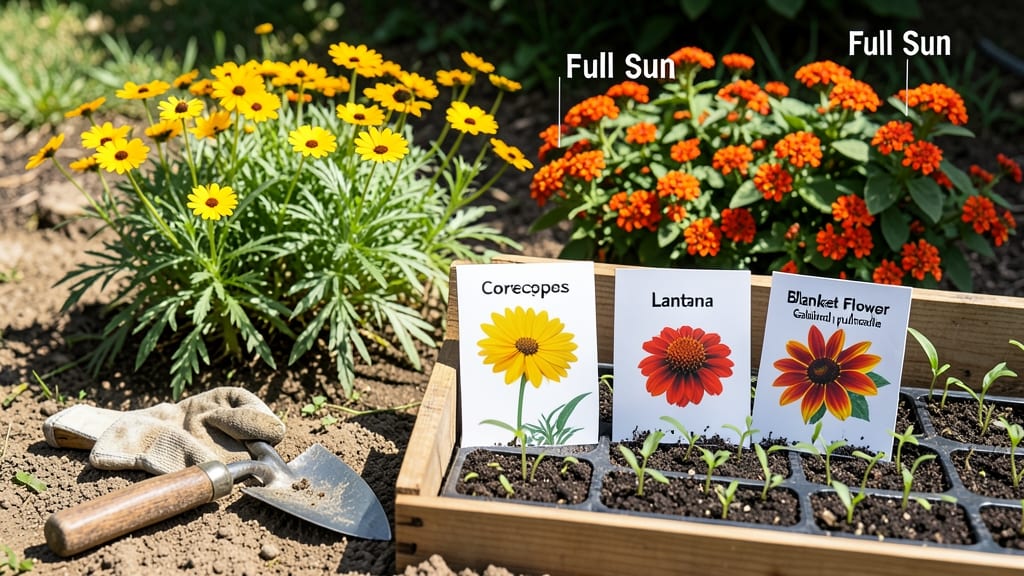
Planting wildflower seeds in Florida at the right time means the difference between a vibrant meadow and a patch of dirt 🌼—and the best windows are fall and early spring.
You might think Florida’s endless sunshine means you can toss seeds anytime, but humidity and heat can turn them to mush before they sprout. The key is cooler months when soil stays moist just long enough for roots to take hold.
Below, I’ll break down the ideal planting months for USDA Zones 8-10, which species thrive in Florida’s microclimates, and how to prep soil so your wildflowers bloom like clockwork—even through hurricane season.
From coastal Black-eyed Susans to inland Coreopsis, you’ll learn exactly when to scatter seeds for year-round color, plus pro tips to beat Florida’s unpredictable rain and pests.
Best planting windows for Florida wildflowers by season
Florida’s diverse microclimates—from coastal humidity to inland dryness—create unique planting opportunities for wildflowers. Unlike northern states, you can plant wildflower seeds year-round, but timing still matters to maximize blooms.
Coastal areas (like Miami or Tampa) have longer growing seasons, while inland regions (such as Orlando or Gainesville) benefit from cooler winters. Understanding these differences ensures your wildflowers thrive.
Native wildflowers like Black-eyed Susans and Coreopsis germinate best during cooler months when soil temperatures stay below 80°F. However, some species, like Blanket Flower, tolerate summer heat if given adequate moisture during establishment.
The key is matching seed types to Florida’s two main planting windows: fall (September–November) and early spring (February–March).
Below is a month-by-month guide tailored to Florida’s regions, including soil prep tips and watering schedules to avoid common pitfalls like fungal diseases or seed washout from summer rains.
Whether you’re sowing in a sunny meadow or a shaded woodland edge, these timelines will help you create a year-round wildflower display.
| Month | Best Planting Time | Ideal Wildflower Species | Soil Prep | Watering Needs |
|---|---|---|---|---|
| January | Early Spring (North FL) | Coreopsis, Blanket Flower | Loosen soil, add compost | Weekly light watering |
| February | Peak Spring Planting | Black-eyed Susan, Milkweed | Test pH (6.0–7.0), rake seedbed | Bi-weekly deep watering |
| March | Late Spring (Coastal) | Lantana, Firewheel | Mulch lightly to retain moisture | Daily light watering (hot spells) |
| April | Avoid (Summer Heat) | None (Dormant Season) | Water established plants | Minimal watering |
| May | Avoid (Peak Heat) | None (High Risk) | Mulch to prevent evaporation | Weekly deep soak |
| June | Emergency Planting (Shade) | Shade-tolerant species | Use shade cloth if needed | Bi-weekly evening water |
| July | Avoid (Monsoon Season) | None (Rain Washout) | Check for erosion | Natural rain sufficient |
| August | Avoid (High Humidity) | None (Fungal Risk) | Improve drainage |
Native wildflower species and their ideal planting timesFlorida’s native wildflowers thrive with the right timing, and understanding species-specific planting windows ensures your garden bursts with color. Black-eyed Susan (Rudbeckia hirta) and Coreopsis (Coreopsis spp.) love Florida’s warmth, but they need cooler months to establish roots before summer’s intensity. Blanket Flower (Gaillardia pulchella) also prefers early planting to avoid drought stress. Each species has unique needs—some like direct sowing in fall, while others benefit from transplanting young seedlings in spring. I’ll walk you through the best methods for Florida’s most beloved wildflowers, so you can skip the guesswork and enjoy blooms all year.
For Black-eyed Susan, timing is critical—planting in late summer or early spring ensures blooms from spring through fall. The key is to avoid mid-summer heat, which can cause seeds to dry out before sprouting. If you’re transplanting, start seeds indoors 6–8 weeks before your target outdoor date. Coreopsis, on the other hand, is more forgiving but still benefits from cool-season planting. Fall-sown seeds will often bloom the following year, while spring transplants reward you with immediate color. I’ve found that mulching after planting helps retain moisture during Florida’s dry spells. Blanket Flower is a drought-tolerant favorite, but it needs a head start. Planting in early spring or late summer gives it time to establish roots before the hottest months. This species also handles poor soil better than most, making it perfect for Florida’s sandy or rocky patches. Pro tip: Mix wildflower seeds with native grasses like Muhly Grass (Muhlenbergia capillaris) for a low-maintenance meadow. The grasses provide structure, while the wildflowers add seasonal color. Just remember—no fertilizer is needed for these hardy plants! |