
Plants
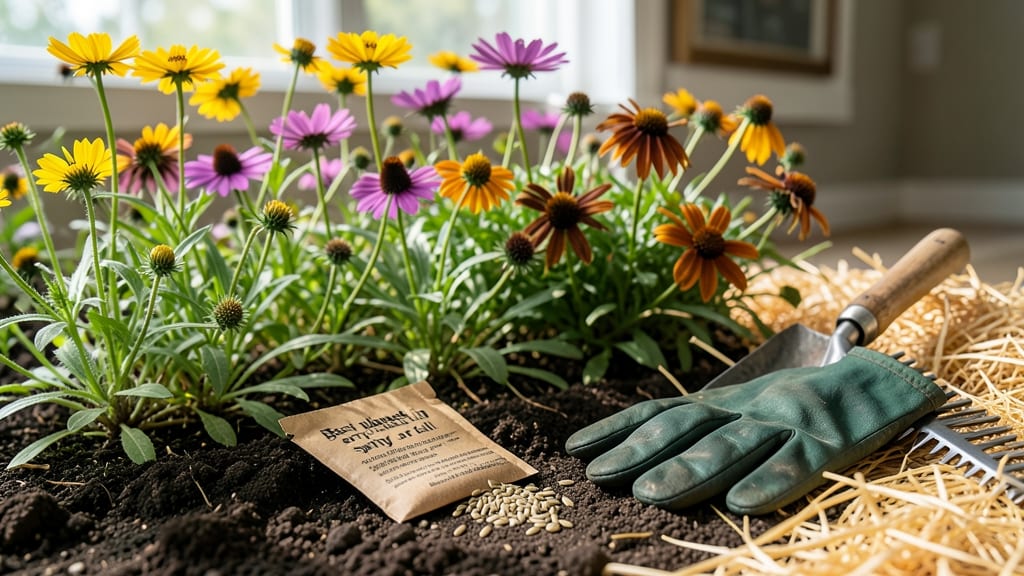
Planting wildflower seeds in NC at the right time ensures vibrant blooms that last from spring through summer 🌼 — and the best windows are late winter to early spring or early fall.
North Carolina’s diverse climate—from the Piedmont’s rolling hills to the Coastal Plain’s sandy soils—creates ideal conditions for wildflower meadows, but timing is everything to ensure success.
Miss the window, and you risk weak germination or seeds washing away before they take root. Get it right, and you’ll enjoy a year-round display of color that supports local pollinators.
Below, I’ll break down the perfect planting months by region, soil prep tips, and how to choose seed mixes that thrive in NC’s 6a-8b zones.
Best planting months for wildflowers in NC by region
North Carolina’s three distinct regions—Coastal Plain, Piedmont, and Mountains—each offer unique microclimates that influence when to plant wildflower seeds for maximum success. The Coastal Plain (Zone 8a-8b) enjoys mild winters, while the Mountains (Zone 6a-7a) face earlier frosts.
Even the Piedmont (Zone 7a-7b) has subtle differences that matter for seed germination.
Timing your planting to align with soil temperatures and rainfall patterns ensures strong root development before summer heat sets in. For example, spring planting (February-April) gives seeds time to establish before the hottest months, while fall planting (August-September) takes advantage of cooler temps and winter moisture.
Let’s dive into the ideal windows for each region.
| Region | USDA Zone | Best Planting Window | Soil Temp for Germination | Rainfall Considerations |
|---|---|---|---|---|
| Coastal Plain | 8a-8b | Late Feb - Early April (spring) or Mid-Aug - Mid-Sept (fall) | 60-65°F | Avoid heavy spring rains; fall planting benefits from winter moisture |
| Piedmont | 7a-7b | Mid-March - Mid-April (spring) or Late Aug - Early Sept (fall) | 55-60°F | Spring droughts may require irrigation; fall planting avoids summer heat |
| Mountains | 6a-7a | April - Early May (spring) or Sept - Early Oct (fall) | 50-55°F | Spring planting waits for last frost; fall planting avoids early snow |
In the Coastal Plain, where winters are mild, you can start planting as early as late February for spring blooms. The warm soil and consistent rainfall create perfect conditions for black-eyed Susans and coreopsis to germinate quickly.
However, avoid planting during peak hurricane season (June-August), as heavy rains can wash seeds away before they sprout.
The Piedmont region offers a slightly narrower window due to its moderate climate. Planting in mid-March ensures seeds germinate before the soil dries out in late spring. For fall planting, aim for late August to allow seeds to establish roots before winter rains begin.
Native species like purple coneflower thrive here with minimal care once established.
For Mountain gardeners, patience is key. Wait until after the last frost date (typically mid-April) to plant in spring, as cooler temperatures slow germination.
Fall planting should wrap up by early October to avoid early snowfall. Mountain wildflowers like trillium and bloodroot reward this timing with stunning early spring blooms.
Regardless of region, always prepare your soil by removing weeds and lightly raking the surface. Wildflower seeds need light to germinate, so avoid burying them more than 1/4 inch deep.
After planting, use a light mulch to retain moisture without smothering the seeds—especially critical in NC’s humid summers.
Pro tip: If you’re planting in clay-heavy soils (common in the Piedmont), mix in compost or sand to improve drainage. This helps prevent seed rot during NC’s wet springs. For sandy Coastal Plain soils, add a light layer of peat moss to retain moisture for young seedlings.
Finally, consider your wildflower mix. Coastal mixes should include salt-tolerant species like beach sunflower, while Mountain mixes benefit from cool-season varieties like columbine. Always check the seed packet for regional recommendations to maximize your meadow’s potential.
With the right timing and a little regional know-how, your NC wildflower meadow will burst into color year after year—attracting butterflies, bees, and even hummingbirds to your garden. Happy planting! 🌼
How to choose wildflower seed mixes for NC’s seasonal blooms
North Carolina’s diverse climate means you can enjoy wildflowers year-round, but selecting the right seed mix for each season is key. Spring ephemerals like trillium and bloodroot thrive in cool temperatures, while summer perennials such as black-eyed Susan and coneflower need heat tolerance.
Matching your mix to NC’s last frost dates (March 15 in Zone 6a) ensures strong germination and vibrant blooms.
For pollinator-friendly gardens, prioritize native varieties like purple coneflower and butterfly weed, which attract bees, butterflies, and hummingbirds. These plants also adapt well to NC’s 6a-8b zones, offering resilience against drought and pests. Always check seed packets for USDA zone compatibility to avoid disappointment.
Here’s how to align your seed mix with NC’s seasonal blooms:
-
🌱 Spring Ephemerals
Plant in September-October for blooms by March-April. Includes Virginia bluebells and wild ginger. -
☀️ Summer Perennials
Sow in March-April for peak summer color. Choose coreopsis and goldenrod for drought resistance. -
🍂 Fall/Winter Hardy
Plant in August-September for late-season blooms. Try astern and joe-pye weed for fall interest. -
🐝 Pollinator Mixes
Combine milkweed, bee balm, and lupine for year-round nectar. Plant in spring or fall.
Consider your garden’s sun exposure when selecting mixes. Full-sun areas (6+ hours) suit black-eyed Susans and sunflowers, while partial shade works for wild columbine and trillium. Always prepare soil by removing weeds and loosening the top 2 inches to improve seed contact.
For low-maintenance meadows, opt for native grasses like little bluestem alongside wildflowers. These blends reduce mowing needs and support local ecosystems. Apply a thin layer of mulch after planting to retain moisture and suppress weeds during germination.
Test your soil’s pH (aim for 6.0-7.0) and amend with compost if needed. NC’s clay-heavy soils in the Piedmont benefit from sand or peat moss additions. Avoid over-fertilizing—wildflowers thrive in poor soil and often self-seed, creating naturalized meadows over time.