
Planting
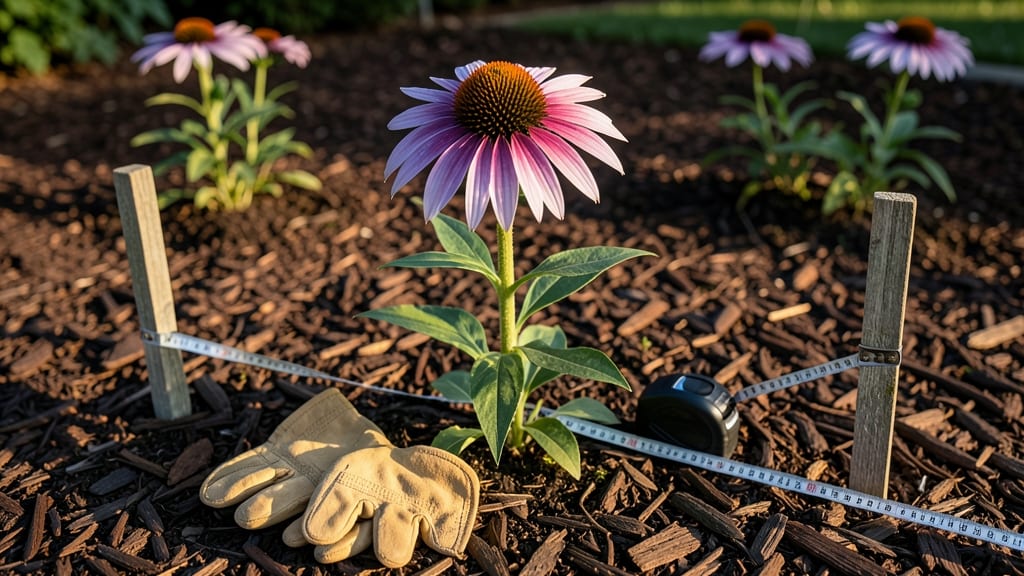
Spacing purple coneflowers correctly is the secret to bold blooms and a thriving pollinator garden — yet many gardeners get it wrong, leading to stunted growth or crowded, leggy plants.
Picture this: a full-sun border where your purple coneflowers 🌼 struggle for space, their stems bending under the weight of too many neighbors. Or worse, a wildflower meadow where they disappear into the sea of shorter blooms.
Proper spacing isn’t just about aesthetics—it’s about airflow, disease prevention, and the longevity of your plants.
In this guide, I’ll break down the ideal distances for garden beds, wildflower meadows, and containers, plus how sunlight and soil type tweak those numbers. You’ll also learn how to group plants for maximum impact and which companions keep pests at bay.
By the end, you’ll know exactly how far to space your purple coneflowers for years of effortless beauty—no guesswork required.
Optimal purple coneflower spacing by garden type
Proper purple coneflower spacing transforms your garden from a cluttered mess to a thriving pollinator paradise. These hardy perennials need room to breathe—literally! Crowding them leads to stunted growth, fewer blooms, and increased disease risk.
The key? Understanding how their mature size (2–4 feet tall and wide) interacts with your garden's layout and sunlight conditions.
Whether you're designing a wildflower meadow, a pollinator garden, or a classic perennial border, spacing dictates everything from airflow to visual impact. Science shows that 18–24 inches apart is ideal for most garden types, but container gardens and meadows have unique needs.
Let's break down the best practices for each setting to ensure your Echinacea purpurea reaches its full potential.
Why spacing matters: Purple coneflowers need 6–8 hours of full sun daily, and proper spacing ensures every plant gets equal light exposure. In crowded conditions, inner plants may bolt prematurely or produce smaller blooms. Plus, adequate airflow reduces fungal diseases like powdery mildew, which thrives in damp, shaded conditions.
Here’s how to tailor spacing for different garden types, including container gardens, wildflower meadows, and pollinator-friendly borders. Each environment demands a slightly different approach to maximize both beauty and functionality.
| Garden Type | Spacing (inches) | Plants per sq ft | Sunlight Needs | Mature Height |
|---|---|---|---|---|
| Perennial Border | 18–24" | 1–2 | Full sun (6–8 hrs) | 2–4 ft |
| Wildflower Meadow | 24–36" | 0.5–1 | Full sun (6+ hrs) | 3–4 ft |
| Pollinator Garden | 12–18" | 2–4 | Full sun (6–8 hrs) | 2–3 ft |
| Containers (5+ gal) | 1 plant per container | N/A | Full sun (6+ hrs) | 1–2 ft |
| Mass Plantings | 12–18" | 3–4 | Full sun (6–8 hrs) | 2–3 ft |
For perennial borders, stick to 18–24 inches apart to create a structured, low-maintenance edge. This spacing allows you to interplant with shorter perennials like Salvia or Black-Eyed Susan without competition.
In my own garden, I’ve found that pairing coneflowers with daylilies (spaced 12 inches apart) creates a stunning layered effect while keeping the coneflowers’ bold blooms as the focal point.
Wildflower meadows require the most generous spacing—24–36 inches apart—to mimic natural prairie conditions. This wider gap ensures each plant gets ample sunlight and reduces competition for nutrients. If you’re seeding a meadow, aim for 1–2 plants per square foot to avoid overcrowding. Pro tip: Mix in native grasses like Little Bluestem to fill gaps naturally and improve soil health.
Pollinator gardens benefit from closer spacing (12–18 inches) to create a dense "sea of blooms" that attracts bees and butterflies. Group 3–4 plants per square foot and interplant with neighborhood-friendly flowers like Bee Balm or Butterfly Weed.
This tight arrangement maximizes nectar sources for pollinators while still allowing airflow. Just avoid planting in shaded corners, as coneflowers wilt without full sun.
Container gardening with purple coneflowers is perfect for small spaces or balconies. Use 5-gallon pots or larger to accommodate their mature size, and plant one coneflower per container. Pair it with companion plants like Lavender or Russian Sage
How to space purple coneflowers for maximum blooms and pollinator traffic
Proper spacing isn’t just about fitting plants into your garden—it’s about creating a pollinator paradise that blooms abundantly all season. When purple coneflowers 🌼 are spaced correctly, they develop stronger stems and larger flowers, while also inviting bees and butterflies to visit.
I’ve found that grouping plants in odd-numbered clusters (like 3, 5, or 7) creates natural focal points that draw the eye—and the pollinators!
For example, in my full-sun border, I space coneflowers 18–24 inches apart in clusters of 5. This spacing allows airflow to prevent fungal diseases while still creating a dense, eye-catching display.
The key is balancing aesthetics with plant health—too close, and you’ll get leggy stems; too far, and your garden will look sparse.
- 18–24 inches apart in garden beds for optimal airflow and bloom size.
- Group in odd numbers (3, 5, or 7 plants) to create natural focal points.
- 36–48 inches apart in wildflower meadows to prevent competition for sunlight.
- Companion plant with shrubby perennials (like black-eyed Susans) to fill gaps and extend the blooming season.
- Prune spent blooms in early fall to encourage a second flush of flowers next spring.
Don’t overlook the power of companion planting—pairing purple coneflowers with drought-tolerant perennials like salvia or Russian sage creates a low-maintenance pollinator haven. I’ve noticed that bees and butterflies linger longer in these mixed plantings, as they have multiple food sources in one area.
Plus, taller companions like bee balm can hide the brown seed heads that some gardeners dislike after the blooms fade.
Seasonal pruning is another game-changer. After the first frost, I cut back dead foliage to 4–6 inches tall—this removes hiding spots for pests and reduces disease risk.
In early spring, I leave the dried seed heads for winter interest and birdseed, but I trim them back once new growth appears. This simple step keeps your coneflowers looking neat and healthy while supporting local wildlife.
For container gardening, use one coneflower per 12-inch pot—they’ll still thrive and reward you with vibrant blooms all summer. Just ensure your container has drainage holes and a well-draining potting mix. I’ve even seen coneflowers in hanging baskets (using dwarf varieties) adding color to patios and balconies!
Remember, the goal is continuous blooms and a happy pollinator population. With the right spacing and a few smart companions, your purple coneflowers will become the star of your garden—year after year. 🌼