
Flowers
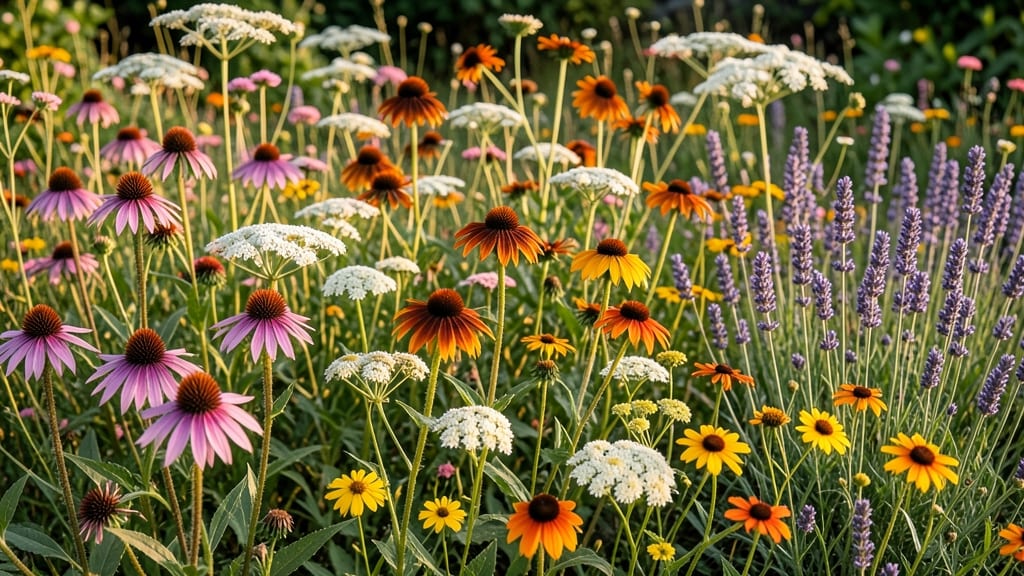
Creating a vibrant wildflower meadow with flowers 🌼 that thrive with almost no effort is easier than you think—and it starts with the right seed mix.
Picture this: a yard bursting with color from spring through fall, buzzing with bees and butterflies, where you spend zero time weeding or watering. That’s the magic of wildflower meadow flowers, and the best part? They outperform manicured lawns in beauty and eco-friendliness.
Whether you’re in USDA Zone 6a or beyond, the secret lies in selecting the right mix of native blooms that self-seed and spread effortlessly. No fancy tools, no green thumb required—just scatter, rake, and let nature do the rest.
Below, I’ll walk you through the top low-maintenance varieties, how to design your meadow for year-round interest, and the three simple steps to keep it thriving with minimal work.
Best wildflower meadow flowers for year-round color and pollinator support
A wildflower meadow bursts with color while supporting bees, butterflies, and beneficial insects—all with minimal effort. The key is selecting native species that thrive in your USDA zone and bloom at different times.
I’ve curated my top picks below, categorized by season, to ensure your meadow stays vibrant from spring through winter.
Native wildflowers like black-eyed Susan and purple coneflower attract pollinators year-round. These plants also require little water and no fertilizer, making them perfect for low-maintenance gardens. Let’s dive into the best options for each season, including their height, color, and regional adaptability.
Visual identification tip: Look for feathery foliage, daisy-like blooms, or spiky seed heads—these are classic wildflower traits. Pairing flowers with varying heights creates a natural, layered look that mimics a wild meadow’s beauty.
| Season | Wildflower | Color | Height (ft) | Pollinator | USDA Zones |
|---|---|---|---|---|---|
| Spring | Virginia Bluebells | Pink to blue | 1-2 | Bees, hummingbirds | 3-8 |
| Spring | Bloodroot | White | 0.5-1 | Bees, early butterflies | 4-8 |
| Summer | Black-Eyed Susan | Yellow | 1-3 | Bees, butterflies | 3-9 |
| Summer | Purple Coneflower | Purple | 2-4 | Bees, hummingbirds | 3-8 |
| Fall | Goldenrod | Yellow | 1-3 | Bees, late-season butterflies | 3-9 |
| Fall | Aster | Purple, pink, white | 1-4 | Bees, monarchs | 3-8 |
| Winter | Winter Aconite | Yellow | 0.5-1 | Early bees | 3-8 |
| Winter | Snowdrop |
How to create a low-maintenance wildflower meadow from scratchWildflower meadows are one of nature’s best-kept secrets for effortless beauty. The key to success lies in minimal prep work and strategic seed selection—no fancy tools or gardening degrees required. I’ve planted meadows in everything from sunny backyards to rocky slopes, and the secret is always the same: let the flowers do the work. Start with a sunny, open area—wildflowers thrive in full sun (6+ hours daily) and poor soil, making them perfect for spots where nothing else grows. Skip the tilling; wildflowers love undisturbed soil and actually perform better when they’re not competing with grass. Even a 10x10-foot patch can transform into a pollinator paradise in just one season. Your 5-Step Wildflower Meadow Guide
✅ Pro Tip: Mow once a year in late fall to remove dead growth and encourage new sprouts. After planting, the hardest part is waiting—but trust the process. First-year blooms may be sparse, but by year two, your meadow will explode with color. The best part? No fertilizers, no pesticides, and no weekly watering—just pure, natural beauty that supports bees, butterflies, and birds. For long-term success, avoid walking on the meadow once established (trampled flowers = fewer blooms). If weeds pop up, pull them in early spring before wildflowers sprout. And if you’re feeling ambitious, add a small water feature—hummingbirds and bees will thank you! Your wildflower meadow will reward you with seasonal color, reduced water bills, and zero guilt about skipping the lawnmower. Start small, experiment with seed mixes, and let nature take the lead—your future self (and the pollinators) will thank you. |