
How To
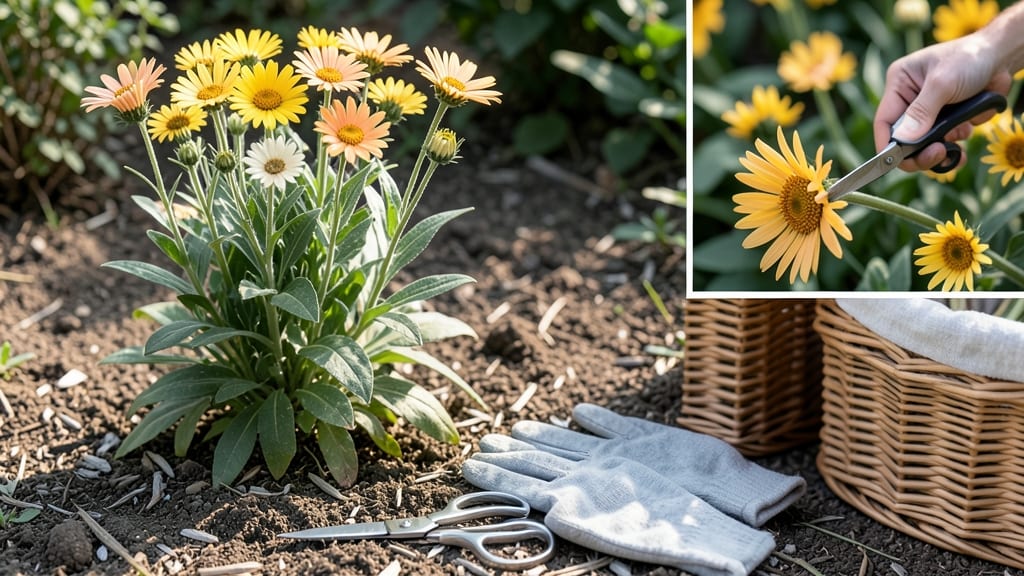
Harvesting strawflower at the right time means capturing vibrant blooms that last for weeks in a vase — and missing the window means dull petals and shorter shelf life.
You’ve probably seen those dry, papery strawflower 🌼 heads in bouquets, but did you know the perfect moment to pick them is when the buds shift from green to their final color? That subtle change signals peak flavor and longevity.
In USDA Zone 6a, the ideal window stretches from late August through October, but heat waves or early frosts can throw off timing. Below, I’ll show you how to read the buds, test the stems, and adjust for your local climate.
By the end, you’ll know exactly when to snip for long-lasting blooms — no guesswork, just a foolproof method that works for cut flowers or dried arrangements.


How to identify the perfect strawflower harvest time using bud color
Strawflowers reach their peak harvest readiness when their buds fully transition from green to their mature color—whether that’s deep pink, red, or yellow. This color shift signals that the petals have dried just enough to preserve their shape and vibrancy.
Watch closely for the outer bracts to flatten out, as this is your first visual cue that the flower is ready for cutting.
The ideal harvest window for strawflowers in USDA Zone 6a spans from late August through October, but regional climates can shift this by 2-4 weeks. In warmer zones (like Zone 8), you might start harvesting as early as July, while cooler zones (Zone 5) may delay until early October.
Always align your harvest with the first frost date to avoid catching flowers in a frost.
Here’s how to decode the bud color progression for perfect timing:
| Bud Stage | Color Indicator | Petal Condition | Harvest Readiness |
|---|---|---|---|
| Early Bud | Green | Tightly closed | Not ready |
| Transition | Yellow-green | Starting to open | Wait 3-5 days |
| Mature Bud | Deep pink/red/yellow | Fully open, flat | Perfect harvest time |
| Overripe | Fading color | Dry, brittle | Avoid cutting |
Beyond bud color, pay attention to the flower’s texture. At peak harvest, the petals should feel dry to the touch but not brittle. Gently rub a petal between your fingers—if it crumbles easily, the flower is overripe.
Conversely, if the petals still feel slightly moist or the buds are still tightly closed, wait 2-3 more days for the color to deepen and the texture to dry.
In cooler climates, like Zone 5, strawflowers may take longer to mature, so extend your harvest window into early November if frost isn’t imminent. Meanwhile, in hotter zones (Zone 9+), flowers can mature faster—sometimes in as few as 100 days—so monitor buds closely to avoid missing the window.
Pro tip: Morning harvests yield the freshest blooms, as evening dew can cause petals to wilt prematurely.
Don’t overlook the stem condition as a secondary cue. A mature strawflower stem should be woody and firm, not soft or pliable. If you press your fingernail into the stem and it leaves a dent, the flower isn’t ready yet.
Once the stem feels solid and the buds are fully colored, it’s time to snip with a clean, sharp pair of bypass pruners or scissors.
For dried arrangements, harvest when the buds are just starting to open—this ensures they’ll dry uniformly and retain their shape. If you’re cutting for fresh bouquets, wait until the buds are fully open but still vibrant.
The key is balance: too early means weak stems and short vase life, while too late results in dull, brittle petals.
Regional variations also affect timing. In Pacific Northwest gardens, where summers are cooler, strawflowers may not reach full maturity until September. Conversely, in Southern California, where heat accelerates growth, you might see harvest-ready buds as early as June.
Always adjust your expectations based on your local last frost date and average temperatures.
Finally, remember that consistent sunlight (6-8 hours daily) speeds up maturity, while partial shade can delay it. If your strawflowers are struggling to color up, consider relocating them to a sunnier spot or supplementing with a grow light during cloudy periods.
With these cues in mind, you’ll never miss the perfect harvest moment again.
🌼
The stem snap test: a reliable method to check strawflower maturity
While watching bud colors shift is helpful, the stem snap test is my go-to trick for confirming strawflower maturity. This simple tactile check tells you exactly when the stems are woody enough for long vase life—no guesswork involved.
I’ve used this method for years, and it never fails to give me perfectly timed harvests.
The test works by assessing stem firmness and dryness, which directly correlate with how well your cut flowers will hold up. When stems pass this test, you’re guaranteed vibrant blooms that last weeks in arrangements.
It’s especially useful when growing strawflowers in hot climates, where rapid growth can make visual cues harder to spot.
🌾 When to Harvest Strawflower
The stem snap test is foolproof: Hold a stem between your thumb and forefinger, about 2 inches below the bloom. Gently bend it—if it snaps cleanly (not bends), it’s ready! This means the stem has matured enough to transport water efficiently.
To perform the test, select a healthy-looking stem from the outer edges of your strawflower plant. Avoid stems that look twiggy or overly flexible, as these haven’t matured yet.
The ideal stem should feel slightly thicker than a pencil and have a dry, papery texture when you run your fingers along it.
What you’re looking for is a clean break—not a slow tear or a bend. If the stem snaps with a slight crackling sound, you’ve found your perfect harvest candidate.
This indicates the vascular bundles inside the stem have fully developed, ensuring your cut flowers will stay hydrated for weeks.
Pro tip: Test multiple stems across your plant, as maturity can vary slightly. Once you’ve identified the ready stems, harvest them early in the morning when the stems are fully turgid. This gives you the best chance for long-lasting blooms in your vase arrangements.
This method is especially valuable for dried flower arrangements, where stem maturity affects how well the blooms hold their shape. A properly mature stem ensures your strawflowers retain their color and structure even after drying, making it a gardener’s secret weapon for professional-quality dried bouquets.