
Blooming
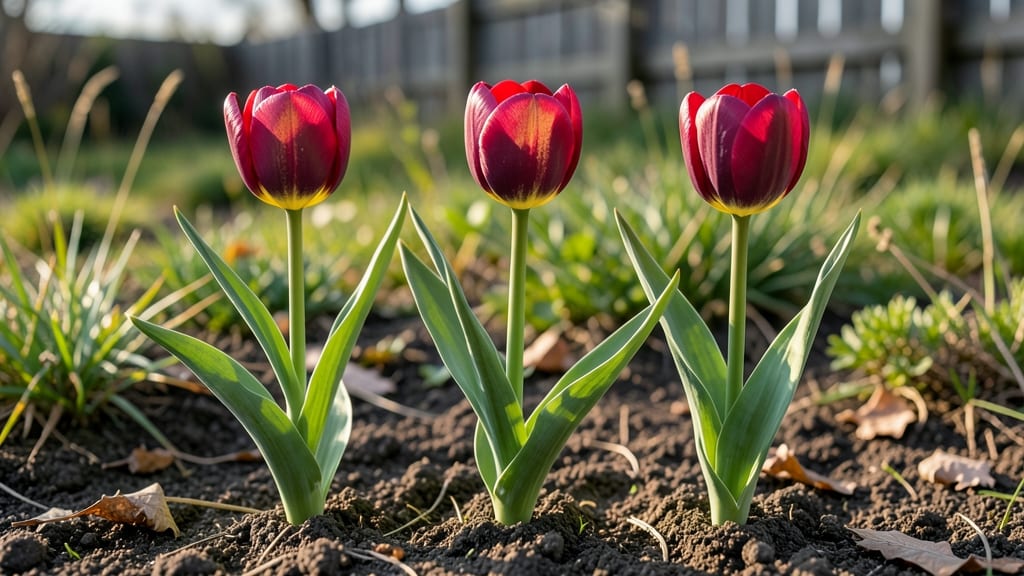
The tulip flower blooming season brings vibrant color to gardens in April and May—but timing varies wildly by zone, variety, and even the hemisphere you’re in.
If you’ve ever dreamed of waking up to a vibrant explosion of 🌷 in your garden, timing is everything. Planting too early or late can leave you waiting months for color, and the wrong variety might bloom in the dead of winter instead of spring.
But with the right knowledge—like when to plant for your specific USDA zone—you can orchestrate a 6-to-8-week display of tulips, from early bloomers in March to late-season varieties lingering into June.
This guide breaks down the exact bloom windows for your region, the best varieties to stretch your season, and how to force tulips to bloom outside their natural schedule—whether you want Valentine’s Day blooms indoors or a fall garden burst.
We’ll also cover the most common mistakes that turn your patience into disappointment.
Ready to turn your garden into a tulip paradise? Let’s dive into the science of timing, from chilling requirements to soil prep, so you never miss a bloom again.
Tulip blooming season by USDA hardiness zones: when to expect peak color
Timing your tulip blooms to perfection starts with understanding your USDA hardiness zone. While most gardeners associate tulips with spring, the exact bloom window varies dramatically from Zone 3 to Zone 10.
In colder zones like Zone 4, you might see early blooms as soon as late March, while in milder Zone 9, tulips may wait until February or even January for their peak. These differences stem from each zone's unique chilling requirements and frost patterns.
The key to reliable blooms lies in planting bulbs at the right time—typically in fall (September-November)—so they establish roots before winter. However, zones with mild winters (8-10) often allow for spring planting (February-March) with adjusted care.
Without proper chilling, tulips may fail to bloom entirely, leaving you with nothing but green foliage. Let's break down what to expect in each zone to plan your garden's springtime spectacle.
In Zones 3-4, where winters are harsh, tulips need 12-16 weeks of chilling below 40°F to trigger blooms. This means planting bulbs in late September or early October ensures they'll bloom by late April.
Varieties like 'Early Harbinger' are perfect for these zones—they're cold-hardy and bloom early when snow is still melting. For Zone 5-6 gardeners, aim to plant by November 1st to avoid late-season frosts that can damage emerging shoots.
Gardeners in Zones 7-8 enjoy a longer bloom window, often starting as early as February. The milder winters mean you can plant tulips in both fall and spring, though fall planting still yields the most reliable blooms.
Mulching heavily in winter protects bulbs from freeze-thaw cycles that can damage roots. In these zones, Darwin Hybrid tulips shine—they're disease-resistant and bloom late, extending your season.
For those in Zones 9-10, tulips are often treated as winter bloomers, with peak color appearing from January to February.
Since these zones rarely experience true winters, tulips may need artificial chilling (like refrigeration) if planted in summer. Species tulips like 'Tulipa greigii' thrive here, offering delicate blooms that tolerate warmer temperatures better than hybrids.
One common mistake is assuming all tulips bloom at the same time. By mixing early, mid-season, and late varieties, you can stretch your tulip display from February through May.
For example, pair 'White Dream' (early) with 'Queen of Night' (mid) and 'Darwin Hybrid' (late) to create a 6-week cascade of color. Just be mindful of frost-sensitive varieties—like Parrot tulips—which may need protection in colder zones.
To maximize blooms, always plant tulips in well-draining soil and avoid over-fertilizing with nitrogen, which encourages foliage over flowers. After blooming, let the leaves die back naturally to replenish bulb energy for next year.
In Zones 9-10, you can even plant tulips in containers and move them to a cooler spot (like a garage) for a few weeks before bringing them indoors to force early blooms.
Pro tip: Use a garden journal to track bloom times in your zone. Over a few years, you'll notice patterns—like how rainy springs can delay blooms by a week or how early warmth might trigger premature opening. With this knowledge, you
Best tulip varieties for extended blooming seasons: from early to late spring
To create a non-stop tulip show from early spring to summer, you’ll need a mix of varieties that bloom in overlapping waves. The key is selecting early, mid, and late-season tulips—each with distinct bloom times—that transition seamlessly.
For example, ‘Queen of Night’ (deep purple) often blooms in March, while ‘Apeldoorn’ (scarlet) peaks in May. By layering 12+ varieties, you can stretch your garden’s color from January (in mild zones) to June.
Darwin hybrids and Parrot tulips are my top picks for long-lasting blooms—they’re strong-stemmed, disease-resistant, and often rebloom if given proper care. Pair them with species tulips like ‘Tulipa tarda’ (early bloomer) or ‘Tulipa greigii’ (late-season charm) to fill gaps.
Below, I’ve organized the best varieties by bloom time, so you can plan your garden like a pro.
For a color-coded bloom chart, imagine this: Start with cool-toned early bloomers (whites, purples) in January–February, transition to warm reds and oranges in March–April, and finish with soft pinks and yellows in May–June.
This progression keeps your garden looking fresh and intentional. I like to group 3–4 varieties per color family—for example, all red tulips together in one border—so the visual impact is bold and cohesive.
Companion planting is another game-changer. Pair tall Darwin hybrids with low-growing crocuses or periwinkles to fill gaps before tulips emerge. Add fertilizer low in nitrogen (like 5-10-10) after blooming to encourage next year’s flowers. Avoid overwatering—soggy soil causes bulb rot, which can ruin your entire display.
My top 5 must-have varieties for a long season are: ‘Queen of Night’ (early drama), ‘Black Parrot’ (mid-season wow), ‘Peach Blossom’ (late-season charm), ‘White Dream’ (frost-resistant), and ‘Red Emperor’ (reliable rebloomer). Plant them in odd-numbered clusters (e.g., 3, 5, or 7 bulbs per group) for a natural, fuller look.
With this mix, you’ll have blooms for 6–8 weeks—and zero dull moments in between.
Remember, tulips are perennial in most zones, but their performance declines after 3–4 years. Dig up and divide bulbs every 3–5 years to keep them vigorous. Store them in a cool, dry place (like a mesh bag in your garage) until replanting in fall.
With this strategy, you’ll have fresh, vibrant tulips every spring for decades.