
Flowers
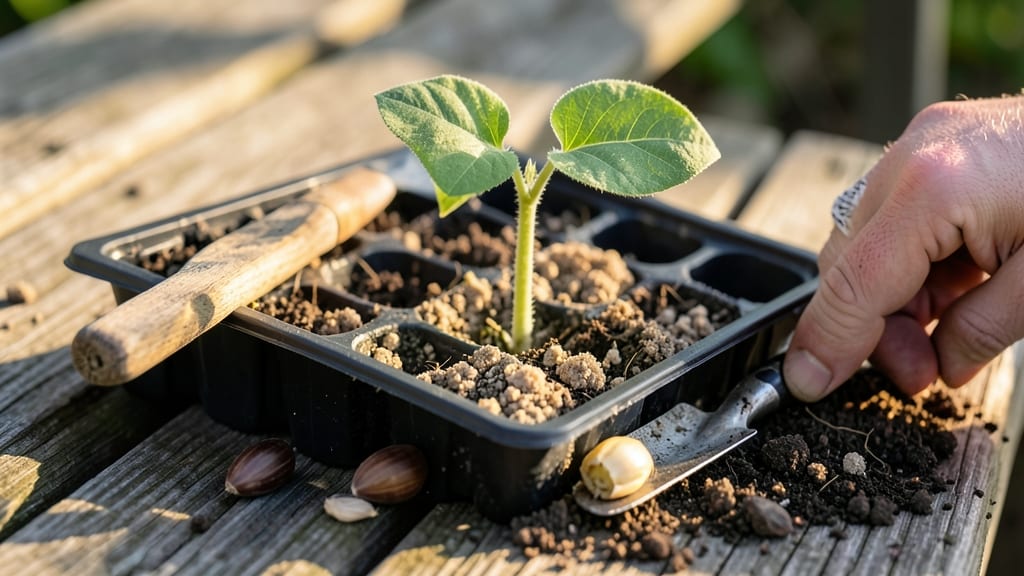
How long does it take sunflowers to sprout? Typically, they sprout in 7–14 days when planted at the right depth and temperature, but timing can shift depending on your variety and soil conditions.
Picture this: you’ve just tucked those tiny 🌻 seeds into the earth, watered them gently, and now you’re waiting—counting the days, checking for the first green shoot. The truth is, germination speed isn’t just about luck; it’s about knowing the right conditions to create.
Too cold, and your seeds might take three weeks or more to break through. Too deep, and they’ll struggle to reach the surface. But get the soil temperature right—between 70–90°F (21–32°C)—and you’ll see those first leaves in as little as a week.
In this guide, I’ll walk you through the exact sprouting timeline for popular sunflower varieties, plus the five critical factors that speed up or slow down germination. You’ll also learn what to do if your seeds aren’t sprouting when they should—and how to troubleshoot common pitfalls before they become problems.
Sunflower germination timeline: when to expect sprouts by variety
Sunflower seeds are known for their fast germination, but timing varies by variety and growing conditions. Most sunflowers sprout within 7–14 days under ideal conditions, though some varieties break the soil in just 3–5 days.
Understanding these differences helps you adjust care and set realistic expectations for your garden. Let’s explore how long each popular variety typically takes to sprout and what factors influence speed.
Temperature plays the biggest role in germination speed. Sunflower seeds need soil temperatures between 70–90°F (21–32°C) to sprout quickly. Cooler soils (50–60°F/10–15°C) can delay germination by 1–2 weeks, while overly hot soils (>95°F/35°C) may cause seeds to rot before sprouting.
Moisture and planting depth also matter—too deep or dry conditions slow down emergence.
🌱
The Teddy Bear and Sunspot varieties are the fastest to sprout, often breaking through the soil in just 3–7 days when conditions are ideal. These dwarf varieties are perfect for beginners or small gardens because they germinate quickly and mature fast.
If you’re growing Mammoth or Russian Giant sunflowers, expect a slightly longer wait—7–14 days—but their impressive height makes it worth the patience.
Depth matters too! Plant sunflower seeds 1 inch deep for optimal germination. Deeper plantings (2+ inches) can delay sprouting by 3–5 days because seeds struggle to push through denser soil. Use a moisture meter or your finger to check soil depth—it should feel damp but not soggy.
Overwatering at this stage can suffocate seeds, while underwatering causes them to dry out.
Light exposure after planting is another key factor. Sunflower seeds don’t need light to germinate, but once they sprout, they should have access to bright, indirect light to prevent leggy seedlings. If you’re starting seeds indoors, place them near a south-facing window or under grow lights for 12–14 hours daily.
Outdoors, thin seedlings to 12–24 inches apart once they’re 2–3 inches tall to ensure they get enough sunlight.
🌿
If your sunflower seeds haven’t sprouted within 2 weeks of planting, don’t panic—yet. First, check if the seeds are still viable by placing a few in a damp paper towel for 3–5 days.
If they don’t sprout, they may be old or stored improperly. Next, verify your soil temperature using a soil thermometer—ideal germination happens between 70–90°F (21–32°C). If your soil is cooler
5 Critical factors that speed up or delay sunflower sprouting
Sunflower seeds are surprisingly sensitive to their environment, and even small changes in conditions can shift your germination timeline from 7 days to three weeks. The good news?
You can control these factors to get those first green shoots popping up faster. Let’s break down the five critical elements that make or break your sunflower sprouting success.
First, soil temperature is the #1 game-changer. Sunflower seeds need warmth to activate—ideally between 70–90°F (21–32°C). If your soil is cooler, like in early spring, germination can drag out for two weeks or more.
On the flip side, if it’s too hot (above 95°F/35°C), the seeds may dry out before sprouting.
Here’s what you need to know about each factor to optimize your sunflower germination:
- 1 7–14 days under ideal conditions (warm soil, proper moisture, right depth)
- 2 Up to 3 weeks in cool soil (50–60°F/10–15°C) or if planted too deep
- 3 3–5 days faster with a heat mat (keeps soil at 80–85°F/27–29°C)
- 4 No sprouting in 2–3 weeks? Check for rot (overwatering) or dry seeds (old or improperly stored)
- 5 Light exposure doesn’t affect germination, but thin seedlings to 6 inches apart once they sprout for best growth
Next up is moisture levels. Sunflower seeds need consistent moisture to germinate, but too much water can suffocate them or cause fungal rot. Aim for evenly moist soil—not soggy.
After planting, water gently to settle the soil, then keep it lightly damp (like a wrung-out sponge) until sprouts appear. Once your seedlings emerge, you can reduce watering slightly to prevent damping-off disease.
Another common mistake? Planting seeds too deep. Sunflower seeds should go in just 1 inch deep. If you bury them deeper than 1.5 inches, they’ll struggle to push through the soil, delaying sprouting by a week or more.
Use your finger to make a small hole, drop the seed in, and cover it lightly—no need to pack the soil down.
Light exposure is often misunderstood—sunflowers don’t need light to germinate, but they do need it once they sprout. Plant seeds in a spot that will get full sun (6+ hours/day) after emergence.
If you’re starting seeds indoors, keep them in a warm, dark place until they sprout, then move them to a sunny windowsill or under grow lights.
Finally, if your seeds aren’t sprouting within 2–3 weeks, don’t give up yet. Test their viability by soaking a few in warm water overnight—if they sink, they’re still good.
If not, it’s time to replant. For faster results next time, consider using a seedling heat mat or starting seeds indoors in late winter to give them a head start.