
Plants
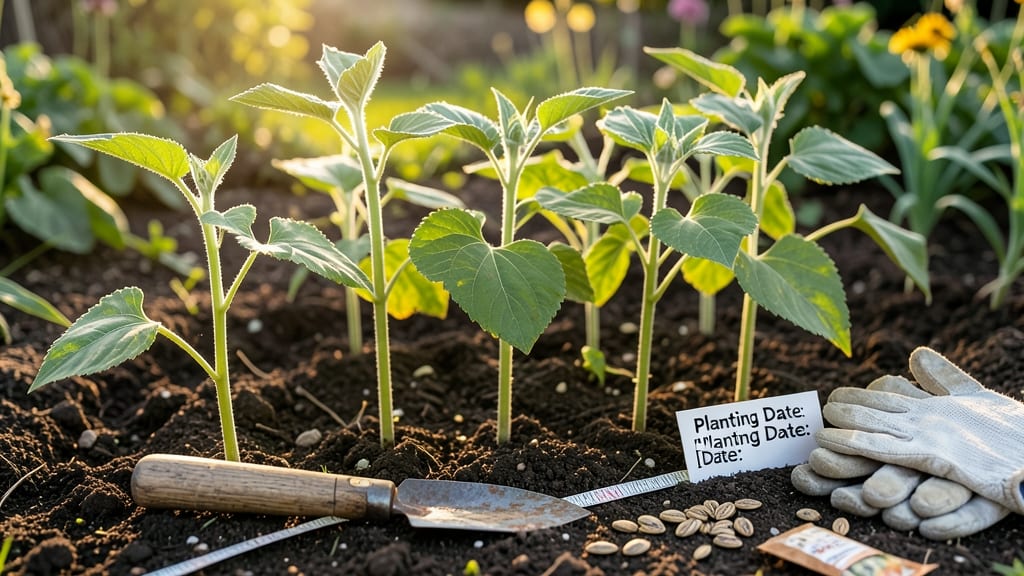
Planting sunflower seeds outside after the last frost date ensures fast germination and towering blooms by summer.
Sunflowers bring joy and beauty to any garden—but planting them at the wrong time means slow growth or worse, no blooms at all. Timing your sunflower seeds perfectly ensures strong, healthy plants that reach their full potential.
In USDA Zone 6a, wait until soil temperatures hit 50°F–60°F—usually mid-April to early May—when frost risk fades and the ground warms enough to trigger sprouting. Planting too early in cold soil can leave seeds sitting dormant for weeks, while waiting too long risks shorter plants before harvest.
Below, I’ll break down the best planting windows by region, how to test soil warmth for faster germination, and the common mistakes that stunt growth—so you end up with sunflowers 🌻 that rival your neighbor’s, not wilting seedlings.
Best planting times for sunflower seeds by US growing Zones
Sunflowers thrive when planted after the last frost date and when soil temperatures reach at least 50°F. These conditions ensure faster germination and stronger stems. In cooler zones, early spring planting risks frost damage, while late spring gives plants enough time to mature before fall frost.
Let's break down the ideal planting windows by USDA growing zones to maximize your sunflower's success.
Your local climate plays a crucial role in determining the perfect time. For example, gardeners in Zone 3-5 should wait until late May, while those in Zone 8-10 can start as early as March.
The key is balancing warm soil with a long enough growing season to reach maturity. Let's explore the best times for each zone in our comparison below.
🌱 Pro Tip: Use a soil thermometer to confirm temperatures before planting. Sunflower seeds won't sprout below 50°F, even if the air feels warm.
| USDA Zone | Ideal Planting Window | Soil Temp Requirement | Frost Risk Notes |
|---|---|---|---|
| Zone 3-4 | Late May to early June | 55°F+ (wait for warm soil) | High frost risk; plant after May 15 |
| Zone 5-6 | Mid-April to mid-May | 50°F+ (minimum for germination) | Moderate risk; avoid early April |
| Zone 7-8 | March to early April | 50°F+ (earlier in Zone 8) | Low risk; can plant as early as February in Zone 8 |
| Zone 9-10 | January to March | 50°F+ (soil warms quickly) | Minimal frost; plant early |
In Zones 3-4, where frost lingers late, planting sunflower seeds in late May ensures they have enough time to grow tall before the first frost. I've seen dwarf varieties like 'Teddy Bear' thrive in these zones when planted by June 1st, producing blooms by August.
For taller varieties, aim for late May to give them a full growing season.
Gardeners in Zones 5-6 have more flexibility, with ideal planting times spanning from mid-April to mid-May. The last frost date is critical here—wait until after May 1st in Zone 5 to avoid frost damage to young seedlings.
I recommend marking your calendar for the average last frost date in your area and planting 2 weeks after.
For Zones 7-8, you can start as early as March, but soil temperature is the real deciding factor. Use a soil thermometer to confirm the ground has warmed to at least 50°F.
In Zone 8, I've had success planting sunflower seeds in February if the soil is warm enough. This early start gives plants a head start for longer growing seasons and bigger blooms.
In Zones 9-10, sunflowers can be planted year-round, but the best time is January to March. The mild winters mean minimal frost risk, and the warm soil triggers quick germination.
I've grown giant sunflowers like 'Mammoth' in Zone 10 by planting in January, with blooms appearing as early as April. The key is ensuring consistent moisture during the dry months.
If you're unsure about your last frost date, check with your local cooperative extension office or use a frost calendar app. Planting too early in cooler zones risks frost damage to young seedlings, while planting too late may result in smaller blooms or no flowers at all.
Always err on the side of waiting for warmer soil rather than rushing the process.
For extended growing seasons, consider planting a second batch of seeds in late summer (August) for fall blooms. This works best in Zones 7-10 where the frost-free period is longer.
I've grown late-season sunflowers in Zone 8 that bloomed in October, adding color to the garden just before winter sets in.
Remember, sunflowers are fast growers—some varieties reach maturity in just 80 days. By aligning your planting time with your local climate and soil temperature, you'll give your sunflowers the best chance to thrive and reward you with vibrant blooms all season long. 🌻
How to test soil temperature for faster sunflower germination
Testing soil temperature is the secret to unlocking fast sunflower germination. While air temperatures might feel warm, the ground often stays cold—especially in early spring. Sunflower seeds need soil that's at least 50°F–60°F to sprout reliably.
Without proper warmth, seeds may rot, mold, or simply sit dormant for weeks, wasting your time and effort. I've learned this the hard way by planting too early in chilly soil, only to see my seeds fail to emerge.
Professional gardeners use soil thermometers to check temperatures at the right depth—typically 1–2 inches below the surface, where seeds are planted. These tools are accurate and affordable, but if you don’t have one, there are DIY alternatives that work surprisingly well.
The key is consistency: test soil temperatures for 3–5 days in a row to confirm a stable trend before planting.
- Use a soil thermometer (digital or analog) for precise readings at 1–2 inches deep.
- Check temperatures morning and evening—soil cools at night and warms by day.
- For DIY testing, press your finger into the soil—if it feels cool but not icy, it’s likely 50°F–60°F.
- Observe local wildlife: bees and butterflies active on warm soil = ideal temps.
- Plant test seeds in a small patch first—if they sprout in 7–10 days, your soil is ready.
If you're using a soil thermometer, insert the probe horizontally into the soil at the depth where you’ll plant your seeds (about 1 inch deep). Wait 30 seconds for the reading to stabilize, then record the temperature.
Repeat this process for 3–5 days to account for daily fluctuations. I’ve found that soil temperatures can vary by 10°F or more between morning and evening, so consistency is key.
For a no-tools approach, try the "finger test": press your finger into the soil. If it feels cool but not icy and you can hold your hand there comfortably for 10 seconds, the soil is likely in the 50°F–60°F range. Another trick is to watch for wildlife activity.
Bees, butterflies, and even ants are more active when soil temperatures rise, signaling it’s time to plant. I’ve also noticed that morning dew evaporates faster on warmer soil, which is a subtle but reliable indicator.
Once your soil hits the ideal 50°F–60°F range, plant your sunflower seeds 1 inch deep and keep the soil moist but not soggy. Watering lightly after planting helps maintain soil warmth and triggers germination faster.
I’ve seen seeds sprout in just 5–7 days when planted in warm, moist soil, compared to 2–3 weeks in cooler conditions. The difference is night and day—and so is your garden’s success!
Remember, patience is crucial. Even if your soil feels warm, wait until temperatures are consistently above 50°F for at least 3 days before planting. Rushing can lead to slow germination or even seed rot.
With the right soil temperature, your sunflowers will reward you with strong, healthy growth and stunning blooms by summer. 🌻