
Planting
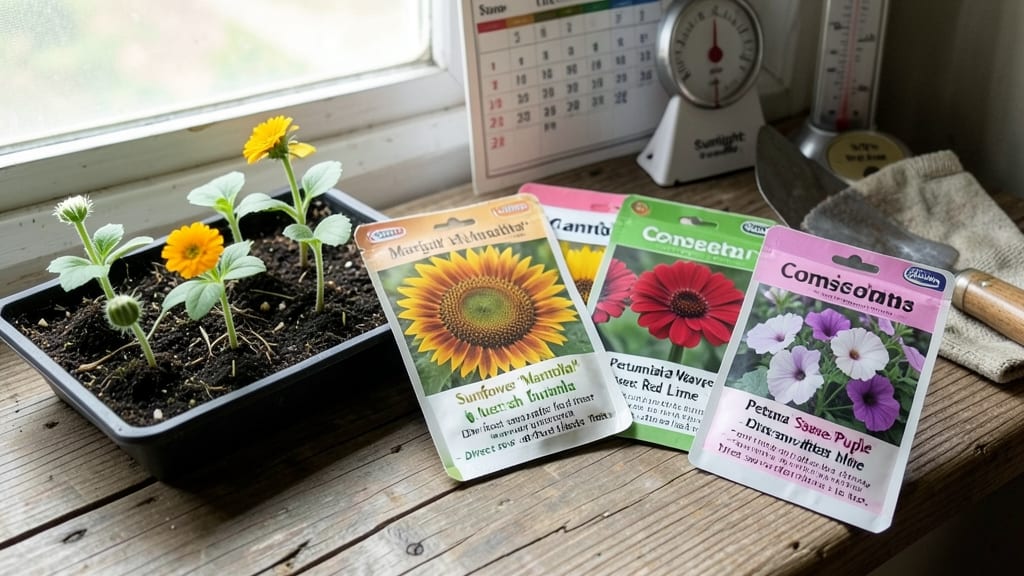
Planting flower seeds at the best time ensures fast germination and vibrant blooms—soil temperature is the real game-changer most gardeners miss.
Picture this: you’ve prepped your soil, chosen the perfect 🌸 varieties, and even marked your calendar. But if the ground is still too cold, your seeds will just sit there, waiting for conditions that never arrive. That’s why knowing when to plant isn’t just about the calendar—it’s about the thermometer.
In USDA Zone 6a, like many temperate regions, the ideal window opens after the last frost (around mid-April for most areas) when soil reaches 60°F. But here’s the catch: some flowers, like snapdragons, need even warmer soil to thrive, while others, like sweet peas, can handle cooler temps.
Get it wrong, and you’re staring at a garden full of dirt instead of blooms.
Below, I’ll break down the exact soil temps for your favorite flowers, how to test warmth without fancy tools, and the fastest tricks to jumpstart germination—no waiting required.
Optimal soil temperature ranges for fast flower seed germination
Soil temperature is the silent hero of seed germination—too cold, and your seeds nap indefinitely; too hot, and they bolt or rot. Most flower seeds need consistent warmth to break dormancy, but the ideal range varies wildly.
For example, marigolds and zinnias sprout best at 70–80°F, while snapdragons and petunias prefer a cooler 60–70°F. Understanding these thresholds helps you time plantings precisely for faster blooms.
Cold-sensitive seeds like geraniums and cosmos won’t germinate below 55°F, even if the air feels warm. Meanwhile, heat-loving bulbs such as gladiolus or canna lilies need soil temps above 75°F to avoid stunted growth. Skipping this step often leads to uneven sprouting or wasted seed packets.
Here’s how to test your soil’s warmth accurately—because guessing leads to disappointment. A simple soil thermometer (just $10 at garden centers) gives real-time readings. For a DIY method, bury a thermometer in a cup of water in the garden for 30 minutes; the reading will match soil temp.
Pro tip: Check temps at midday when soil is warmest, not in the morning chill.
Now, let’s break down the critical temperature ranges for popular flowers—because not all seeds are created equal. The table below shows ideal soil temps, minimum thresholds, and common pitfalls for each type. Bookmark this for your next planting session!
Cold soil is the #1 reason seeds fail to sprout. If your thermometer reads below the minimum threshold, delay planting or use a seedling heat mat ($15–$25) to raise temps by 10–15°F.
For example, if your soil is 50°F but you’re planting marigolds (need 55°F), a heat mat bridges the gap until natural warming kicks in.
Ever wondered why some seeds sprout in days while others take weeks? The answer lies in enzyme activity inside the seed. Warmth speeds up metabolic processes, but extreme heat (above 90°F) can denature enzymes, killing the seed before germination.
That’s why shade cloth or morning planting helps in hot climates—it prevents soil from overheating.
For bulbs and tubers, soil temp matters even more because they often need a cold stratification period followed by warmth. For instance, tulip bulbs should experience 40–50°F soil for 8–12 weeks before spring planting.
Skipping this step results in floppy stems or no blooms at all. A DIY cold frame (clear plastic over a wooden box) mimics winter conditions perfectly.
Pro move: Keep a garden journal to track soil temps and germination success. Note the exact date you planted, the soil temp at planting, and when sprouts appeared.
Over time, you’ll spot patterns—like “My zinnias always sprout faster after Memorial Day”—and adjust future plantings for faster, more reliable blooms.
Remember, soil temp ≠ air temp. A 70°F afternoon might feel perfect, but your soil could still be 50°F if it’s been cloudy or rainy. Always test the soil, not the air, to avoid costly mistakes. With this knowledge, you’ll go from guessing to growing like a pro.
How to adjust planting time for your climate Zone (with month-by-month guide)
Your USDA climate zone dictates the perfect window for planting flower seeds, but not all flowers thrive on the same schedule. For example, USDA Zone 3 gardeners face a shorter growing season compared to Zone 10, where frost is rare.
The key is aligning your planting with local frost dates and soil warmth—because even the hardiest seeds won’t sprout if the ground is too cold.
I’ve broken down the month-by-month planting calendar for zones 3-10, including when to start seeds indoors for a head start. Pro tip: Use your last frost date as your anchor—most annuals need 2-3 weeks of warm soil before transplanting outdoors.
For perennials, timing matters even more since they establish roots for years.
- Zone 3-4: Start cool-season flowers (like pansies) indoors by March 1. Direct-sow after May 15 when soil hits 50°F. Use row covers to extend the season.
- Zone 5-6: Begin warm-season seeds (marigolds, zinnias) indoors April 1. Transplant outdoors after May 20 when soil reaches 60°F. Fall planting for perennials starts August 1.
- Zone 7-8: Sow directly outdoors from March 15 (cool flowers) to June 1 (warm flowers). Fall planting for bulbs begins September 1.
- Zone 9-10: Plant year-round with two peaks: February-March (cool season) and August-September (fall blooms). Use shade cloth in summer to protect seedlings.
For heat-tolerant varieties like sunflowers or cosmos, zone 9-10 gardeners can plant as early as February, while zone 3-4 should wait until late May to avoid frost damage.
The trick is to match the seed packet’s recommended soil temperature with your local conditions—most packets list ideal ranges like 60-70°F for warm-season flowers.
Indoor seed-starting is your secret weapon for early blooms. For example, in Zone 6a, start petunias indoors by March 1 (8 weeks before last frost) to enjoy summer blooms. Use grow lights if natural light is limited—seeds need 12-16 hours of light daily to germinate properly.
Don’t forget about fall planting! Many perennials, like black-eyed Susans, benefit from being sown in late summer (4-6 weeks before first frost). This gives roots time to establish before winter.
In Zone 7, aim for August 15; in Zone 10, you can extend planting into November.
Use your local cooperative extension service for precise frost dates—these vary by 1-2 weeks even within the same zone. For example, Denver (Zone 5) has a later last frost than Boulder, just 20 miles away. Adjust your calendar accordingly, and you’ll avoid the heartbreak of frost-nipped seedlings.