
Propagation
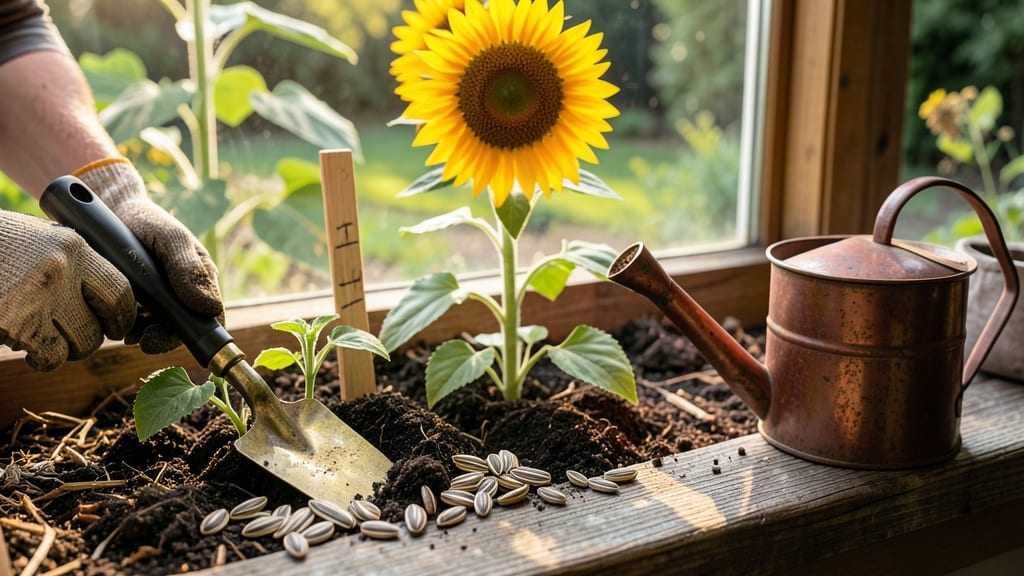
Planting sunflower seeds outdoors in spring is your ticket to towering 🌻 stalks that attract pollinators and fill your garden with golden blooms.
But here’s the catch: Get the depth or spacing wrong, and you’ll end up with weak stalks or crowded plants that struggle to reach their full potential. I’ve seen 14-foot giants flop over because of a simple planting mistake—and you can avoid that with the right technique.
Sunflowers thrive in full sun and well-drained soil, but the real secret lies in the details: planting just 1 inch deep, spacing seeds 12–24 inches apart, and giving them room to breathe.
Below, I’ll walk you through every step, from soil prep to post-planting care, so your sunflowers grow strong and proud.
You’ll also discover how to troubleshoot common issues like overcrowding or poor drainage, plus tips to ensure your sunflowers support local pollinators and even produce edible seeds. Let’s get those seeds in the ground the right way!
Optimal sunflower seed planting depth & spacing for maximum growth
Sunflowers thrive when planted at the right depth and spacing, which directly impacts their stalk strength and bloom size. Too shallow or too deep can stunt growth, while poor spacing leads to competition for nutrients and light.
Let’s dive into the science-backed guidelines to ensure your sunflowers reach their full potential—whether you’re growing dwarf varieties or towering giants.
Most sunflower seeds should be planted at a ¼–1 inch depth in well-drained soil. This depth ensures the seed stays moist enough to germinate while preventing rot from over-saturation. For larger seeds or cooler climates, aim for the 1-inch mark to protect against temperature fluctuations.
Think of it like tucking the seed into a cozy blanket—just enough coverage to stay safe but not suffocated.
When it comes to spacing between plants, the general rule is 12–24 inches apart in rows. Dwarf varieties (2–4 feet tall) can handle the closer end of this range (12–16 inches), while giant varieties (8–14 feet tall) need 20–24 inches to avoid overcrowding.
Proper spacing reduces competition for sunlight and nutrients, allowing each plant to develop a stronger stalk and larger bloom.
For row spacing, maintain 2–3 feet between rows to improve airflow and make maintenance easier. This distance also helps prevent soil-borne diseases by reducing humidity around the plants.
If you’re growing sunflowers in a small garden or containers, consider trellising or staking taller varieties to save space while still meeting their growth needs.
| Variety Type | Planting Depth | Plant Spacing | Row Spacing | Mature Height |
|---|---|---|---|---|
| Dwarf | ¼–½ inch | 12–16 inches | 18–24 inches | 2–4 feet |
| Semi-Dwarf | ½–1 inch | 16–20 inches | 24–30 inches | 4–8 feet |
| Standard | 1 inch | 20–24 inches | 30–36 inches | 8–14 feet |
Proper planting depth isn’t just about moisture—it’s also about germination efficiency. Seeds planted too shallow may dry out before sprouting, while seeds buried too deep struggle to reach the surface.
Use your finger to create a small hole, place the seed inside, and cover it with soil, gently pressing to secure it. This method ensures consistent depth across your entire planting area.
Spacing also plays a critical role in pest management. Overcrowded sunflowers attract more pests like aphids and spider mites because dense foliage creates a humid microclimate. By giving each plant enough room to breathe, you reduce pest pressure and improve overall plant health.
Plus, adequate spacing makes it easier to monitor for early signs of disease or nutrient deficiencies.
If you’re growing sunflowers in containers or small gardens, consider planting them in blocks rather than rows. This arrangement maximizes sunlight exposure and makes the most of limited space.
For example, plant 3–4 dwarf sunflowers together in a 12-inch pot, ensuring each has at least 6 inches of space between neighbors. This technique mimics natural spacing while adapting to urban gardening constraints.
One common mistake is assuming all sunflower seeds are the same size. Giant varieties like ‘Mammoth’ or ‘Russian Giant’ have larger seeds and may require slightly deeper planting (1 inch) compared to smaller varieties.
Always check the seed packet for specific recommendations, as some hybrids are bred for unique growing conditions. When in doubt, err on the side of shallower planting to avoid damping-off disease.
Finally, remember that sunflowers are heavy feeders and benefit from well-amended soil. Before planting, mix in compost or aged manure to provide essential nutrients. After planting, mulch around the base to retain moisture and suppress weeds, which can compete with your sunflowers for resources.
With the right depth, spacing, and care, your sunflowers will reward you with vibrant blooms and tall, sturdy stalks that turn heads in your garden.
Step-by-step sunflower planting process for beginners
Planting sunflower seeds outdoors is easier than you think, but timing and technique make all the difference. Spring is the perfect season—after your last frost date—when soil warms to at least 60°F (15°C).
I’ve planted hundreds of sunflowers, and the ones that thrive follow this simple timeline. Whether you’re growing dwarf varieties for containers or giant sunflowers for pollinators, these steps ensure strong, healthy growth from day one.
Sunflowers love well-drained soil rich in organic matter, but they’re surprisingly low-maintenance once established. The key is getting the depth and spacing right to prevent overcrowding and fungal diseases.
Below, I’ll break down the process into clear, actionable steps—from soil prep to post-planting care—so you can avoid common pitfalls and enjoy sunflowers that reach their full potential.
Select a spot with full sun (6+ hours daily) and well-drained soil. Sunflowers wilt in soggy soil, so avoid low-lying areas where water pools.
Loosen soil to 12 inches deep with a garden fork. Mix in 2–3 inches of compost to improve fertility and drainage. Test pH—sunflowers thrive in 6.0–7.5.
Plant seeds 1 inch deep and 12–24 inches apart (closer for dwarfs, farther for giants). Press lightly to ensure soil contact for moisture.
Water 1–2 gallons per plant to settle soil. Keep soil consistently moist (not soggy) until seeds sprout, which takes 7–14 days in warm soil.
Once seedlings are 3–4 inches tall, thin to 12–24 inches apart to prevent competition. Snip extra plants at soil level with scissors.
If starting indoors, harden off seedlings for 5–7 days before transplanting. Choose overcast days to reduce stress, and water thoroughly after moving.
Water deeply 2–3 times per week (more in summer heat). Add mulch to retain moisture and suppress weeds. Fertilize lightly with 10-10-10 when flowers appear.
Timing is everything when planting sunflowers outdoors. In USDA Zone 6a, aim to plant seeds 2–4 weeks after your last frost date (typically mid-April). If you’re in a warmer climate, you can plant as early as March, but avoid frost-sensitive varieties.
Pro tip: Use black plastic mulch to warm soil faster in cooler regions.
Sunflowers are drought-tolerant once established, but young seedlings need consistent moisture to avoid stress. I’ve seen weak stalks from uneven watering, so always water at the base (not the leaves) to prevent fungal diseases like powdery mildew. A drip irrigation system works best for large patches.
One of my favorite tricks? Plant sunflowers near bush beans or marigolds to deter pests like sunflower moths. The beans fix nitrogen in the soil, while marigolds repel harmful insects. By following these steps, you’ll set your sunflowers up for healthy growth and vibrant blooms all season long.