
Blooming
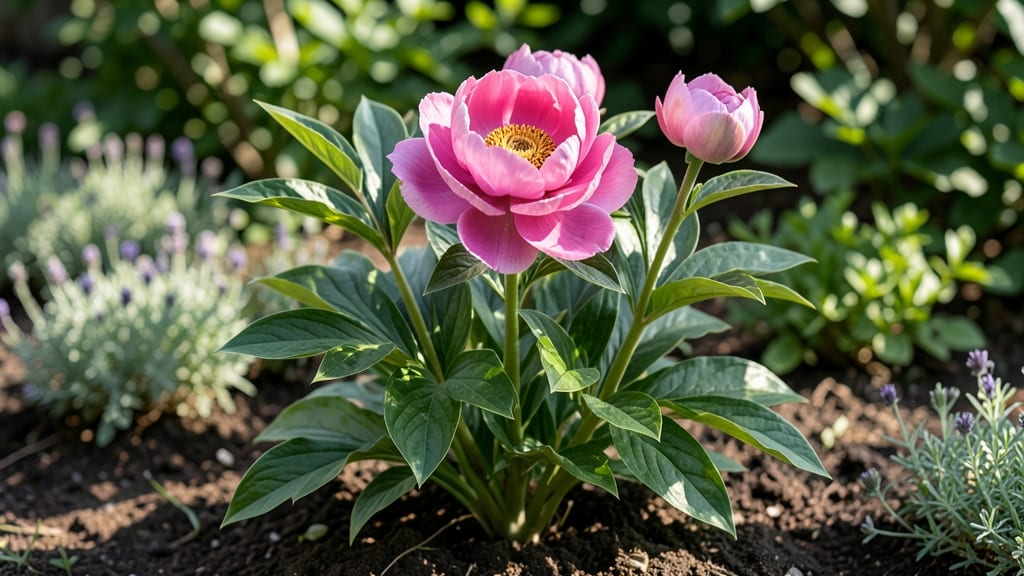
The peony flower blooming season brings months of stunning 🌸 beauty—but only if you time it right. Picture this: you’ve waited all winter for those lush, fragrant blooms, only to realize they’re fading before you’ve even snapped a photo.
Peonies thrive in USDA Zone 6a and beyond, but their exact bloom window shifts depending on where you live. In cooler regions, they burst into color as early as late April, while southern gardeners might not see them until June.
Missing the mark means shorter displays and fewer cut flowers for your vase.
This guide breaks down the exact months for peak blooms in your zone, plus proven tips to stretch their season. Whether you’re planting for the first time or looking to extend last year’s glory, you’ll learn how to keep those show-stopping blooms lasting longer.
From early bloomers like ‘Sarah Bernhardt’ to late-season stars like ‘Bowl of Beauty,’ we’ll cover the varieties that fit your climate—and how to give them the care they need to shine all season long.
Peony blooming season by USDA zone: exact months for peak flowering
Timing is everything when it comes to peony blooms—these showstoppers unfurl their velvety petals in a 3-4 week window that shifts dramatically across the U.S. Whether you're in frost-prone Zone 3 or balmy Zone 10, knowing your exact bloom window ensures you don't miss a single rosy spectacle.
Microclimates and elevation can push these windows even earlier or later, so let's break it down by zone with precise months to mark on your calendar.
Peonies are cold-hardy perennials that rely on winter chilling to trigger spring blooms, but heat stress in warmer zones can shorten their display. In cooler regions, late frosts might delay opening, while southern gardeners often see earlier blooms followed by quicker fading.
The key to maximizing your peony's performance? Understanding your zone's average last frost date and adjusting care accordingly.
Here’s the zone-by-zone breakdown of when peonies typically bloom, including early, mid, and late varieties that can extend your viewing window by weeks. Use this as your guide to plan strolls through your garden or schedule cuttings for vase arrangements.
In Zones 3-4, where winters are harsh, peonies often bloom later to avoid frost damage, typically between late May and early June. Varieties like 'Sarah Bernhardt' are early risers, while 'Bowl of Beauty' stretches the season into June.
If you're in these zones, watch for last frost dates—planting near a south-facing wall can push blooms forward by up to 10 days.
Gardeners in Zones 5-6 enjoy a mid-May to late May window, with 'Coral Charm' leading the charge in May. Here, elevation plays a role: mountainous areas may bloom 2 weeks earlier than valley gardens.
To extend the show, choose late-blooming varieties like 'Duchesse de Nemours' and provide afternoon shade during heatwaves.
Warmer Zones 7-8 see peonies awaken as early as April, with 'Karl Rosenfield' often the first to bloom. By mid-May, most varieties have finished, but strategic mulching can delay wilting.
In these zones, heat stress is the enemy—water deeply in the morning to keep roots cool and consider white mulch to reflect sunlight.
Southern gardeners in Zones 9-10 have the earliest blooms, starting as soon as February with 'Bartzella'. However, the heat arrives quickly, so partial shade and consistent moisture are critical. Plant peonies near deciduous trees to filter afternoon sun during peak bloom months.
Regardless of your zone, microclimates can shift bloom times by weeks. A sunny, sheltered spot might bloom 10-14 days earlier than a shady corner. For example, peonies in Zone 6 near a brick wall could bloom in early May, while those in a low-lying area might wait until late May.
Use these variations to your advantage by planting early and late varieties side by side.
Pro tip: Mark your calendar for bud break (when buds swell to the size of a grape). This happens 4-6 weeks before blooming and is your first sign that the show is about to begin.
In Zones 3-5, bud break occurs in April, while in Zones 7-10, it can start as early as February.
To ensure your peonies perform at their best, plant them in full sun (6+ hours daily) and amend soil with compost before winter. Avoid over-fertilizing with nitrogen—this encourages leafy growth over blooms. Instead, use a balanced fertilizer (5-10-10) in early spring to support flower production.
With this zone-specific guide, you’ll never miss the magical moment when your peonies burst into color. Whether you're in the frosty north or sunny south, timing your care and variety choices ensures a longer, more spectacular bloom season every year.
How to extend peony bloom time: proven tips for longer-lasting flowers
Peonies burst into bloom with dramatic flair, but their season feels all too brief—especially when you’ve waited all year for those lush, fragrant blooms. The secret to extending their display lies in a few simple yet strategic adjustments.
I’ve learned that delaying bud opening, protecting them from early heat stress, and maximizing their vase life can add weeks of beauty to your garden.
One of my favorite tricks is pruning buds strategically to synchronize blooming. By pinching back the largest buds in late spring, you encourage smaller buds to open later, creating a staggered display that lasts longer.
This method works especially well for late-season varieties like 'Bowl of Beauty,' which naturally bloom later in the year.
- 🌱 Prune buds to delay opening by 1-2 weeks
- 💧 Water deeply in morning to prevent heat stress
- 🪴 Mulch heavily (4-6 inches) to regulate soil temp
- 🌿 Fertilize lightly with high-phosphorus (5-10-10) in early spring
- ✂️ Deadhead spent blooms to redirect energy to foliage
Another game-changer is mulching with organic matter like straw or shredded leaves. A thick layer (4-6 inches) keeps soil temperatures stable, preventing the sudden heat spikes that cause buds to open prematurely and wilt.
In my Zone 7 garden, this simple step has added 10-14 days to my peonies’ bloom time each year.
For vase life, I swear by cutting stems at an angle just before arranging them. Add a drop of bleach (1 part bleach to 4 parts water) to the vase water to prevent bacterial growth.
Change the water every 2-3 days and trim stems again—this keeps them fresh for up to 2 weeks instead of the usual 5-7 days.
Don’t overlook the power of shade cloth during extreme heat waves. Lightweight shade (30-50%) can protect blooms from wilting, especially for southern gardeners in Zones 8-10. I’ve seen peonies last nearly twice as long when shielded from afternoon sun during heatwaves.
With these techniques, you’ll transform your peonies from fleeting spring stars into long-lasting garden showstoppers. The key is consistency—prune, mulch, water wisely, and protect from heat. Your future self will thank you when those fragrant blooms keep gracing your garden well into summer. 🌿