
Flowers
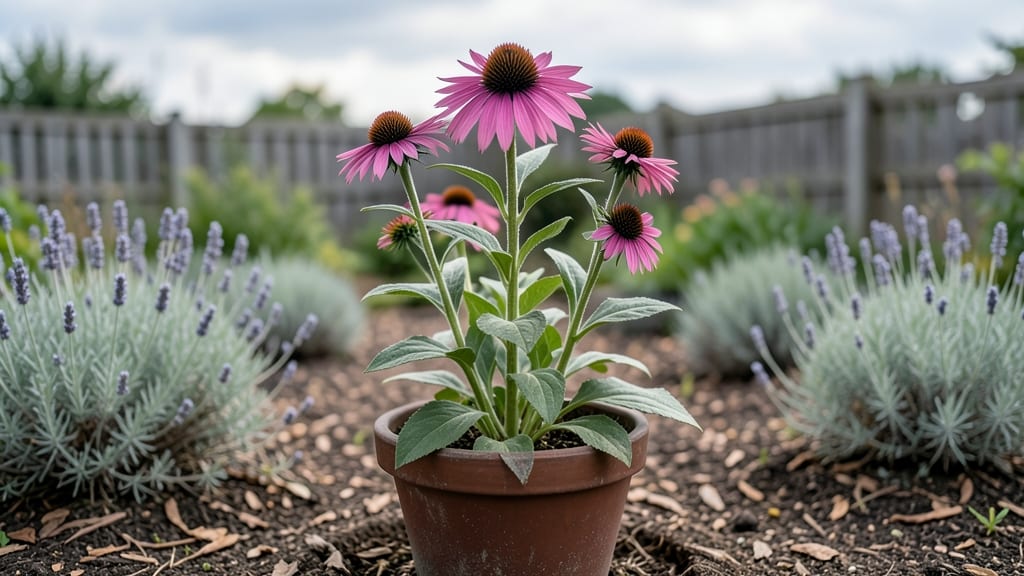
Coneflowers grow between 1 and 5 feet tall, depending on the variety and growing conditions, making them a versatile choice for almost any garden design.
Picture this: a 3-foot-tall 'Magnus' coneflower 🌼 standing proudly in your border, its purple blooms drawing hummingbirds and butterflies while adding structure to your landscape. But what if you have limited space?
Dwarf varieties like 'White Swan' stay compact at just 1 to 2 feet, perfect for containers or the front of a flowerbed.
Understanding these height ranges is the key to creating a balanced garden. Tall varieties work as focal points or backdrops, while shorter ones fill gaps or frame pathways. The right spacing ensures air circulation, which keeps your coneflowers healthy and blooming for months.
In this guide, I’ll break down the height differences between popular varieties, show you how to pair them with other plants for maximum impact, and share tips for controlling height when needed—so you can design a garden that’s as functional as it is beautiful.


Coneflower height guide: comparing popular varieties by mature size
Coneflowers (Echinacea) are a gardener’s dream—they thrive in tough conditions, attract pollinators, and come in a stunning range of heights. But not all varieties reach the same towering glory. Some stay short and neat, while others grow tall enough to rival Joe Pye weed or black-eyed Susans.
The height you choose determines where you plant them: front borders, middle layers, or dramatic backdrops.
For example, the classic Echinacea purpurea (like 'Magnus') can soar to 4 to 5 feet, while Echinacea pallida varieties like 'White Swan' max out at just 1 to 2 feet. These differences aren’t just about aesthetics—they impact spacing, air circulation, and even whether you’ll need to stake them.
Let’s break down the most popular varieties by height so you can pick the perfect fit for your garden.
| Variety | Mature Height | Spacing | Best For | Comparison |
|---|---|---|---|---|
| 'Magnus' | 4–5 ft | 18–24 in apart | Back of borders, pollinator gardens | Taller than a standard kitchen counter |
| 'White Swan' | 1–2 ft | 12–18 in apart | Front of borders, containers | Same height as a small shrub |
| 'Green Envy' | td style="padding: 10px; border-bottom: 1px solid #95904c;">2–3 ft15–18 in apart | Middle layers, meadow gardens | Taller than a standard pot | |
| 'Hot Papaya' | 3–4 ft | 18–24 in apart | Back of borders, cut flower gardens | Eye-level for average adults |
| 'Purple Beauty' | 2–3 ft | 15–18 in apart | Pollinator gardens, wildflower mixes | Slightly taller than a standard tomato plant |
| 'Sombrero Salsa' | 1.5–2.5 ft | 12–15 in apart | Containers, small gardens | Perfect for window boxes |
| 'Cheyenne Spirit' | 3–4 ft | 18–24 in apart | Backdrop plants, tall borders | Taller than a standard mailbox |
| 'White Lustre' | 2–3 ft |
How coneflower height affects garden design and plant pairingsConeflowers aren’t just beautiful—they’re architectural stars in your garden. Their height determines whether they become the backbone of your border, a container centerpiece, or a pollinator magnet in meadow-style plantings. A 4-foot 'Magnus' can anchor a sunny perennial bed, while a 1.5-foot 'White Swan' adds delicate texture to a front-row display. The key is matching their mature height to your design goals and pairing them with plants that complement their stature. Tall coneflowers (3–5 feet) thrive when planted behind shorter perennials like black-eyed Susans or Russian sage, creating a layered effect that draws the eye deeper into your garden. Shorter varieties (1–2 feet) work beautifully in containers or as edging plants, framing pathways or stepping stones. The secret? Strategic spacing—give tall varieties room to sway without crowding, while dwarf types can be planted just 12 inches apart for a lush, continuous look. Here’s how to use coneflower height to elevate your garden design, with my top pairings for every stature:
Pro tip: If you love tall coneflowers but have limited space, try staking or pruning to control height without sacrificing blooms. For example, cutting back 'Magnus' by ⅓ in early summer encourages bushier growth and prevents flopping. In containers, choose dwarf varieties like 'White Swan' and mix them with trailing plants like lobelia or fuchsia for a cascading effect. Remember, coneflowers aren’t just about height—they’re about structure and movement. Their ruffled petals and upright cones add vertical interest, while their long bloom season keeps your garden lively from summer through fall. By playing with height and pairings, you’ll create a dynamic, pollinator-friendly space that’s as functional as it is stunning. Start small with a 3-foot 'Kim’s Knee High' in a pot, or go bold with a 5-foot 'Hot Papaya' as a centerpiece. Your garden’s height game just got an upgrade! 🌼 |