
Blooming
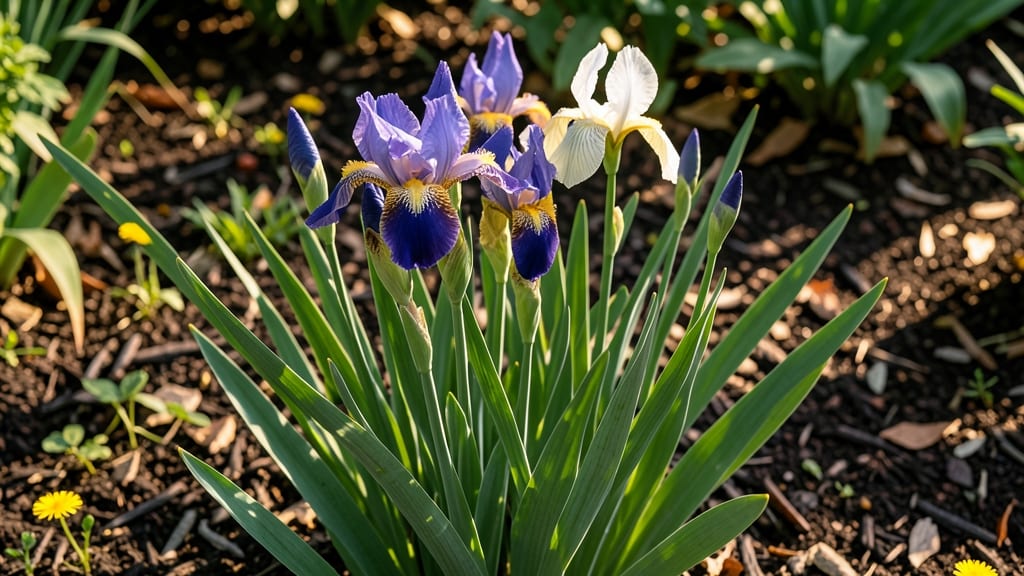
Iris flowers bloom in late spring, typically between April and May, though timing shifts dramatically depending on your climate zone and variety.
If you’ve ever planted irises hoping for a burst of vibrant color—only to be met with silence from your garden—timing is everything. Understanding when iris flowers bloom isn’t just about aesthetics; it’s about maximizing your garden’s potential and avoiding missed opportunities for stunning displays.
In cooler zones like 6a, Siberian irises often kick off the show in early April, while Japanese irises may linger into June. Warmer climates can see blooms as early as March, and some varieties even rebloom in late summer with the right care.
Here’s how to predict bloom windows, adjust care for your zone, and plan your garden around these show-stopping flowers—so you never miss another season.
Iris flower blooming seasons by U.s. climate Zones
Irises are one of the most rewarding flowers to grow, offering bold colors and long-lasting blooms—but only if you plant them at the right time. Their bloom season varies dramatically across U.S. climate zones, with early spring bloomers in warm regions and late spring displays in cooler areas.
Understanding these patterns helps you plan your garden for maximum impact and avoid disappointment.
Most irises bloom between April and June, but the exact timing depends on your USDA hardiness zone and the specific iris variety. For example, Siberian irises often bloom 2-3 weeks earlier than bearded irises, while Japanese irises prefer the cooler temperatures of late spring.
Even within the same zone, regional microclimates can shift bloom times by 1-2 weeks.
Here’s a quick reference for iris bloom seasons across Zones 3-10, including early, mid, and late-season varieties to extend your garden’s color palette.
In Zones 3-4, where winters are harsh, irises often wait until late April or early May to bloom. Siberian irises are the first to emerge, followed by bearded irises in May.
If you’re in Zone 4 and want earlier color, consider planting dwarf varieties like 'Little Star' or 'Katherine Hodgkin,' which can bloom as early as April.
Gardeners in Zones 5-6 enjoy a longer bloom window, with Spanish irises often flowering in March if planted in sheltered microclimates.
The key to extending their season here is to deadhead spent blooms and fertilize lightly in early spring. Louisiana irises, with their dark, velvety petals, thrive in these zones and add late-season interest.
For those in Zones 7-8, where summers can be brutal, reblooming bearded irises are a game-changer. These varieties, like 'Blue Flag' or 'White Swirl,' can produce two bloom cycles per year—once in spring and again in fall. To encourage reblooming, ensure
How to extend iris blooming season with simple gardening tips
Iris flowers typically bloom for just 2-3 weeks in late spring, but with the right care, you can stretch that display into 6+ weeks or even coax a second bloom later in summer. The secret lies in mimicking their natural growing conditions while avoiding common pitfalls that shorten their season.
Start by selecting reblooming varieties like Louisiana irises or reblooming bearded irises, which are bred to produce flowers twice a year. Pair these with proper soil preparation and light management to create an environment where your irises feel comfortable pushing out buds repeatedly.
🌸 Extend Your Iris Blooms: Key Strategies
- 1. Soil Prep: Amend with bone meal (high phosphorus) in early spring to fuel blooms. Irises thrive in sandy, well-draining soil with a pH of 6.0-7.0.
- 2. Light Optimization: Ensure 6+ hours of direct sun daily. Partial shade can delay blooming and weaken stems.
- 3. Deadheading: Remove spent blooms immediately to redirect energy to new buds. Never cut leaves—they feed next year’s flowers.
- 4. Watering: Water deeply once a week (more in drought). Avoid soggy soil, which causes rhizome rot.
- 5. Variety Selection: Choose reblooming types like 'Florence' or 'Imagination' for extended displays.
After blooms fade, resist the urge to trim leaves—even if they look ragged. These fan-shaped leaves photosynthesize all season, storing energy for next year’s flowers. Only cut back brown, crispy leaves in late fall or early winter to prevent disease.
For a second bloom in late summer, fertilize lightly with low-nitrogen food (like 5-10-10) after the first flush. Water consistently but reduce frequency in late summer to encourage dormancy, which triggers reblooming in many varieties.
Protect your irises from overcrowding—dig up and divide clumps every 3-4 years in early fall. This rejuvenates plants and prevents bloom decline. Space rhizomes 12-24 inches apart with the top 1/3 exposed to sunlight.
With these simple adjustments, your irises can reward you with colorful displays from spring through summer, turning your garden into a year-round showstopper. 🌿