
Blooming
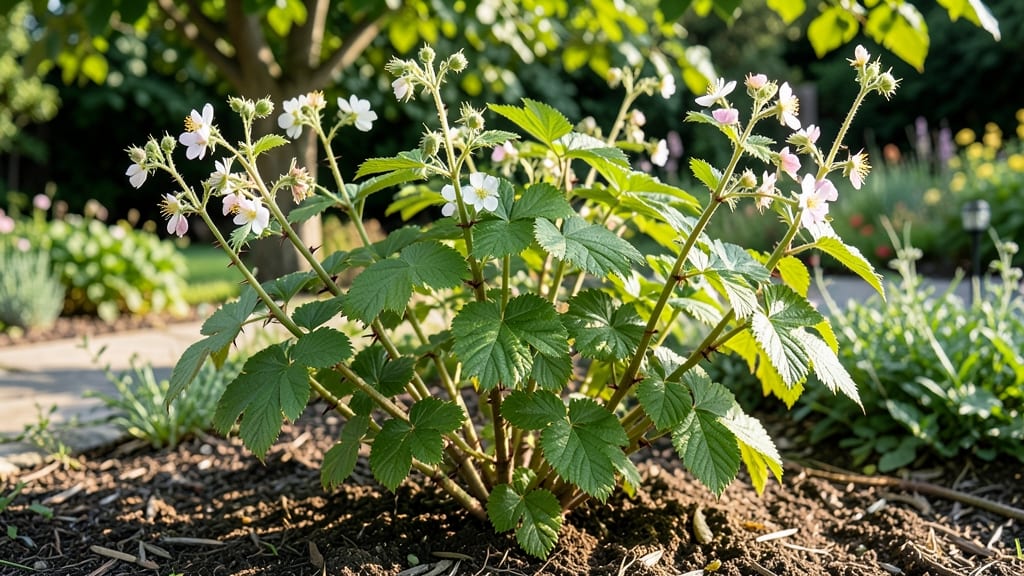
Raspberries flower when primocanes bloom in early to mid-spring and floricanes follow in late spring 🫐 — but the exact timing depends on your variety and climate zone.
Picture this: you’ve just pruned your raspberry patch, only to realize the flowers are already fading. Or worse, you missed the window to protect them from a late frost.
Timing your raspberry harvest starts with knowing when raspberries flower—missing this window can mean lost fruit or missed opportunities for pruning and pollination.
Most gardeners in USDA Zone 6a see summer-bearing varieties like Heritage burst into bloom by late May, while fall-bearing types like Boyne may wait until June. But in warmer climates, those same flowers can appear as early as April, shifting your entire harvest schedule.
Below, I break down the seasonal timeline by variety, how climate shifts your bloom dates, and the 5 critical factors you can control to ensure your raspberries flower at the perfect time for a bountiful harvest.
Raspberry flowering timeline by variety: summer vs fall-bearing types
Understanding when raspberries flower is the first step to maximizing your harvest. Raspberries fall into two main categories: summer-bearing (primocane-fruiting) and fall-bearing (floricane-fruiting). Each type has a distinct flowering timeline that directly impacts your fruiting schedule.
For example, Heritage raspberries (summer-bearing) produce flowers on first-year canes in late spring, while Autumn Bliss (fall-bearing) flowers on second-year canes in early summer. Missing these windows means missed fruit opportunities.
Identifying the blooms is easier than you think. Summer-bearing raspberries develop white to pale pink flowers on green primocanes in late spring, while fall-bearing varieties produce flowers on brown floricanes in early summer.
The key difference? Summer-bearing canes flower and fruit in the same year, while fall-bearing canes need a full year to mature before flowering. Knowing this helps you plan pruning and pollination strategies effectively.
Visual identification of raspberry flowers is crucial. Look for small clusters of 5-petaled blooms along the canes. Summer-bearing flowers appear higher on the cane, while fall-bearing flowers develop lower on older wood. This distinction helps you track which canes to prune after fruiting. For instance, Boyne raspberries (summer-bearing) will show flowers in May-June, while Carolina Gold (fall-bearing) flowers in June-July.
If you're growing summer-bearing raspberries, timing is everything. These varieties produce one main crop in late summer, but some varieties like Heritage may yield a small second crop on floricanes in fall.
The key is to prune old canes after harvest to encourage new primocanes for next year's fruit. For example, after your Heritage raspberries fruit in July-August, prune the spent canes to make room for new growth.
Fall-bearing raspberries offer a double harvest: a small summer crop from primocanes and a larger fall crop from floricanes. Autumn Bliss is a prime example, producing flowers on floricanes in late June that develop into fruit by September-October.
This dual harvest makes fall-bearing varieties ideal for gardeners who want extended fruiting seasons. To maximize yields, avoid over
Climate Zone impact: adjusting raspberry flowering timing for cold vs warm regions
Your USDA hardiness zone dramatically shifts when raspberries flower, sometimes by 6-8 weeks between regions. In Zone 7 or warmer, summer-bearing varieties like Heritage often bloom as early as late April, while the same plants in Zone 4 may wait until mid-June due to cooler spring temperatures.
This timing difference directly impacts your harvest window and frost protection needs.
For fall-bearing raspberries like Boyne, the pattern shifts again. In Zone 9, primocanes may flower in March**, producing fruit by summer, while in Zone 5, those same flowers might not appear until May.
Understanding these regional patterns helps you plan pruning, frost protection, and even variety selection for your climate.
| USDA Zone | Typical Bloom Window | Key Varieties | Climate Notes |
|---|---|---|---|
| 3-4 | Late June - Early July | Heritage, Nova | Staggered blooms; frost risk high |
| 5-6 | Mid-May - June | Boyne, Caroline | Early blooms vulnerable to frost |
| 7-8 | Late April - May | Autumn Bliss, Heritage | Longer growing season; double crops |
| 9-10 | March - April | Boyne, Fall Red | Year-round growth possible |
In colder climates (Zones 3-5), raspberries often experience staggered flowering due to slower spring warming. This means you might see flowers appear on different canes at 2-3 week intervals, extending your harvest window but requiring more frequent monitoring.
For example, in Zone 4, your first flowers may appear in June, but new blooms could continue through July.
Warmer regions (Zones 7-10) offer advantages like earlier blooms, but they also demand consistent moisture to prevent flower drop. In Zone 9, for instance, raspberries may bloom as early as March, but without proper irrigation, those flowers can abort before producing fruit.
I’ve found that drip irrigation systems work best in these climates to maintain steady soil moisture during critical bloom periods.
To extend your raspberry flowering season in frost-prone areas, consider these strategies: plant everbearing varieties like Heritage, use row covers for early blooms, and choose south-facing planting locations to capture maximum sunlight.
In my Zone 6a garden, these adjustments have helped me push my harvest window by 3-4 weeks compared to unprotected plants.
Remember, late frosts are the biggest threat to early blooms. If your last frost date falls within your raspberry’s flowering window, have frost cloths ready—they can save an entire season’s crop.
I always check my local National Weather Service forecasts in early spring to time my frost protection efforts perfectly.