
Plants
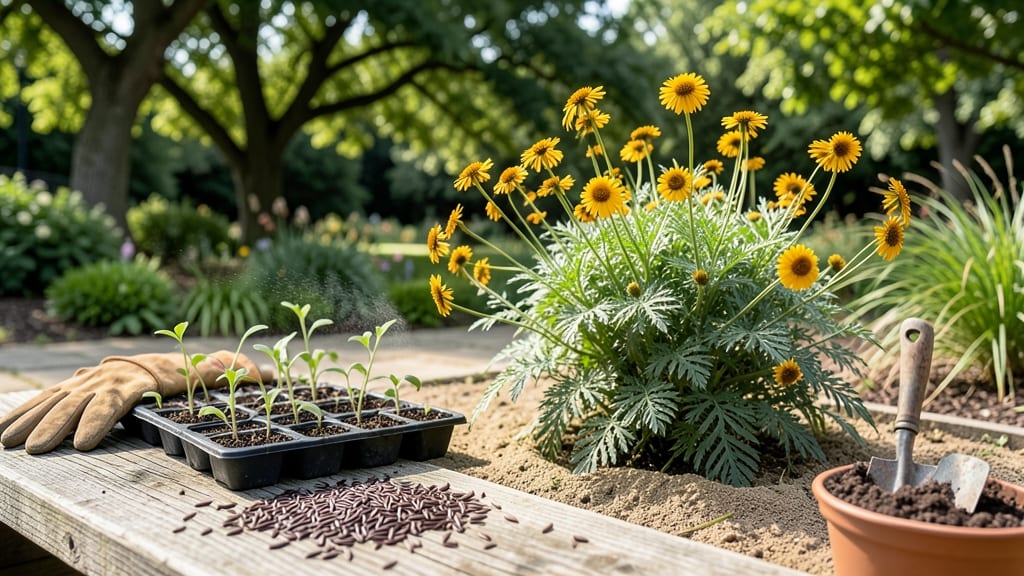
Planting strawflower seeds at the right time ensures bold, long-lasting blooms that thrive from spring through fall.
Picture this: you’ve chosen your favorite 🌼 strawflower varieties, but if you plant them too early, frost zaps their energy, and too late means weak stems before summer heat arrives. The key is knowing your last frost date—and adjusting for your USDA zone.
In Zone 6a (like much of the Midwest), aim for March to April when soil warms to at least 55°F. Southern gardeners can start in February, while cooler climates may wait until May. Whether you’re sowing directly outdoors or starting seeds indoors, timing makes all the difference.
Below, I’ll break down the exact planting schedule by region, plus pro tips for extending your bloom season—so you’re not left with leggy stems or missed opportunities. Ready to get growing?
Best planting months for strawflower seeds by USDA climate Zone
Strawflowers (Helichrysum bracteatum) thrive when planted at the right time, but the perfect window depends entirely on your USDA climate zone. In Zone 3 (think Minnesota or Maine), you’ll need to wait until late May, while Zone 11 (like Southern California) can start as early as February.
The key is soil temperature—strawflower seeds need at least 55°F (13°C) to germinate reliably.
Most gardeners focus on spring planting, but fall sowing works in warmer zones (7-11). The trick is to plant 8-10 weeks before your first frost date, giving seedlings time to mature before winter chills arrive.
For example, in Zone 6a, aim for March to April, while Zone 9b gardeners can extend planting into October.
Here’s the breakdown by zone, including soil temp requirements and regional adjustments for Southern vs. Northern climates:
In Zones 3-4, where winters are harsh, I recommend starting seeds indoors 6-8 weeks before your last frost date. Use grow lights to simulate long daylight hours, and transplant seedlings outdoors only after soil temperatures consistently stay above 55°F.
Northern gardeners often face short growing seasons, so prioritize early-maturing varieties like 'Moulin Rouge' or 'Limelight'.
For Zones 7-10, fall planting is a game-changer. Sow seeds in September to enjoy blooms as early as February. The secret? Strawflowers are drought-tolerant, so focus on well-draining soil and minimal watering once established.
In Zone 10, you can even plant year-round, but avoid mid-summer heatwaves (above 90°F) which can stress seedlings.
One common mistake I see is planting strawflowers too early in warm zones. While they handle heat well, overly hot soil (above 80°F) can cause seeds to rot before germinating. To test soil temperature, use a soil thermometer
How to adjust planting time for early or late blooms
Want to extend your strawflower bloom season? The trick lies in strategic planting adjustments. By staggering sowing times or using indoor starts, you can enjoy vibrant 🌼 flowers from early summer through fall.
For example, in Zone 7, planting seeds in February (indoors) and May (outdoors) creates a continuous display.
Climate plays a huge role—desert regions like Arizona thrive with late spring planting, while Pacific Northwest gardeners should start seeds indoors in January to beat cooler soils. Heat-tolerant varieties like 'Moulin Rouge' handle late starts better than delicate types.
Here’s how to balance timing for maximum blooms:
Direct Sowing vs. Transplanting
Direct Sowing
- Pros: Faster establishment, no transplant shock
- Cons: Limited to frost-free windows
Transplanting
- Pros: Earlier starts, better control over timing
- Cons: Requires indoor space, careful hardening-off
Climate-Specific Tips
- Desert: Plant in late spring to avoid summer heat stress
- Pacific NW: Start indoors in January for early blooms
- Tropical: Sow year-round with shade protection in peak heat
For early blooms, try indoor seed starts under grow lights. Begin 8-10 weeks before your last frost date—this gives seedlings a head start. Use heat mats if your home stays cool, as strawflower seeds need 65-75°F soil to germinate.
If you missed the ideal window, late planting still works with heat-tolerant varieties. In Zone 9, sow directly in June for fall color. Just ensure plants get consistent moisture during establishment. Mulch heavily to retain soil warmth.
Pro tip: Stagger your plantings every 2-3 weeks for a gradual bloom sequence. For example, sow half your seeds in March and the rest in April. This creates a continuous display instead of one big burst of flowers.
Remember: Soil temperature matters most. Use a soil thermometer—strawflower seeds won’t sprout below 55°F. In cooler climates, wait until soil warms naturally or use black plastic mulch to speed up the process. 🌱