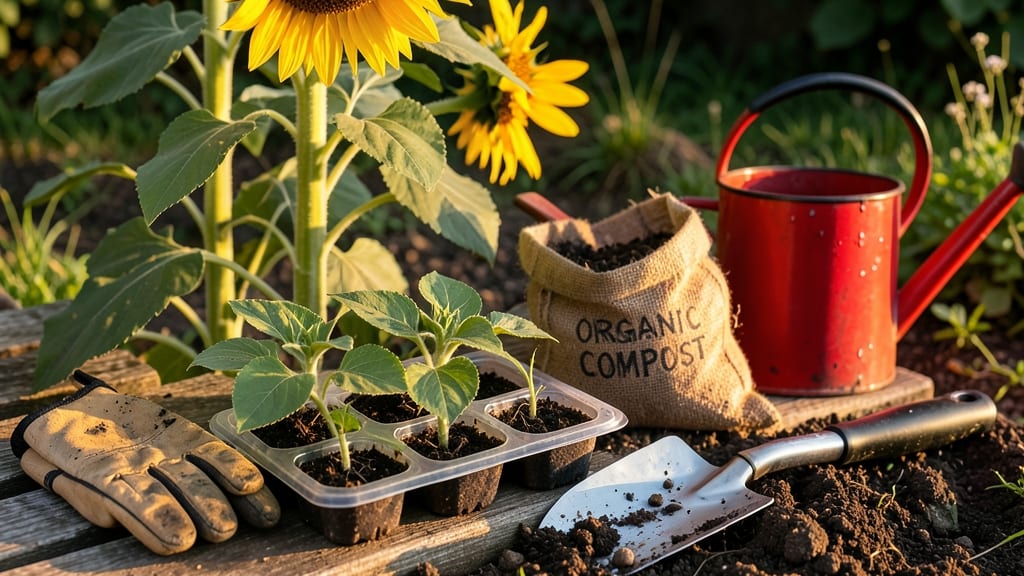
Planting sunflowers in Virginia at the right time means the difference between towering, vibrant blooms and sad, stunted stalks — and the window is narrower than you’d think.
Picture this: you’ve waited all winter for your 🌻 sunflower seeds to arrive, only to rush them into the soil too early, watch them shiver through a late frost, and end up with a 3-foot disappointment instead of a 12-foot masterpiece.
I’ve been there, and trust me, the calendar is your best friend here.
Virginia’s USDA zones 6a-8a (with most of the state landing in 6b-7b) mean frost dates can shift by weeks from the Shenandoah Valley to the Tidewater region.
That’s why timing matters: plant too soon, and your sunflowers bolt before they bloom; wait too long, and summer’s heat arrives before they even sprout.
Below, I break down the exact planting windows by zone — whether you’re in Richmond, Roanoke, or Norfolk — plus the one trick that lets you squeeze in a second planting for nonstop summer color. Ready to grow sunflowers that put on a show? Let’s get started.
🌻
When to Plant Sunflower
Jan
❄️
Feb
❄️
Mar
🌱
Apr
🌱
May
🌸
Jun
☀️
Jul
☀️
Aug
🌱
Sep
🌻
Oct
🌻
Nov
🌻
Dec
🌱
Virginia USDA zones & exact sunflower planting dates for maximum growth
Virginia’s 6 USDA zones (5a-8a) create dramatic differences in sunflower success. In cooler zones (5a-6a) like the Shenandoah Valley, you’ll need to plant 2-3 weeks earlier than in warmer zones (7b-8a) like Norfolk.
The key? Soil temperature—sunflower seeds need 55°F (13°C) to germinate, and frost-free dates vary by 10-14 days across the state.
Most Virginia gardeners focus on spring planting (April–May), but fall planting (August–September) works too—especially for short-season varieties. The trick is timing it so seeds sprout before first frost, which typically hits mid-October in northern VA and late October in the south.
Let’s break it down by zone to get those towering stalks you’re dreaming of.
🌱 Pro Tip: Use a soil thermometer to confirm 55°F+ soil temps before planting. If your soil is colder, wait or use black plastic mulch to warm it faster.
| USDA Zone |
Last Frost Date |
Spring Planting Window |
Fall Planting Window |
Soil Temp Goal |
Method |
| 5a (e.g., Roanoke) |
April 20–May 5 |
May 1–15 (after frost) |
August 1–15 |
55°F+ (13°C) |
Direct sow (transplants struggle) |
| 6a (e.g., Lynchburg) |
April 10–20 |
April 25–May 10 |
August 10–25 |
55°F+ (13°C) |
Direct sow or transplants |
| 6b (e.g., Charlottesville) |
April 1–10 |
April 15–April 30 |
August 15–September 1 |
55°F+ (13°C) |
Direct sow or transplants |
| 7a (e.g., Richmond) |
March 25–April 5 |
April 1–15 |
August 20–September 5 |
55°F+ (13°C) |
Direct sow or transplants |
| 7b (e.g., Fredericksburg) |
March 20–March 30 |
March 25–April 10 |
August 25–September 10 |
55°F+ (13°C) |
Direct sow or transplants |
| 8a (e.g., Norfolk) |
March 10–20 |
March 15–March 30 |
September 1–15 |
55°F+ (13°C) |
Direct sow or transpl
5 Critical factors that determine your sunflower planting success in VA
Sunflowers might seem low-maintenance, but Virginia’s variable climate and short growing season in cooler zones (5a-6a) demand precision. I’ve learned the hard way that soil prep and sunlight placement can make or break your sunflower dreams—especially when you’re staring at a 16-foot stalks or a sad 3-foot shrub.
Beyond just planting dates, these five factors will ensure your sunflowers reach their full potential. Whether you’re in Richmond’s zone 7b or the Shenandoah Valley’s 6a, mastering these will give you blooms that turn heads—and maybe even win your neighborhood’s best garden award.
🌱 Critical Success Factors for Sunflowers in VA
- 🌡️ Soil Temperature & pH: Wait until soil warms to 55°F+ and test pH (aim for 6.0-7.5). Cold, acidic soil stunts growth.
- ☀️ Sunlight Exposure: Plant in spots with 6+ hours of direct sun. Partial shade = leggy, weak stalks.
- 📏 Spacing Rules: Dwarf varieties need 12 inches apart; giants require 24+ inches. Crowding = disease risks.
- 🔄 Succession Planting: Stagger sowings every 2-3 weeks (April–July) for nonstop blooms.
- ❄️ Frost Extension Tricks: Use row covers in zone 5a-6a to push the season by 3-4 weeks.
Let’s tackle the first factor: soil preparation. Virginia’s clay-heavy soils in many regions (like Northern Virginia) can suffocate sunflower roots if not amended. I always mix in 2-3 inches of compost or aged manure before planting to improve drainage and nutrient availability.
A quick pH test is non-negotiable—sunflowers hate acidic soil, and a pH below 6.0 will slow germination.
Next up: sunlight needs. Sunflowers are sun worshippers, and Virginia’s partial shade (common in wooded backyards) will leave you with sad, spindly plants. Choose the sunniest spot in your yard—even if it’s near the fence or driveway.
Pro tip: If your yard has morning sun only, opt for dwarf varieties like ‘Teddy Bear’ that tolerate slightly less light.
Spacing is another game-changer, especially for tall varieties. I once crammed Russian Giant sunflowers too close together, and by July, I had a fungus hotspot instead of towering blooms.
Follow the seed packet guidelines: 12 inches apart for dwarfs, 18 inches for mediums, and 24+ inches for giants. Give them room to breathe—literally.
For gardeners in zones 5a-6a, extending the season is key. I’ve had success using floating row covers to protect seedlings from late frosts (even as late as May 10 in the Shenandoah Valley
Remove covers once plants are 6 inches tall to avoid overheating. Another trick? Plant a second batch in late July—these “fall sunflowers” will bloom just in time for October color before frost.
Finally, avoid these common mistakes: overwatering (sunflowers hate soggy roots), fertilizing too late (stop by mid-July), and ignoring pest pressure (squirrels love sunflower seeds!). With these five factors nailed, you’ll be harvesting plump, bird-free seeds by September—and maybe even saving some for next year’s garden.
★★★★★4.6(5 reviews)
|