
Diseases
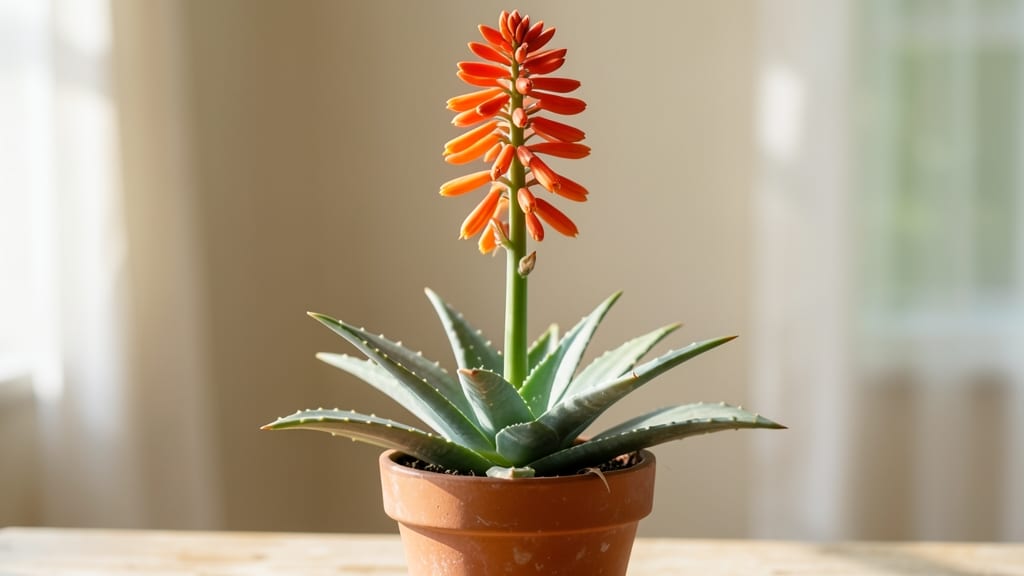
Seeing a yellow flower on your aloe vera 🌱 is a striking sight—but it’s also a red flag that your plant is under stress.
That vibrant bloom might look beautiful, but it’s actually a last-resort signal from your aloe vera, draining its energy and leaving it vulnerable to decline if you don’t act.
Whether it’s overwatering, nutrient starvation, or pests at play, the yellow flower is your plant’s way of saying, “Help me before it’s too late.”
Don’t panic—this isn’t always a death sentence. With the right adjustments to watering, sunlight, and care, you can nurse your aloe vera back to health and even prevent future flowering stress.
Below, I’ll walk you through what’s causing those yellow blooms and how to fix it before your plant’s energy runs out.
You’ll learn when to trim the flower (and when to leave it), how to adjust your care routine, and the simple steps to keep your aloe vera thriving—without the drama of unexpected blooms.
Why does my aloe vera have a yellow flower?
Seeing a yellow flower sprouting from your aloe vera plant can feel like a surprise—especially if you’ve never noticed it before. This vibrant bloom isn’t a disease or pest; it’s actually a natural part of your plant’s life cycle.
When aloe vera flowers, it signals the plant is mature and healthy, but it also means your plant is redirecting energy toward reproduction instead of leaf growth. This can leave your aloe vera looking stressed or weaker if not managed properly.
The yellow flower typically appears on a tall, arching stalk that emerges from the center of your plant. It’s usually bright yellow-orange and tubular in shape, resembling a cluster of small trumpets.
While it’s stunning to look at, the flowering process can drain nutrients from your aloe vera, which might explain why your plant suddenly looks less vibrant. Understanding why this happens—and how to support your plant through it—is key to keeping it thriving.
| Characteristic | Details |
|---|---|
| Flower Color | Bright yellow-orange tubular blooms |
| Flowering Time | Spring to early summer (varies by climate) |
| Plant Age | Typically 3-5 years old or older |
| Energy Impact | Drains nutrients from leaves and roots |
| Duration | 2-4 weeks per bloom cycle |
| Post-Flowering Effect | Plant may slow growth to recover |
Aloe vera plants flower as a natural response to stress or environmental cues, such as changes in temperature, daylight hours, or even root-bound conditions.
If your plant has been in the same pot for years or hasn’t been repotted, the yellow flower might be its way of signaling it’s time for a bigger space.
Similarly, if your aloe vera has experienced a shift in its environment—like moving to a sunnier spot or a sudden temperature drop—it could trigger flowering as a survival mechanism.
It’s important to distinguish between a normal flowering response and signs of disease or rot. Yellowing leaves or a mushy base, for example, are red flags for overwatering or fungal issues, while a yellow flower is simply a sign of maturity.
If your aloe vera’s leaves are otherwise firm, plump, and green, you’re likely dealing with a healthy flowering cycle rather than a problem. However, if the leaves start turning yellow or brown alongside the flower, it’s time to reassess your care routine.
Flowering usually occurs in spring or early summer, when your aloe vera senses longer daylight hours and warmer temperatures. This is when the plant shifts its energy from leaf production to reproduction. During this time, you might notice your aloe vera’s growth slow down or even stop temporarily.
This isn’t necessarily harmful, but it’s a reminder to adjust your care to support your plant through this transition, such as reducing fertilizer and ensuring it gets enough light and water.
One common misconception is that a yellow flower means your aloe vera is dying. In reality, it’s the opposite—it’s a sign of a healthy, mature plant.
However, if your aloe vera flowers year-round or multiple times in a single season, it could indicate chronic stress, such as inconsistent watering or poor lighting. In such cases, take a closer look at your plant’s environment and make adjustments to restore balance.
A well-cared-for aloe vera should flower once every few years, not continuously.
If your aloe vera’s yellow flower appears alongside other concerning symptoms—like soft, mushy leaves or a foul odor—it could be a sign of root rot or another issue. Root rot often starts in the soil and spreads upward, causing the entire plant to weaken.
In this case, the flower might be a last-ditch effort by the plant to reproduce before it declines further. To diagnose the problem, gently remove your aloe vera from its pot and check the roots for brown, mushy areas. Healthy roots should be firm and white or light tan.
To ensure your aloe vera thrives after flowering, focus on post-flowering care. Once the blooms fade, you can trim the flower stalk back to the base to redirect energy back to the leaves. This helps your plant recover more quickly and encourages new growth.
Additionally, consider repotting your aloe vera if it’s been in the same container for more than 2-3 years, as crowded roots can stress the plant and trigger premature flowering. Use a pot with drainage holes and a well-draining cactus or succulent mix to keep your aloe vera happy.
Finally, remember that not all aloe vera plants flower—some varieties, like Aloe vera (the most common type), may take years to bloom, while others, like Aloe arborescens, flower more frequently. If your plant hasn’t flowered yet, don’t worry; it’s not a sign of poor health.
Patience and consistent care will eventually reward you with those stunning yellow blooms—a true testament to your gardening success!
How to care for aloe vera when it flowers: step-by-step guide
When your aloe vera 🌱 produces a yellow flower, it’s your plant’s way of signaling stress—but with the right care adjustments, you can help it recover. The key is to reduce stress factors while supporting its energy reserves.
Start by cutting back on watering immediately, as overhydration is the most common trigger for flowering in distressed aloe vera.
Flowering also means your plant is diverting energy from leaf production to reproduction. To prevent decline, prioritize bright, indirect sunlight (6+ hours daily) and avoid fertilizing until the flower fades. The goal is to help your aloe vera recover without additional strain.
⚠️ WARNING: Yellow Flower = Energy Crisis ⚠️
- Overwatering (most common cause)
- Nutrient deficiency (lack of potassium/phosphorus)
- Pest damage (mealybugs or scale insects)
- Temperature shock (drafts or sudden cold)
First, adjust your watering schedule to mimic its natural drought tolerance. Water only when the top 2 inches of soil are bone-dry, and use a pot with drainage holes.
Overwatering during flowering can cause the roots to rot while the plant diverts energy to the flower, creating a deadly cycle.
Next, boost sunlight exposure to compensate for the energy drain. Move your aloe vera to the brightest window (south-facing ideal) or supplement with a grow light for 12 hours daily.
Avoid direct midday sun, which can scorch stressed leaves. Monitor for yellowing leaf tips—a sign of sunburn or continued stress.
Skip fertilizer entirely while the flower is present, as nutrients will fuel the bloom at the expense of your plant’s health. Once the flower fades (usually 6-8 weeks later), resume a balanced, low-nitrogen fertilizer (2-7-2 ratio) every 6-8 weeks in spring and summer. This supports leaf regrowth without overstimulating flowering.
After the flower dies back, focus on post-flowering recovery. Trim any dead or damaged leaves with sterilized scissors, and repot if the soil has compacted. Increase humidity slightly by placing the pot on a tray of pebbles and water (never let roots sit in water).
Within 3-4 months, your aloe vera should rebound with healthier, thicker leaves.
To prevent future flowering stress, maintain consistent care year-round. Water only when soil is completely dry, use well-draining soil, and avoid sudden changes in light or temperature. With these adjustments, your aloe vera will focus on leaf production instead of unexpected blooms.