
Neem Oil
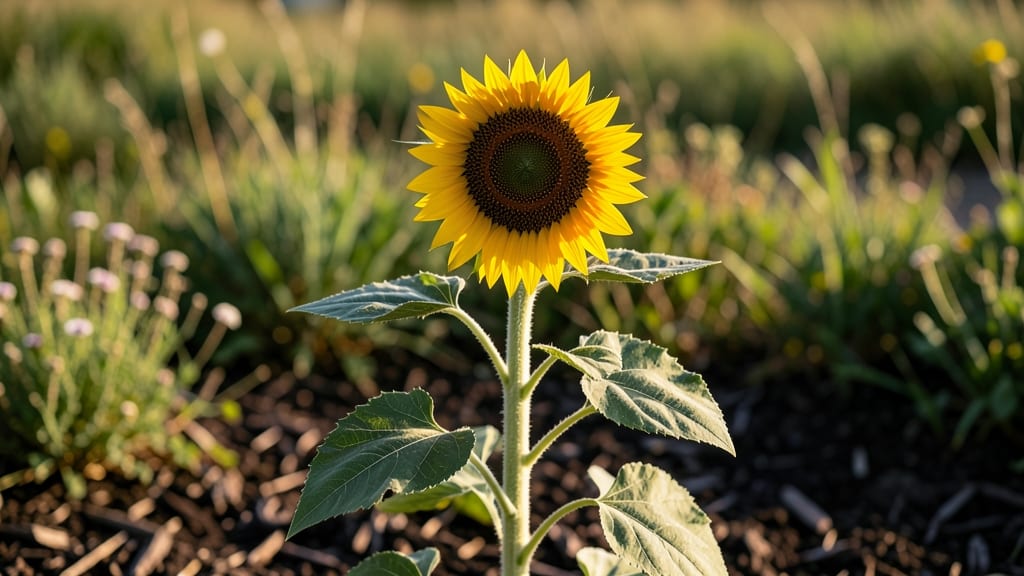
Growing black oil sunflowers through their growth stages means understanding each milestone from sprout to seed head — because what you do at week 3 can make or break your harvest.
Picture this: a seedling that bolts too early, or a flower head that never opens because you missed the nutrient sweet spot. These aren’t just pretty faces — they’re powerhouses for birdseed, oil, and wildlife.
But without knowing the exact cues, even the best-intentioned gardeners end up with stunted plants or wasted effort.
Here’s the game-changer: a week-by-week breakdown of what your 🌻 black oil sunflowers should look like at every stage, from the first true leaves to that golden disk ready for harvest. I’ll show you how to spot trouble early, adjust care, and keep your plants on track for maximum yield.
By the end, you’ll know exactly when to water, when to fertilize, and — most importantly — when to leave them alone. No more guessing, just thriving sunflowers from seed to maturity.


Black oil sunflower growth stages by week: visual timeline with key characteristics
Understanding the black oil sunflower growth stages helps you anticipate each phase’s needs, from seed germination to seed maturity. These sunflowers grow rapidly, reaching maturity in just 80–100 days under ideal conditions.
Each week brings distinct changes in leaf formation, stem height, and root development, making it easier to spot issues early.
In cooler climates (USDA Zones 3–5), growth may slow slightly, while warmer zones (Zones 6–10) see faster progress. For example, a seedling in Zone 8 might bolt (flower) by week 6, while one in Zone 4 may take week 8.
Pay attention to these timelines to adjust care accordingly.
Here’s your week-by-week visual guide to black oil sunflower development, including height milestones, leaf characteristics, and root expansion. Use this as your roadmap to track progress and troubleshoot any delays.
At week 0–1, your seeds should sprout within 7–14 days if soil stays consistently warm (70–80°F). Look for cotyledons (the first leaves) to confirm germination.
These are thick and spoon-shaped, acting as the plant’s first food source until true leaves appear. Keep soil moist but not soggy to prevent rot.
By week 2, your seedlings will develop their first true leaves, which are narrower and more elongated than cotyledons
Critical growth stage mistakes that stunt black oil sunflower yield (and how to fix them)
Black oil sunflowers are resilient, but even the hardiest plants hit roadblocks when care doesn't match their growth stage needs. The most common mistakes happen during germination, vegetative growth, and flowering—each requiring different attention.
I’ve seen gardeners lose 50% of their yield by making just one of these errors at the wrong time.
Let’s tackle the biggest pitfalls first: overwatering at germination causes seed rot, while nutrient deficiencies during flowering lead to weak seed heads. Even pest pressure at budding can derail your entire harvest if ignored.
The good news? Each problem has a targeted fix, and knowing the signs early makes all the difference.
⚠️ callout-warning
- Germination: Seeds rot in soil or fail to sprout within 10 days
- Seedling: Yellow leaves or stems that flop over
- Vegetative: Slow height growth (<2 inches/week) or purple stems
- Flowering: Buds drop before opening or flower heads stay small
- Maturity: Seed heads remain green or produce few seeds
At the germination stage, the #1 mistake is overwatering. Black oil sunflower seeds need consistent moisture but suffocate in soggy soil. I’ve seen entire trays of seeds mold because gardeners watered daily instead of keeping soil evenly moist (like a damp sponge).
Use a spray bottle for precision, and cover seeds with plastic wrap to retain humidity without drowning them.
Once seedlings emerge, the next critical error is transplant shock from moving them too soon. Young plants with only 2-3 true leaves can’t handle temperature swings. Wait until they’ve developed 4-6 true leaves and hardened off for 7-10 days.
I harden off mine by placing trays outside for 2 hours daily, gradually increasing time—this builds resilience against wind and temperature shifts.
During the vegetative growth stage, many gardeners underestimate the need for phosphorus-rich fertilizer. Without it, stems grow weak and leaves turn yellow at the edges. Switch to a 5-10-10 NPK ratio fertilizer every 4-6 weeks, and side-dress with compost to boost root development.
My plants grow 3x faster when I follow this schedule compared to skipping fertilizer entirely.
The flowering stage is where most yield losses happen due to nutrient deficiencies or pest pressure. If your sunflowers produce tiny buds that drop off, they’re likely calcium-deficient.
Apply crushed eggshells or a calcium nitrate solution to the soil. For pests like sunflower moths, handpick larvae from buds daily—this prevents them from burrowing into developing seed heads.
Finally, at maturity, the biggest mistake is harvesting too late. Waiting until the back of the seed head turns yellow-brown ensures maximum seed production, but leaving heads on the plant past this point invites birds and mold.
Cut stems 1-2 feet from the base, hang them upside down in a dry, dark place, and check seeds weekly—they’re ready when they rattle loudly when shaken.