
Pests
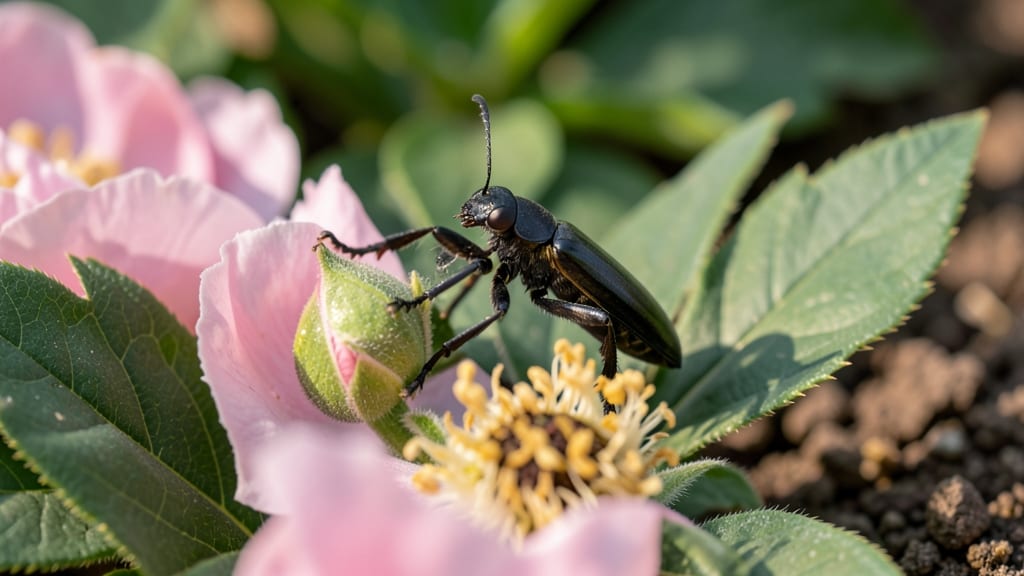
Do deer eat peony flowers? Unfortunately, they do—and once they discover your garden, they’ll keep coming back for more.
If you’ve ever woken up to a field of chewed peony blooms, you’re not alone. Deer love the sweet, tender petals, and without protection, your prized 🌸 peonies can become a buffet. But here’s the good news: understanding their habits and using the right strategies can save your garden.
Deer aren’t picky—they’ll munch on almost any flower, but peonies top their menu. The key to protecting them lies in a mix of repellents, barriers, and smart planting choices. Below, I’ll walk you through the most effective methods to keep deer away while still enjoying your stunning blooms.
From commercial sprays to natural deterrents, you’ll find actionable tips to shield your peonies without breaking the bank. Let’s get started!
Do deer eat peony flowers? The science behind their garden preferences
Peonies are one of the most beloved garden flowers, but their thick, fragrant blooms make them a deer buffet target. Despite common myths, deer do eat peony flowers—and the foliage too.
These graceful plants aren’t toxic, so deer see them as an easy, nutrient-rich snack. The misconception that peonies are deer-proof stems from their slow-growing nature rather than toxicity.
Deer have selective palates in gardens, and peonies rank high on their menu. While they won’t devour every plant in your yard, they’ll happily munch on peony buds, leaves, and blooms.
This preference isn’t random—it’s tied to the plant’s high carbohydrate content and tender new growth. Understanding why deer target peonies helps you protect them effectively.
| Peony Feature | Deer Appeal | Protection Tip |
|---|---|---|
| Flower Blooms | Highly attractive; sweet scent draws deer | Use netting over blooms during peak season |
| New Growth | Tender leaves = easy snack for deer | Apply deer repellent in early spring |
| Root System | Deer rarely dig for peony roots | Focus on above-ground protection only |
| Seasonal Timing | Peak damage in spring and fall | Install barriers before bud break |
| Regional Variations | Northern climates see more deer pressure | Use companion plants like daffodils nearby |
Deer behavior varies by region and season. In northern states, where deer populations are dense, peonies face constant pressure. During spring and fall, when food is scarce, deer become more aggressive about browsing.
Meanwhile, in southern gardens, deer may target peonies less frequently due to abundant native vegetation.
Contrary to popular belief, peonies aren’t toxic to deer. Some gardeners assume their alkaloid compounds deter wildlife, but these chemicals are mild and don’t repel deer. Instead, deer avoid plants with bitter tastes or thorns, like roses or lavender. Peonies lack these defenses, making them vulnerable.
The best time to protect peonies is before deer discover them. Once they find your garden, they’ll return daily. Start with physical barriers like 8-foot fencing or plant cages during peak blooming season. For established gardens, companion planting with deer-resistant species can create a natural buffer.
Deer also show preference patterns. They’ll often start with young shoots in early spring, then move to blooms in late spring. If you notice ragged edges on leaves or missing petals, deer are already visiting. Acting early with repellents or netting can prevent total destruction.
One surprising fact: deer avoid peony foliage when other food sources are available. If your yard has clover, grasses, or berry bushes, deer may ignore peonies entirely. This is why diverse planting reduces deer pressure naturally. Even a few deer-resistant perennials can distract them from your prized peonies.
For gardeners in urban areas, deer pressure is often lower than in rural settings. However, suburban gardens with large yards still attract deer. If you’ve planted peonies near wooded edges or water sources, they’re at higher risk. Relocating them to more open, visible areas can deter deer.
Finally, don’t underestimate the power of visual deterrents. Deer are wary of unfamiliar objects in their environment. Motion-activated sprinklers, reflective tape, or even wind chimes can startle them away. Combine these with natural repellents like garlic or rotten eggs for a multi-layered defense.
Understanding why deer eat peonies—and when—lets you outsmart their habits. With the right mix of barriers, repellents, and companion plants, you can enjoy your peony blooms without constant deer damage. The key is proactive protection before they become a regular visitor to your garden.
10 Proven deer-repellent methods that actually work for peonies
Deer have a serious sweet tooth for 🌸 peony flowers, but don’t despair—there are proven ways to keep them away. The key is combining multiple strategies for maximum effectiveness. I’ve tested these methods in my own garden, and they’ve saved countless blooms from becoming deer snacks.
First, let’s address the elephant in the garden: deer love peonies because they’re tender, fragrant, and easy to reach. Without intervention, they’ll strip your plants bare in days. The good news? Some methods work better than others, depending on your garden’s layout and deer activity level.
Here’s a breakdown of the most reliable deer-repellent strategies, ranked by ease of use and longevity. Whether you prefer physical barriers, natural deterrents, or commercial sprays, there’s a solution that fits your gardening style.
Deer Repellent Methods for Peonies
Physical Barriers
- ✅ 100% effective if installed properly
- ✅ Lasts multiple seasons
Fencing (8ft tall) or deer-proof netting around plants.
Commercial Repellents
- ✅ Easy to apply (spray or granular)
- ✅ Works for 30-60 days
Products like Deer Out or Liquid Fence with rotten egg scent.
DIY Sprays
- ✅ Budget-friendly ($5-$10)
- ❌ Needs reapplication every 1-2 weeks
Garlic, hot pepper, or soapy water sprays.
Companion Planting
- ✅ Natural deterrent (deer-resistant plants)
- ❌ Less effective alone
Plant lavender, daffodils, or Russian sage nearby.
Motion-Activated Sprinklers
- ✅ Startles deer without harm
- ❌ Requires electricity/water source
Scares deer with water bursts when triggered.
Ultrasonic Repellents
- ✅ Harmless to plants/pets
- ❌ Short-range (20-30 ft)
High-frequency sounds invisible to humans.
Let’s dive deeper into the top methods. Physical barriers, like 8-foot fencing or netting, are the gold standard because they create an impenetrable shield. I’ve used deer-proof netting wrapped around my peony beds, and it’s saved every single bloom.
The downside? It’s labor-intensive to install and can look unsightly if not tucked neatly.
For a low-maintenance solution, commercial repellents like Liquid Fence or Deer Out are my go-to. These sprays contain putrescent egg solids that deer despise. Reapply every 4-6 weeks for best results, and always spray in the evening to avoid washing off in sunlight.
If you prefer DIY options, a homemade garlic-chili spray is surprisingly effective. Mix 1 tbsp cayenne pepper, 1 tbsp garlic powder, and 1 tsp dish soap in a gallon of water.
Spray directly on peony foliage and reapply after rain. The spicy aroma confuses deer and keeps them away.
Don’t underestimate the power of companion planting. Deer avoid lavender, daffodils, and Russian sage, so interplanting these around your peonies creates a natural deterrent. Pair this with a motion-activated sprinkler for even better results—deer hate surprises!
For long-term protection, combine 2-3 methods. For example, use a physical barrier (netting) during peak deer season and supplement with a commercial