
Light Requirements
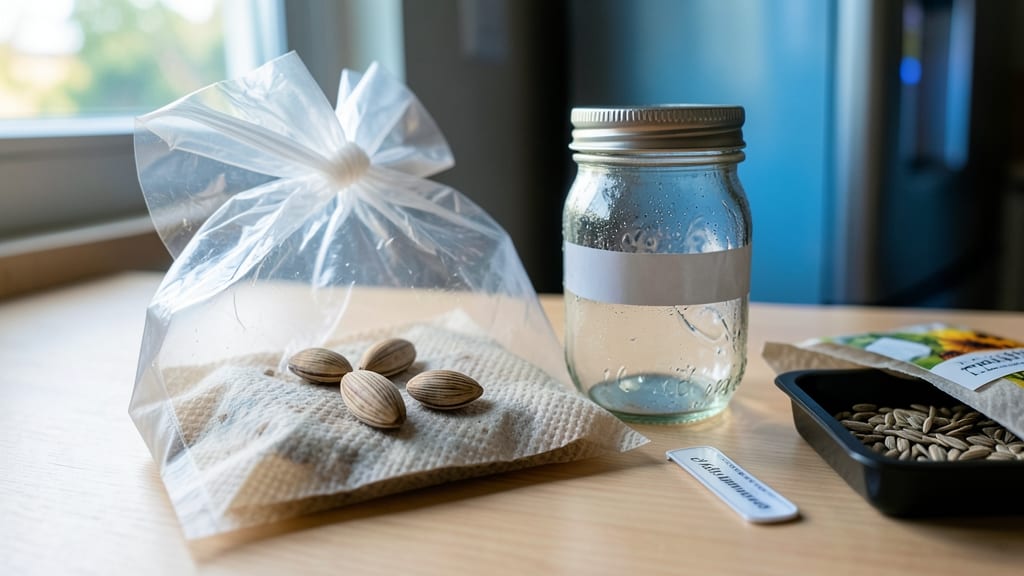
Sunflower seeds generally don’t need cold stratification to germinate—most varieties sprout just fine without it, thanks to their warm-climate origins. 🌻
That said, many gardeners still wonder why their seeds take forever to pop, or if a little cold treatment could speed things up. The truth is, sunflowers are one of the easiest seeds to start, but a few simple tweaks—like soaking or warm soil—can make all the difference.
Unlike seeds from cold climates (think apples or peaches), sunflowers thrive when planted directly into warm soil, which is why most gardeners skip stratification entirely.
But if you’re dealing with a tricky heirloom variety or live in a cooler zone, a quick cold trick might just be the game-changer you need.
Below, I’ll break down exactly when stratification helps (and when it’s unnecessary), plus the fastest, foolproof methods to get your sunflowers up and growing—no waiting required.
What is cold stratification and do sunflower seeds actually need it?
Cold stratification is a process where seeds are exposed to cold, moist conditions to break dormancy and mimic natural winter cycles. This method is commonly used for seeds from temperate climates, like apples or peaches, where freezing temperatures signal the start of growth. For these seeds, stratification helps trigger germination hormones and prepares them to sprout when conditions warm up.
Sunflower seeds, however, originate from warm climates—think the sun-drenched fields of the Americas. Their natural habitat doesn’t include freezing temperatures, so most varieties don’t require cold stratification to germinate.
In fact, subjecting them to cold can sometimes slow down or even inhibit their growth, especially if the seeds aren’t properly hardened or stored.
That said, many gardeners still wonder if a little cold treatment could speed up germination or improve success rates. The short answer? No, for the average sunflower seed. But there are a few exceptions—like heirloom or specialty varieties—that might benefit from a gentle cold trick.
Let’s dive into why most sunflowers skip this step and when it might actually help.
⚠️ WARNING: Cold Stratification Risks for Sunflower Seeds ⚠️
Most commercial sunflower seeds (Helianthus annuus) are bred for fast, warm germination. Subjecting them to cold can:
- Delay sprouting by weeks, especially in cooler climates.
- Reduce viability if seeds aren’t properly dried or stored.
- Trigger mold growth if moisture levels aren’t controlled.
Exception: Only consider stratification for heirloom or slow-germinating varieties—and even then, a short, mild cold treatment (30-60 days) is safer than long-term chilling.
Sunflowers rely on warm soil temperatures (ideally 60°F or above) to kickstart germination. Their seeds are designed to sprout quickly when conditions are right, which is why they’re such a favorite for beginner gardeners.
In fact, many sunflower seeds germinate within 5-14 days when planted in warm, moist soil—no cold treatment needed.
If you’re planting sunflowers in early spring, when soil temperatures are still cool, you might notice slower germination. But instead of stratification, focus on warming the soil. Use black plastic mulch, plant in a south-facing spot, or even start seeds indoors under a heat mat.
These methods are far more effective than cold stratification for sunflowers.
For seeds that do benefit from cold stratification—like those from trees, shrubs, or alpine plants—think of it as a natural dormancy break. These seeds often have hard seed coats or chemical inhibitors that prevent germination until they’ve experienced winter’s chill.
Sunflowers, however, lack these adaptations because they’ve evolved to thrive in consistent warmth.
There’s one rare scenario where cold stratification might help sunflowers: if you’re dealing with seeds that have been stored for years or have a reputation for being slow to sprout. In this case, a brief cold treatment (like 30 days in the fridge) might soften the seed coat slightly.
But even then, it’s not a guaranteed fix—fresh seeds planted in warm soil will almost always outperform stratified old seeds.
If you’re still unsure whether your sunflower seeds need stratification, check the seed packet for specific instructions. Most commercial seeds will explicitly state that no stratification is required.
For heirloom or specialty seeds, a quick online search for the variety name + “cold stratification” can reveal if others have had success with this method.
For the best results, stick to warm soil methods like soaking seeds overnight, using a seedling heat mat, or planting in a protected microclimate. These approaches align perfectly with sunflowers’ natural growing habits and will give you the fastest, most reliable germination. 🌱
How to speed up sunflower germination without cold stratification
Sunflowers don’t need cold stratification, but they do need the right conditions to germinate quickly. The key is creating an environment that mimics their natural warm-climate origins.
Since sunflower seeds are designed to sprout in 60°F+ soil, focusing on warmth, moisture, and light will give you the fastest results—often in just 5-10 days.
If you’re eager to see those first green shoots, skip the cold treatment entirely. Instead, use these proven methods to jumpstart germination without any risk of dormancy-related delays. The best approaches depend on whether you’re planting indoors or outdoors, each with its own advantages and trade-offs.
| Method | Germination Time | Best For | Key Tools |
|---|---|---|---|
| Soaking Seeds | 3-7 days | Indoor starts, slow starters | Water, paper towel |
| Warm Soil (Outdoor) | 5-14 days | Direct outdoor planting | Black plastic mulch, heat mat |
| Indoor Heat Mat | 4-10 days | Early spring starts | Seedling heat mat, grow lights |
| Direct Sowing (Warm Soil) | 7-21 days | Late spring/early summer | Garden soil, watering can |
For indoor germination, soaking seeds overnight in lukewarm water (not hot) softens the seed coat and speeds up absorption. Place them between damp paper towels in a sealed plastic bag for 24-48 hours—check daily for sprouts.
Once you see tiny roots (white and ¼-inch long), plant them ½-inch deep in warm, moist soil. Use a seedling heat mat set to 70-75°F to mimic tropical conditions, which can cut germination time by nearly half compared to room-temperature soil.
Outdoor planting is simpler but requires warmer soil. If your spring soil is still chilly (below 60°F), use black plastic mulch or a cloche to raise temperatures by 10-15°F. Plant seeds 1 inch deep in a south-facing bed where they’ll get maximum sunlight.
Water gently to avoid displacing seeds, and keep the soil consistently moist but not soggy. In ideal conditions, you’ll see sprouts in as little as 5 days.
Light exposure is critical—sunflowers need bright light from day one. If starting indoors, place seedlings under grow lights (12-16 hours/day) or in the sunniest window. Stretchy, leggy seedlings are a sign of insufficient light, which can delay growth.
For outdoor plants, ensure they’re in full sun (6+ hours daily) to prevent weak stems. Once seedlings have 2-3 true leaves, thin them to 6 inches apart to reduce competition.
Moisture control is often the biggest mistake gardeners make. Sunflower seeds need consistent moisture but will rot if overwatered. After planting, water deeply once daily until sprouts appear, then reduce to every 2-3 days once established.
Use a moisture meter or stick your finger 1 inch deep—soil should feel damp, not wet. Mulch with straw or grass clippings to retain moisture and prevent crusting.
If you’re in a cooler climate (USDA Zones 1-5), consider starting seeds indoors 4-6 weeks before your last frost date. Use a clear plastic dome or humidity tent to create a greenhouse effect until sprouts emerge. Once hardened off, transplant seedlings outdoors on a cloudy day to reduce stress.
For faster outdoor results, wait until soil temps are consistently above 60°F—even a 10°F difference can mean the difference between 5-day vs. 3-week germination. 🌱