
Shrubs
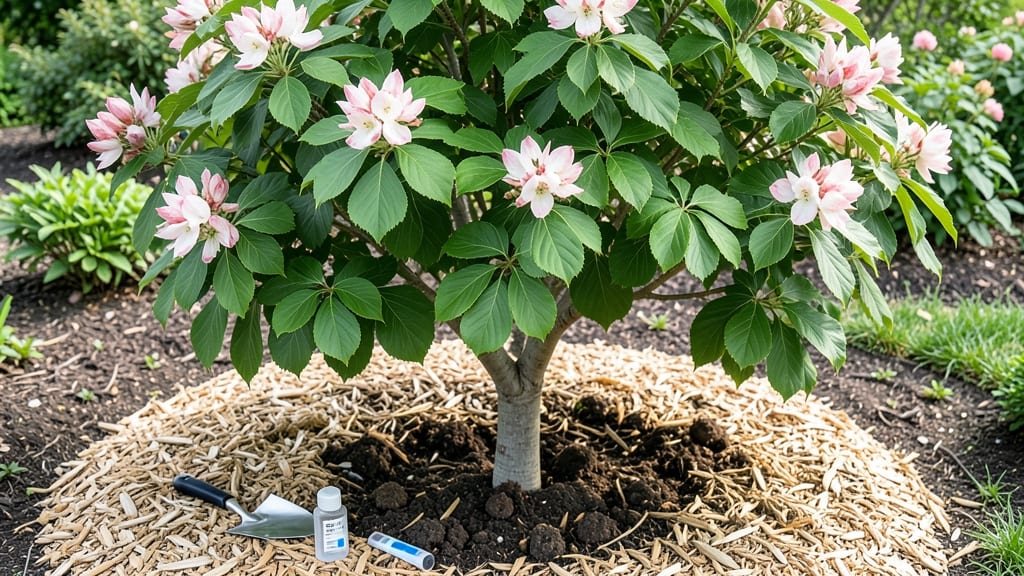
Your flowering dogwood’s soil requirements are the foundation for vibrant blooms every spring, and getting them wrong can mean years of disappointment.
Picture this: You’ve planted your 🌸 flowering dogwood with high hopes, only to watch it struggle—leaves yellowing, blooms sparse, or growth stunted. The culprit? Soil that’s either too alkaline, too dense, or lacking the right nutrients.
These trees are picky, but once you nail the mix, they reward you with stunning flowers and lush foliage.
Ideal flowering dogwood soil is a well-draining, acidic loam with a pH between 4.5 and 6.0—think of it as the Goldilocks zone for roots. Too sandy, and nutrients wash away; too clay-heavy, and roots suffocate.
The good news? With a few simple amendments—like compost, peat moss, or pine bark fines—you can transform even the toughest soil into a dogwood paradise.
In this guide, I’ll walk you through testing your soil, fixing common mistakes (like over-alkaline conditions or poor drainage), and crafting the perfect planting mix. By the end, your dogwood will have everything it needs to thrive—and bloom like crazy.
Ideal soil pH and composition for flowering dogwood trees
Flowering dogwoods (Cornus florida) are picky about their soil—get it wrong, and you’ll end up with weak growth or no blooms at all. These trees demand a well-draining, acidic loam with a pH between 4.5 and 6.0.
Too alkaline or heavy clay soil can stunt their roots and prevent those iconic spring flowers from appearing. The right mix ensures your dogwood thrives, grows strong, and puts on a spectacular floral show each year.
Native to the southeastern U.S., dogwoods evolved in humus-rich, slightly acidic forest floors. Replicating these conditions in your garden is key. The ideal soil should be 40-60% mineral particles (sand, silt, clay), 20-30% organic matter (compost, leaf litter), and 10-20% air and water space for healthy root development.
Without proper aeration, roots suffocate, leading to stress and poor flowering.
Here’s a quick breakdown of what your dogwood’s soil needs to look like:
| Soil Requirement | Specification | Why It Matters |
|---|---|---|
| pH Level | 4.5–6.0 (acidic) | Dogwoods absorb nutrients like iron and manganese best in acidic soil. Above 6.0, nutrient uptake drops sharply. |
| Organic Matter | 20–30% | Retains moisture, improves drainage, and provides slow-release nutrients. Compost or peat moss works best. |
| Drainage | Well-draining (no standing water) | Prevents root rot. Dogwoods hate soggy soil—amend clay with sand or perlite if needed. |
| Texture | Loamy (sandy loam ideal) | Balances water retention and aeration. Avoid pure sand or heavy clay. |
| Nutrient Profile | Moderate nitrogen, high phosphorus | Supports root growth and flowering. Use a 10-10-10 fertilizer in early spring. |
Testing your soil’s pH and composition before planting is a game-changer. Grab a soil test kit (available at garden centers for $10–$20) or send a sample to your local Cooperative Extension Service.
Dig a 6-inch-deep hole near where you’ll plant, collect soil from multiple spots, and mix it in a clean bucket. Follow the kit instructions—most take 2–3 days for results. If your pH reads above 6.0, you’ll need to lower it with sulfur or peat moss.
For organic matter, aim for 2–3 inches of compost or well-rotted leaf mold mixed into the top 12 inches of soil. If your soil feels gritty (too sandy), blend in 20% peat moss or coconut coir to improve water retention.
Conversely, if it’s sticky when wet (clay-heavy), add 30% coarse sand or perlite to loosen it up. Think of your dogwood’s soil as a three-layer cake: bottom layer (60%) should be native soil, middle layer (30%) amended with organic matter, and top layer (10%) mulch.
Drainage is often overlooked but critical. To test it, dig a 12-inch hole, fill it with water, and time how long it takes to drain. If it’s still damp after 6 hours, your soil is too dense.
Amend it by digging in 1–2 inches of perlite or vermiculite and mixing in 50% compost. For clay soil, consider planting your dogwood on a mound or raised bed to prevent waterlogging. Dogwood roots need oxygen—if they’re constantly wet, they’ll rot.
One common mistake is assuming "good garden soil" will work. Many bagged soils are too alkaline or lack organic matter. Instead, create a custom mix: combine 50% native soil, 30% compost, 10% peat moss, and 10% coarse sand.
This ratio mimics the dogwood’s natural habitat while ensuring proper drainage. After planting, top with 2–3 inches of wood chips or pine straw mulch to maintain acidity and retain moisture.
Monitor your dogwood’s soil annually, especially if you notice yellowing leaves (chlorosis) or stunted growth. These are red flags for nutrient deficiencies or poor drainage. A quick soil test every 2–3 years keeps your tree happy and blooming.
With the right soil, your flowering dogwood will reward you with vibrant spring blooms and glossy foliage for decades.
🌿
How to amend soil for dogwoods: step-by-step mixing guide
Amending your soil for flowering dogwoods isn’t rocket science, but it does require precision—especially when it comes to pH balance and organic matter. Dogwoods demand an acidic environment (pH 4.5–6.0), and if your soil is too alkaline or compacted, roots will struggle to absorb nutrients.
The good news? You can transform even heavy clay or sandy soil into a dogwood-friendly mix with just a few key amendments.
Start by testing your soil’s pH using a digital pH meter or soil test kit (available at garden centers). If your reading is above 6.0, you’ll need to lower it with elemental sulfur or peat moss.
For sandy soil, focus on adding organic matter like compost or pine bark fines to improve moisture retention. Below, I’ll walk you through the exact steps to create the perfect planting mix for your dogwood’s roots.
Step-by-Step Soil Amendment Guide for Dogwoods
- Test Your Soil: Use a pH meter to check your soil’s acidity. Aim for 4.5–6.0. If it’s higher, you’ll need to acidify it.
- Loosen the Soil: Dig a hole twice as wide as your dogwood’s root ball. Break up compacted clay with a garden fork to improve drainage.
- Add Organic Matter: Mix in 3–4 inches of compost or well-rotted leaf mold to the bottom of the hole. This boosts nutrient retention.
- Adjust pH if Needed: For alkaline soil (pH > 6.0), add 1–2 pounds of elemental sulfur per hole. For sandy soil, incorporate 1–2 inches of peat moss.
- Incorporate Sand (If Clay-Heavy): Add 1 part coarse sand to the mix to improve drainage without overwhelming the soil’s structure.
- Blend the Mix: Combine the soil, compost, peat moss (if used), and sand thoroughly. The final mix should resemble loamy, crumbly soil.
- Plant and Mulch: Place your dogwood in the hole, backfill with the amended mix, and top with 2–3 inches of mulch (pine straw or bark) to lock in moisture.
One common mistake I see is over-amending with lime or too much sand, which can throw off the delicate acidic balance dogwoods need. If your soil is already acidic (pH < 5.5), skip the sulfur and focus on adding organic compost and pine bark fines to improve structure.
For container-grown dogwoods, use a pre-mixed acid-loving plant soil and repot every 2–3 years to refresh nutrients.
After planting, monitor your dogwood’s leaves for signs of stress. Yellowing leaves often signal over-alkaline soil, while brown edges may mean the mix is too dry. Adjust watering as needed—dogwoods prefer consistent moisture but hate soggy roots.
With the right soil mix, your tree will establish quickly and reward you with show-stopping spring blooms.
Pro tip: Re-test your soil’s pH in 6 months to ensure it’s staying in the ideal range. Dogwoods are forgiving once established, but young trees need that perfect acidic loam to really thrive.
Once you’ve got the mix right, sit back and enjoy the show—your dogwood will thank you with vibrant flowers for decades.