
Flowers
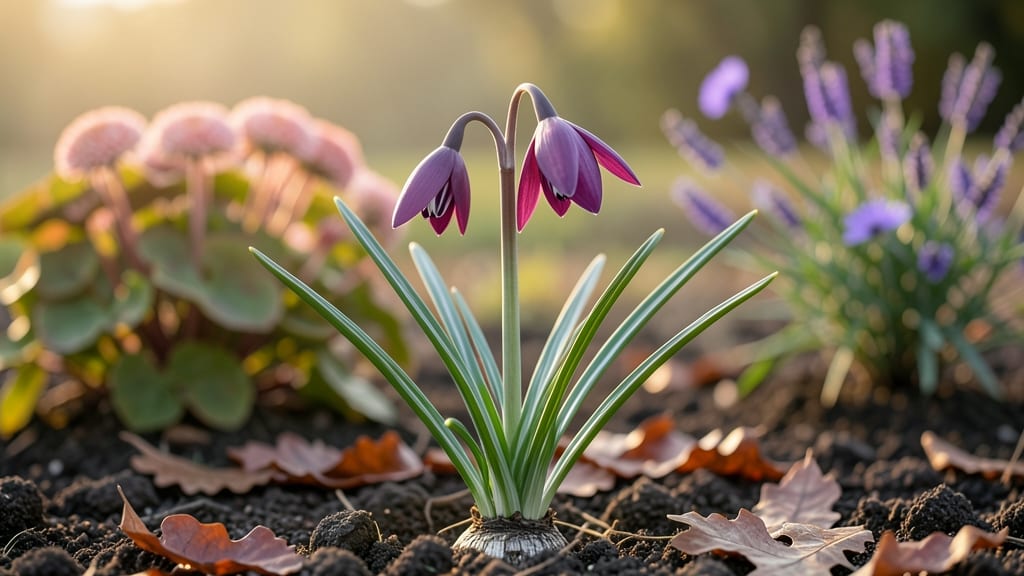
Autumn flowers for colour hold the secret to a garden that refuses to surrender to fall’s chill 🌼 — their fiery hues deepen as temperatures drop, turning even the dullest corner into a masterpiece.
Picture this: your patio still alive with deep crimson and golden yellow while neighbors are already wrapping up their beds. That’s the magic of chrysanthemums and asters, which don’t just survive frost—they thrive in it.
But here’s the catch: planting them too late or in the wrong spot means missing out on their full potential. The best autumn colour comes from smart choices—like pairing sedum with ornamental grasses for texture, or choosing varieties that bloom later in the season.
In this guide, I’ll walk you through the top frost-resistant picks, when to plant them for maximum impact, and the simple care tricks that keep your garden glowing well past Halloween.
Top 10 frost-resistant flowers for stunning autumn colour
Autumn’s fiery palette doesn’t have to fade with the first frost—these hardy flowers bring bold color, texture, and resilience to your garden long after summer’s blooms have vanished.
I’ve selected 10 frost-resistant perennials and biennials that not only survive but thrive in cooler temperatures, offering vibrant hues from September through November. Whether you’re in USDA Zone 4 or Zone 8, these varieties will keep your garden dazzling well into winter’s first chill.
What sets these flowers apart is their ability to handle light frosts (28°F/-2°C) and even survive hard freezes (20°F/-6°C) with proper care. Many also boast foliage color changes that rival their blooms, creating layered interest.
From chrysanthemums that bloom until snowfall to ornamental kale with ruffled purple leaves, these plants deliver year-round structure and seasonal drama.
Below, I’ve compared the top 10 frost-resistant flowers based on their color impact, cold tolerance, and maintenance needs. Use this guide to select plants that align with your garden’s sunlight conditions and your desire for low-maintenance beauty.
| Flower | Color Palette | Frost Tolerance | Sun Needs | Height (ft) | Key Feature |
|---|---|---|---|---|---|
| Chrysanthemum | Purple, yellow, red, white | 20°F (-6°C) | Full sun | 1.5–4 | Blooms until frost; long vase life |
| Aster | Pink, blue, lavender, white | 15°F (-9°C) | Full sun to part shade | 1–3 | Drought-tolerant; attracts pollinators |
| Ornamental Kale | Purple, green, pink, white | 25°F (-4°C) | Full sun to part shade | 1–2 | Edible; winter interest |
| Sedum (Stonecrop) | Pink, yellow, red, white | -20°F (-29°C) | Full sun | 0.5–3 | Succulent-like; zero maintenance |
| Russian Sage | Blue, purple, lavender | -30°F (-34°C) | Full sun | 3–5 | Fragrant; deer-resistant |
| Coneflower (Echinacea) | Pink, purple, white, yellow | -20°F (-29°C) | Full sun to part shade | 2–4 | Medicinal; long-lasting blooms |
| Japanese Anemone | Pink, white, red | -10°F (-23°C) | Part shade | 2–3 | Late-season bloomer; elegant |
| Black-Eyed Susan | Yellow, orange, red | -20°F (-29°C) |
How to extend autumn flower blooms with simple care tipsYour autumn garden doesn’t have to surrender to frost—with a few strategic care tricks, you can keep those vibrant blooms thriving long after summer’s last hurrah. The secret lies in proactive maintenance: deadheading spent flowers, protecting roots from temperature swings, and choosing the right companions to shield delicate stems. I’ve tested these methods with chrysanthemums, asters, and sedum in my Zone 6 garden, and the results speak for themselves—3-4 extra weeks of color when done right. Let’s dive into the simplest ways to keep your autumn flowers glowing until winter’s first snowflakes.
One of my favorite discoveries? Companion planting makes all the difference. For example, Russian sage planted near asters creates a protective windbreak while adding silvery-blue contrast to their purple blooms. The sage’s drought tolerance also means less watering for both plants. Don’t overlook the power of selective pruning. Instead of shearing everything back, focus on removing only the oldest stems to encourage fresh growth. This keeps your flowers looking full and healthy without shocking the plant before winter. I’ve seen sedum rebloom in late fall just from this simple technique! For container gardens, move pots to sheltered spots (like against a south-facing wall) before the first frost. A thick layer of mulch on top of the soil will insulate roots and prevent freeze-thaw cycles that damage containers. Pro tip: Group containers together—they’ll retain heat better than isolated plants. With these care tips, your autumn garden will stay a showstopper well into November. The key is consistency: stick to your watering schedule, protect roots from temperature swings, and let nature’s colors shine until the very last day. Your garden will thank you with bold, frost-kissed blooms that make winter feel a little less bleak. 🌼 |