
Light Requirements
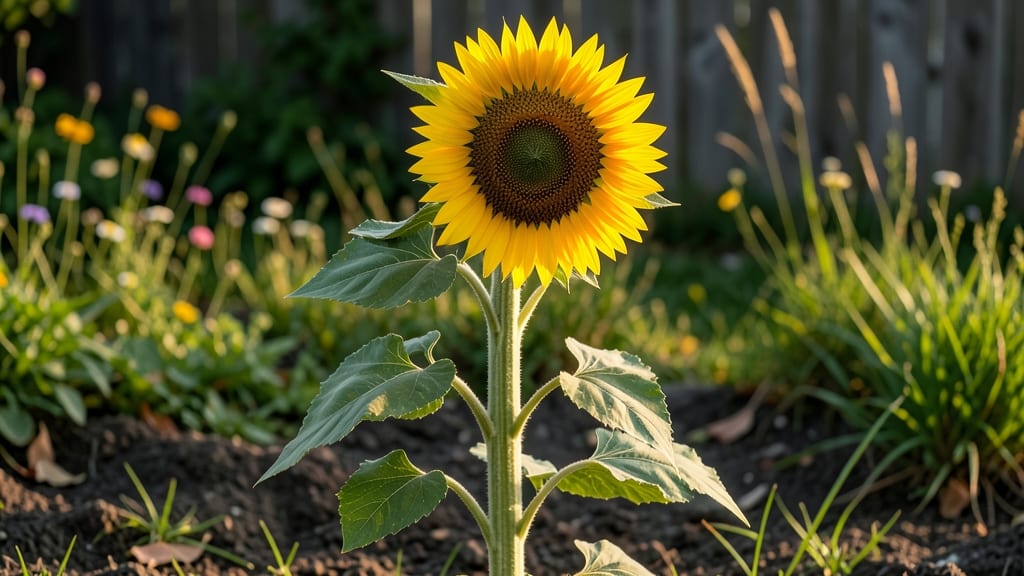
A full grown mammoth sunflower 🌻 can reach heights of 12 to 14 feet, making it one of the most impressive plants in any garden—if you give it the right conditions.
Picture this: your backyard transformed into a sunflower cathedral, with towering stalks casting shadows over your patio and neighbors stopping to admire them. But here’s the catch—without the proper spacing, sunlight, and support, those giants can flop like overgrown weeds instead of standing proud.
You don’t need a green thumb to grow Mammoth sunflowers to their full potential. With the right planting strategy, soil prep, and a little staking know-how, you can turn your garden into a sunflower showstopper.
Below, I’ll share the best spacing tips, sunlight secrets, and growth hacks to ensure your sunflowers hit their maximum height—without the drama.
Ready to grow sunflowers that turn heads? Let’s dive into how to plant them for optimal growth, from seed to sky-high blooms.
How tall do full-grown Mammoth sunflowers get? Height expectations & growth stages
When I first planted Mammoth sunflowers in my backyard, I had no idea they'd grow so tall—literally reaching for the sky! These sunflowers are the giants of the garden world, with mature heights between 12 to 16 feet.
That's taller than most basketball hoops (which sit at 10 feet)! Their towering presence makes them a stunning focal point, but their growth habits require careful planning to ensure they thrive.
The growth timeline for Mammoth sunflowers is impressive. From seed to full bloom, they typically take 90 to 120 days under ideal conditions. Early stages focus on root and stem development, while the final stages prioritize flower production.
Understanding these stages helps you anticipate their needs and maximize their potential height.
Not all Mammoth sunflowers reach the same height, though. Varieties like 'Russian Giant' and 'Mammoth' often top out at 14 to 16 feet, while others may stay closer to 12 feet.
The difference comes down to genetics, growing conditions, and care. For example, my 'Russian Giant' sunflower last summer hit 15 feet—a record for my garden!
Soil quality plays a critical role in determining how tall your Mammoth sunflowers grow. These plants thrive in well-draining, nutrient-rich soil with a pH between 6.0 and 7.0. Poor soil can stunt growth, while ideal conditions help them reach their full potential.
I always amend my soil with compost before planting to ensure my sunflowers have the best start.
Sunlight exposure is another key factor. Mammoth sunflowers need at least 6 to 8 hours of direct sunlight daily. Without enough light, their stems will grow weak and leggy, reducing their height and stability.
In my garden, I planted them in the southernmost part of my yard to give them maximum sunlight exposure.
Here’s a quick breakdown of what to expect at each growth stage:
| Growth Stage | Height Range | Time to Reach | Key Care Tips |
|---|---|---|---|
| Seedling | 1-2 inches | 2-3 weeks | Keep soil moist, thin seedlings to 12 inches apart |
| Vegetative | 3-6 feet | 4-6 weeks | Stake tall stems, fertilize lightly, ensure full sun |
| Flowering | 8-12 feet | 8-10 weeks | Water deeply, avoid overhead watering, support stems |
| Mature | 12-16 feet | 90-120 days | Monitor for pests, harvest seeds when dry, cut back after frost |
Watering also impacts height. While Mammoth sunflowers are drought-tolerant once established, consistent moisture during the first 30 days helps roots develop deeply. I water mine deeply 2-3 times per week during dry spells, ensuring the soil stays moist but not waterlogged.
Overwatering can lead to weak stems and reduced height.
One common mistake I’ve seen (and made myself!) is underestimating wind exposure. Tall sunflowers can bend or snap in strong winds, especially when they’re heavy with blooms. To prevent this, I always stake my Mammoth sunflowers using bamboo stakes or tomato cages.
This simple step can mean the difference between a sunflower that sways gracefully and one that topples over.
If you're dreaming of growing a record-breaking Mammoth sunflower, consider these tips: choose a high-quality seed variety, provide rich, well-draining soil, and ensure full sun exposure.
The world record for the tallest sunflower stands at over 20 feet, but even reaching 14 feet is an impressive achievement for most gardeners!
Finally, remember that patience is key when growing Mammoth sunflowers. Their height comes over time, and rushing the process can lead to weaker plants.
With the right care, you’ll be rewarded with sunflowers that not only reach incredible heights but also bring joy and beauty to your garden for years to come. 🌻
Optimal planting spacing for Mammoth sunflowers: preventing overcrowding & maximizing growth
When planting Mammoth sunflowers, proper spacing isn't just about aesthetics—it's a science-backed approach to unlock their full potential. These giants need room to stretch their 12-16 foot stems without competing for nutrients, water, or sunlight.
Crowding leads to stunted growth, weak stems, and fewer showstopping blooms—so let's get the spacing right from day one.
Research shows that planting Mammoth sunflowers 18-24 inches apart gives them the elbow room they crave. This spacing ensures each plant gets direct sunlight exposure and prevents fungal diseases that thrive in dense, humid conditions.
For rows, maintain 3-4 feet between them to allow airflow and easy access for maintenance. Trust me, your future self will thank you when harvest time rolls around!
| Spacing Method | Plant Spacing | Row Spacing | Growth Impact |
|---|---|---|---|
| Standard Spacing | 18-24 inches | 3-4 feet | Optimal height, strong stems, max blooms |
| Tight Spacing | 12 inches | 2 feet | Stunted growth, weak stems, disease risk |
| Wide Spacing | 30+ inches | 5+ feet | Reduced competition, but less efficient use of space |
Why does spacing matter so much? Mammoth sunflowers develop deep taproots that need space to explore. When crowded, their roots compete aggressively, leading to nutrient deficiencies and water stress. Proper spacing also reduces the risk of powdery mildew, a common fungal disease that thrives in tight, humid conditions.
I've seen gardens where tight spacing led to entire rows collapsing under the weight of their own stems—heartbreaking!
For container growing, use at least one 5-gallon pot per plant and space containers 2 feet apart. This mimics in-ground spacing while allowing you to move plants if needed. Just remember: containers dry out faster, so monitor soil moisture closely.
The key is balancing space efficiency with plant health—your sunflowers will reward you with vibrant blooms that turn heads all season.
Pro tip: Mark your spacing with stakes or string lines before planting. This prevents overcrowding as seedlings grow. I use bamboo stakes and twine for a temporary guide that disappears once the plants are established.
It's a small effort that pays off big time when your sunflowers reach their full 12-16 foot glory without leaning or bending.
Remember, Mammoth sunflowers are all about drama—give them room to shine! With the right spacing, you'll enjoy taller stems, larger blooms, and a garden that feels like a sunflower paradise.
And when harvest time comes, you'll have plenty of seeds to share or save for next year's showstopping display. 🌻