
Flowers
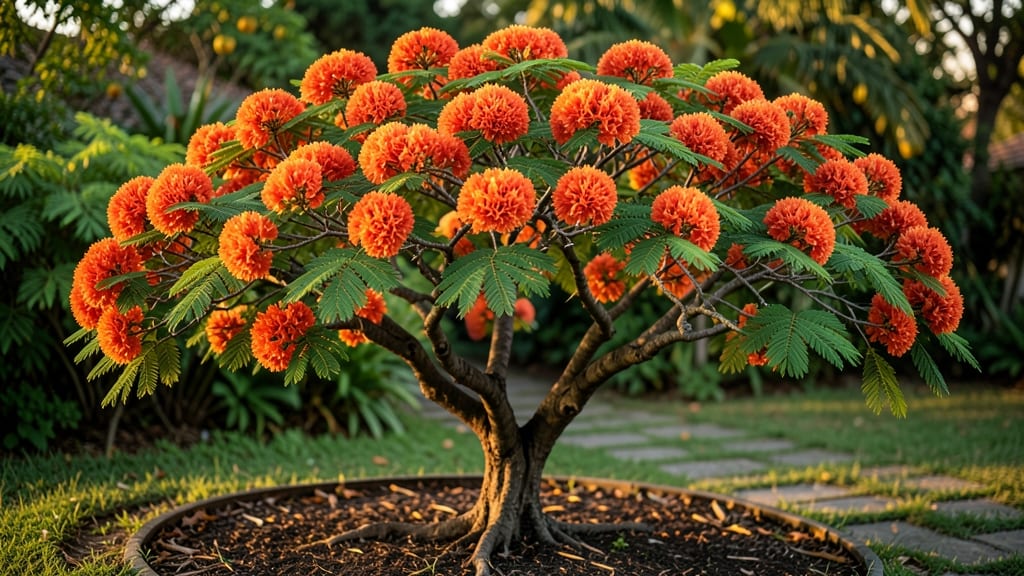
The gulmohar tree flower 🌺 is a dazzling spectacle of fiery orange blooms that can transform any landscape into a tropical paradise.
Imagine a tree that bursts into vibrant clusters of flowers year-round, drawing hummingbirds and adding a bold splash of color to your garden—this is the magic of the Delonix regia, also called the flame of the forest.
Thriving in USDA zones 10-12, this stunning tree demands full sun and well-drained soil, but the reward is worth the effort: lush, long-lasting blooms that keep your outdoor space lively and inviting.
In this guide, I’ll walk you through everything you need to know—from planting and watering to pruning and fertilizing—to keep your gulmohar tree flowering beautifully for years to come.
Gulmohar tree flower care: soil, sunlight, and watering secrets for lush blooms
The gulmohar tree (Delonix regia) thrives when you mimic its native tropical conditions. To unlock those stunning orange-red blooms, focus on three pillars: well-draining soil, intense sunlight, and smart watering.
Even in temperate climates, with the right adjustments, you can coax this flame-of-the-forest into spectacular growth. Let’s dive into the secrets that’ll transform your gulmohar into a year-round showstopper.
First, your soil mix is non-negotiable. Gulmohar trees despise soggy roots—sandy loam with high organic content is ideal. Amend heavy clay with perlite or coarse sand to prevent waterlogging.
In tropical zones (USDA 10-12), native soil often works, but in cooler areas, raise beds or use containers with fast-draining mixes. A pH between 6.5 and 7.5 keeps roots happy and blooms vibrant.
| Care Factor | Ideal Specification | Temperate Adaptation |
|---|---|---|
| Soil Type | Sandy loam (60% sand, 30% silt, 10% clay) | Raise beds or use containers |
| Sunlight | Full sun (6+ hours daily) | South-facing exposure; winter protection |
| Watering | Deep soak (10-15 gallons weekly) | Reduce to bi-weekly in winter |
| Fertilizer | 5-10-10 (spring/summer) | Use slow-release in cooler months |
| Climate Zone | USDA 10-12 (tropical) | Grow in containers; winterize |
Sunlight is the secret weapon for gulmohar blooms. These trees demand 6+ hours of direct sun daily, with morning light being most critical. In temperate zones, position your tree near a south-facing wall or use reflective surfaces to maximize light.
If growing in containers, rotate them weekly to ensure even growth. Yellowing leaves? That’s your tree begging for more sun—move it immediately or prune nearby shade sources.
Watering follows a less-is-more philosophy once established. Young trees need weekly deep soaks (10-15 gallons), but mature gulmohars thrive on drought-like conditions. Water at the base, not the canopy, to prevent fungal issues.
In summer heat, increase frequency to every 5-7 days, but always let the top 6 inches of soil dry between waterings. Overwatering is the #1 killer—root rot will silence those blooms forever.
Seasonal adjustments are key for year-round blooms.
In spring, ramp up watering and fertilize with a low-nitrogen (5-10-10) mix to fuel flowering. Summer requires consistent moisture but avoid wetting leaves at night to prevent mildew. Fall is your chance to reduce watering and prune dead branches—this prepares the tree for winter dormancy, even in mild climates.
In temperate zones, mulch heavily with straw or pine needles to insulate roots.
For temperate gardeners, winter care is critical. While gulmohars aren’t frost-hardy, young trees benefit from burlap wraps or greenhouse protection during cold snaps. Mature trees in USDA Zone 9 may survive mild winters, but expect delayed spring blooming.
If you’re in Zone 8 or colder, grow your gulmohar in a large container and move it indoors near a sunny window during winter—just avoid drafts.
One common mistake I see is using high-nitrogen fertilizers, which promote foliage over flowers. Stick to balanced or phosphorus-heavy feeds (like 10-20-10) to encourage blooms. Another pitfall? Pruning at the wrong time.
Always prune after flowering (late summer/early fall) to avoid cutting off next year’s orange blossoms. Use sterilized shears and make cuts just above a leaf node for clean regrowth.
Pro tip: Mulch with wood chips to retain moisture and regulate soil temperature. A 3-inch layer around the base (but not touching the trunk) works wonders. Pair this with regular leaf cleanup to prevent fungal diseases like powdery mildew, which can turn vibrant leaves into sad, spotted messes.
Healthy leaves = more energy for those showstopping flowers.
With these soil, sun, and watering secrets, your gulmohar will reward you with vibrant
How to prune and fertilize gulmohar trees for maximum flowering
The gulmohar tree (Delonix regia) thrives with proper pruning and fertilization, which directly impacts its flowering intensity. When done correctly, these practices encourage vibrant orange blooms year-round while maintaining the tree's health.
I’ve pruned my own gulmohar for years, and I’ve learned that timing, tools, and technique make all the difference.
Pruning isn’t just about shaping—it’s about stimulating new growth and ensuring your tree puts energy into flower production rather than excessive foliage. The key is to prune after the flowering season, typically in late winter or early spring, before new buds form.
This timing helps the tree focus its resources on blooms rather than repairing pruning wounds.
For fertilization, a balanced approach works best. Over-fertilizing with nitrogen can lead to lush leaves but fewer flowers, while too little can stunt growth entirely. I recommend a 5-10-10 NPK ratio fertilizer applied every 2-3 months during the growing season (spring and summer).
Organic options like composted manure or bone meal also work wonders for long-term health.
Pruning too aggressively can stress the tree and reduce flowering. Never remove more than 25% of the canopy in a single session. Additionally, excessive nitrogen promotes leafy growth at the expense of flowers. Always follow a low-nitrogen, high-phosphorus schedule to encourage blooms.
If your gulmohar’s flowers are sparse, check your pruning timing—pruning in fall or winter can delay spring blooms. Similarly, skipping fertilization in early spring may result in weaker flower production.
When pruning, use clean, sharp tools like bypass pruners or a handsaw for larger branches. Always make cuts just above a bud or branch collar to promote faster healing.
I also recommend disinfecting tools between cuts with rubbing alcohol to prevent disease spread—a habit that’s saved my trees from fungal infections.
For fertilization, apply a slow-release granular fertilizer in a 12-inch diameter circle around the tree’s drip line. Water the area thoroughly after application to help nutrients penetrate the soil.
In my garden, I’ve noticed that organic compost tea applied monthly during the growing season also enhances soil health and supports consistent flowering.
Watch for signs of over-fertilization, such as yellowing leaves or excessive new growth with fewer blooms. Adjust your schedule by reducing frequency or switching to a lower-nitrogen formula. With the right balance, your gulmohar will reward you with stunning, long-lasting flowers that turn heads all season long.