
Size
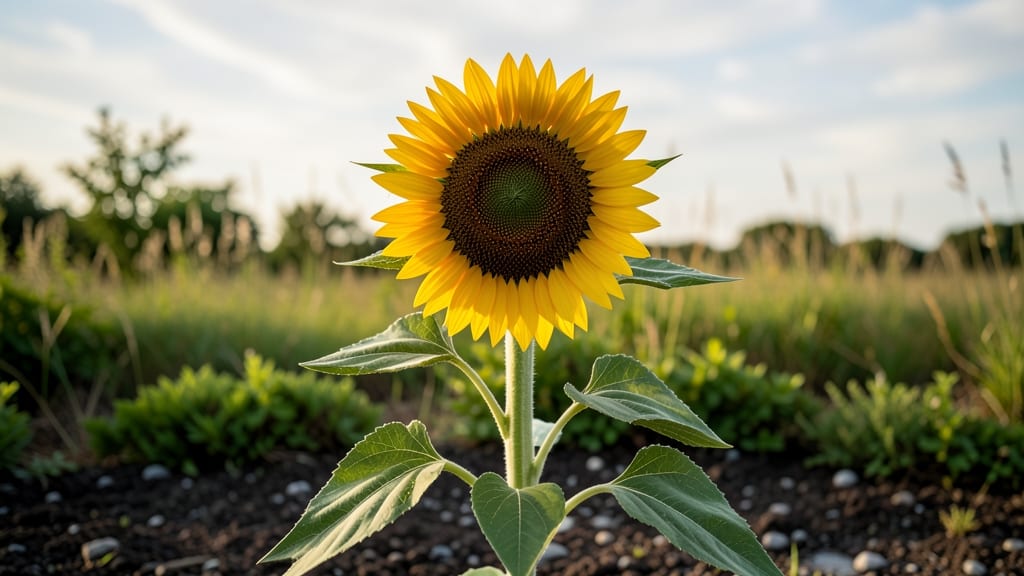
The height of sunflowers can vary dramatically, from dwarf varieties just a few feet tall to giant species towering over 16 feet—a range that turns your garden into a living skyline.
Picture this: a 🌻 that starts as a tiny seedling in spring and ends up taller than you by fall. That’s the magic of sunflowers, but their height isn’t just about luck—it’s about the right variety, care, and a little know-how.
Whether you’re dreaming of a backyard sunflower grove or just want to fit them into a small space, understanding how genetics, sunlight, and soil work together will help you grow the perfect sunflower giants (or keep them compact).
In this guide, I’ll break down the height ranges by variety, share care tips to maximize growth, and even show you how to control their size if space is tight. Let’s get growing!

Sunflower height by variety: from dwarf to giant species
Sunflowers come in a stunning range of heights, from compact dwarf varieties perfect for containers to monumental giants that rival small trees. The height of your sunflower isn’t just about genetics—it’s also shaped by growing conditions, soil quality, and care practices.
Whether you’re designing a small urban garden or dreaming of a record-breaking sunflower, choosing the right variety is key.
Most gardeners categorize sunflowers into three height groups: dwarf (1–3 ft), medium (3–6 ft), and giant (8–16+ ft). Each group offers unique benefits—dwarf varieties thrive in tight spaces, medium-height plants make stunning cut flowers, and giants create dramatic focal points.
Let’s explore the best options for each category, including rare heirlooms and modern hybrids.
Why height matters: Tall sunflowers need strong stems and deep roots, while dwarf varieties often have earlier blooming times and longer vase life. Your choice should align with your garden layout, climate, and intended use—whether it’s for bird feeding, culinary seeds, or simply visual impact.
If you’re working with limited space
How to maximize sunflower height with proper care
Sunflowers thrive when given the right conditions, and their height potential is directly tied to how well you meet their basic needs. The key to growing taller sunflowers lies in three pillars: soil quality, sunlight exposure, and consistent moisture.
Even the hardiest varieties like 'Russian Giant' can fall short if these factors aren’t optimized from the start.
I’ve grown sunflowers for years, and I can tell you that genetics set the baseline, but environmental factors determine whether your plants hit their maximum height or stay stunted.
For example, a 'Mammoth' variety might only reach 10 feet if planted in poor soil, while the same variety can easily top 14 feet with proper care. Let’s dive into the science-backed strategies that will help your sunflowers reach for the sky.
⚠️ WARNING: Common Mistakes That Stunt Sunflower Growth
🚨 Avoid These Height Killers
- Overcrowding: Plants compete for nutrients and sunlight, limiting height growth. Space giant varieties at least 2 feet apart.
- Inconsistent watering: Drought stress causes stunted growth, while overwatering leads to root rot. Aim for 1 inch of water per week.
- Poor soil drainage: Sunflowers hate soggy roots. Amend clay soil with compost or sand to improve aeration.
- Lack of sunlight: Even 6 hours of sun can reduce height by 30%. Full sun (8+ hours) is non-negotiable.
💡 Fix it now: If you spot yellowing leaves or slow growth mid-season, adjust watering, thin plants, or move them to a sunnier spot immediately.
Start with well-draining soil rich in organic matter. Sunflowers love loose, fertile soil with a pH between 6.0 and 7.5. Before planting, mix in 2-3 inches of compost or aged manure to provide essential nutrients like phosphorus and potassium, which fuel rapid stem elongation.
I like to add a balanced fertilizer (10-10-10) at planting time to give my sunflowers a strong start.
Sunlight is non-negotiable for height. Sunflowers are heliotropic, meaning they follow the sun’s path to maximize energy absorption. Ensure your plants get at least 6-8 hours of direct sunlight daily.
If your garden lacks full sun, consider using reflective surfaces (like white walls or mirrors) to bounce extra light onto your plants. I’ve seen height increases of up to 2 feet in sunflowers grown near reflective surfaces compared to those in shadier spots.
Watering plays a critical role in maximizing height. While sunflowers are drought-tolerant once established, consistent moisture is key during the first 6 weeks of growth. Water deeply 2-3 times per week to encourage deep root development.
Avoid wetting the leaves to prevent fungal diseases like powdery mildew, which can weaken stems and reduce height. I water mine in the early morning to allow foliage to dry quickly.
To further boost growth, consider side-dressing with nitrogen-rich fertilizer every 4-6 weeks during the growing season. This supports leafy growth and stem strength. However, avoid over-fertilizing, as excessive nitrogen can lead to weak, floppy stems that struggle to support heavy flower heads.
Prune lower leaves regularly to improve airflow and reduce disease risk, which keeps your sunflowers focused on vertical growth.
With the right care, your sunflowers can easily reach their genetic height potential—or even exceed it. For example, a 'Russian Giant' typically grows 12-16 feet, but with optimal conditions, I’ve seen them hit 18 feet in my garden.
The secret? A combination of nutrient-rich soil, full sun exposure, and consistent watering. Now go ahead and grow those towering beauties! 🌻