Flowers
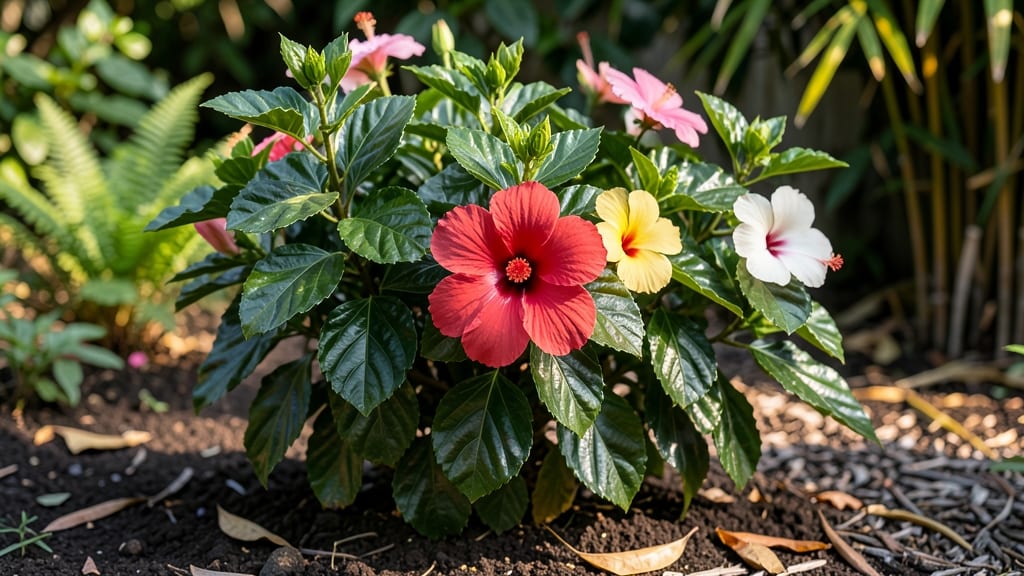
Growing hibiscus with larger flowers depends entirely on understanding how hibiscus flower size varies by variety and care routine.
Did you know hibiscus flowers can range from delicate 4-inch blooms to towering 12-foot trees? Whether you're growing a compact patio variety or a tropical giant, the right spacing, sunlight, and pruning techniques directly determine how big those showstopping blooms will get.
Many gardeners assume all hibiscus grow the same way, but the truth is that soil nutrition, watering depth, and seasonal pruning can double—or even triple—your flower diameter.
In this guide, I’ll break down the exact growth stages that influence bloom size, from seedling to mature plant, and share the science-backed tricks used by top hibiscus growers to maximize their flowers.
You’ll learn which varieties naturally produce the largest blooms, how to read your plant’s growth signals, and when to prune for bigger (not smaller) flowers. No more guesswork—just actionable steps to transform your hibiscus into a bloom powerhouse.
Ready to turn your garden into a hibiscus paradise? Let’s dive into the key factors that make the difference between small, sparse flowers and bold, vibrant blooms that steal the show.


Hibiscus flower size by variety: height, spread, and bloom dimensions
Choosing the right hibiscus variety starts with understanding their mature height, spread potential, and bloom dimensions. These factors determine whether your hibiscus thrives as a compact patio plant or a towering tropical specimen.
For example, the Dwarf Hibiscus stays under 3 feet, perfect for containers, while the Tropical Red can reach 12 feet, making it a statement plant for large gardens. Let's explore how these differences impact your garden design and care routine.
Hibiscus varieties fall into three main categories: tropical hibiscus (perennial in warm climates), hardy hibiscus (cold-tolerant shrubs), and dwarf hibiscus (compact patio favorites). Each category has distinct growth habits that affect their ideal spacing and sunlight requirements.
Fast growers like Hibiscus rosa-sinensis can add 3 feet of height per year, while slower varieties like Hibiscus moscheutos mature over multiple seasons. Knowing these growth rates helps you plan for pruning and support needs.
Here's a quick comparison of the most popular hibiscus varieties based on their height, spread, and bloom size to help you visualize their potential in your garden layout.
| Variety | Height (ft) | Spread (ft) | Bloom Size (in) | Growth Rate | Sunlight | Ideal Spacing |
|---|---|---|---|---|---|---|
| Tropical Red (H. rosa-sinensis) | 8-12 | 6-10 | 5-7 | Fast | Full Sun | 8-10 ft |
| Hardy Hibiscus (H. moscheutos) | 4-8 | 3-6 | 6-10 | Moderate | Full Sun | 5-7 ft |
| Dwarf Hibiscus (H. rosa-sinensis 'Pygmy') | 1-3 | 2-3 | 3-4 | Slow | Full Sun | 2-3 ft |
| Hibiscus syriacus (Rose of Sharon) | 6-10 | 5-8 | 3-5 | Moderate | Full Sun | 6-8 ft |
| Hibiscus coccineus (Scarlet Rose Mallow) | 3-5 |
How hibiscus growth stages affect flower size and plant structureEvery hibiscus plant follows a predictable growth journey that directly impacts its final bloom size and structural strength. The three primary stages—seedling, juvenile, and mature—each play a critical role in determining whether your plant will produce dainty 4-inch flowers or showstopping 10-inch blooms. During the seedling phase (first 60 days), your hibiscus focuses on root development rather than flower production, which is why many gardeners see minimal blooms in their first year. This early stage sets the foundation for stem thickness and branching potential, both of which influence how large individual flowers can grow. As hibiscus transition into the juvenile stage (6-12 months), they begin developing their first true leaves and side branches. This is where light exposure becomes non-negotiable—plants grown in partial shade during this phase often develop weak stems that can't support larger blooms. The branching pattern established here determines how many flower buds your plant can produce simultaneously, with more branches typically leading to bigger, more abundant blooms. Many tropical hibiscus varieties, like the Hibiscus rosa-sinensis, show dramatic size differences based on how vigorously they branch during this stage. 🌸
Hibiscus Growth Stages & Flower Size
Seedling Stage (0-60 days)
Focus: Root development Impact: Stem thickness Action: Provide full sun
Juvenile Stage (6-12 months)
Focus: Branching pattern Impact: Flower bud count Action: Prune for bushiness
Mature Stage (12+ months)
Focus: Bloom size Impact: Stem strength Action: Fertilize for blooms
Seasonal Note
Spring flush = smaller blooms Summer blooms = largest size Prune after summer blooms
Pro Tip: Prune in late winter to encourage larger summer blooms while maintaining plant structure.
The mature stage (12+ months) is when hibiscus truly shine, producing their largest and most vibrant blooms. This is when proper pruning techniques become essential—cutting back overgrown branches in late winter encourages new growth that will support bigger flowers. Mature plants also develop thicker stems capable of holding heavier blooms, which is why varieties like the Hibiscus syriacus (hardy hibiscus) can produce flowers weighing up to 3 ounces each. The key here is balancing pruning with nutrient supply; over-pruning can reduce flower size while under-pruning may lead to smaller, crowded blooms. Seasonal growth patterns further influence hibiscus flower size, with spring flushes typically producing smaller blooms compared to summer blooms. This occurs because spring growth prioritizes establishing new branches, while summer energy focuses on flower production. If you notice your hibiscus producing smaller-than-expected flowers in spring, don't panic—this is normal! The real showstopper blooms usually arrive in midsummer when your plant is fully established. For maximum bloom size, I recommend focusing pruning efforts on late winter to early spring to redirect energy toward larger summer flowers. One common misconception is that larger hibiscus varieties automatically produce bigger flowers, but this isn't always true. For example, the Hibiscus moscheutos (swamp hibiscus) can grow 12 feet tall but produces 8-10 inch blooms, while the compact Hibiscus coccineus (scarlet hibiscus) stays under 5 feet but can produce 6-inch blooms. The actual flower size depends more on genetics combined with proper care during each growth stage. By understanding these patterns, you can strategically plan your garden layout—placing larger-flowering varieties where they'll be most visible while using compact varieties for borders. To maximize your hibiscus flower size, pay close attention to stem thickness and branching density during the juvenile stage. Thin, weak stems can't support large blooms, while dense branching creates competition that often results in smaller flowers. The solution? Practice selective pruning—removing only the weakest growth while encouraging strong, upright branches. For varieties prone to leggy growth, like Hibiscus rosa-sinensis, I recommend pinching back the tips of new growth when they reach 6 inches to promote bushier, more robust plants capable of supporting larger blooms. Remember that hibiscus flower size isn't just about aesthetics—it's also about plant health and longevity. Larger blooms require more energy, which means your plant needs adequate nutrients, water, and sunlight throughout all growth stages. By understanding how each phase influences your hibiscus's development, you'll be able to create the perfect conditions for showstopping blooms that will be the envy of your neighborhood. Start observing your plants now—you'll begin seeing dramatic differences in just one growing season! 🌿 |