
How To
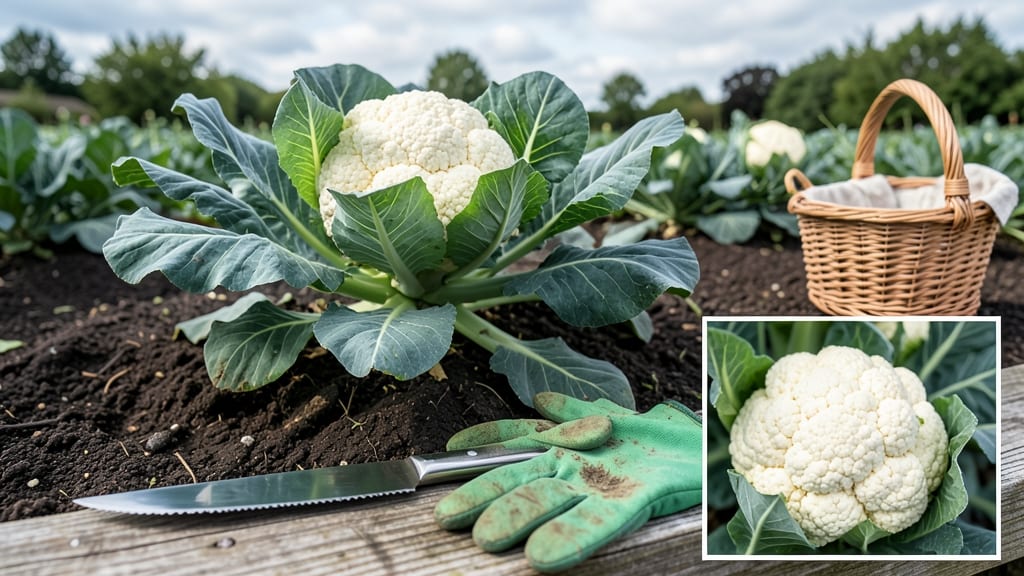
Knowing when to harvest cauliflower 🥬 means catching it at the peak of tenderness—before the curds turn woody or bitter.
Picking too early leaves you with small, underdeveloped heads, while waiting too long risks tough, yellowing florets that ruin even the best recipes. The difference between a perfect harvest and a disappointing one often comes down to timing and a few simple visual cues.
You’ll learn how to check curd size, color, and firmness, plus how temperature and weather play a role in the ideal harvest window. No more guesswork—just crisp, flavorful cauliflower straight from your garden.
From recognizing the right moment to storing your harvest properly, this guide covers everything you need to avoid common mistakes and keep your cauliflower at its best.


Cauliflower harvest checklist: curd color, size, and firmness guide
Timing your cauliflower harvest perfectly ensures you get those crisp, sweet curds instead of tough, bitter florets. The key lies in watching for three critical cues: size, color, and firmness. Miss any of these, and your harvest could be ruined before it even hits the cutting board.
Let's break down exactly what to look for to nail that ideal harvest window.
Most gardeners wait 70-100 days after planting before checking for harvest readiness. But don't rely on days alone—visual cues matter more. A 6-8 inch diameter is your target size, but the real magic happens in the curd's texture and color.
Purple or orange heirloom varieties follow the same rules, just with different color targets. Let's dive into the specifics so you never miss the perfect moment.
| Harvest Cue | Ideal Specification | What to Avoid |
|---|---|---|
| Curd Size | 6-8 inches in diameter | Smaller than 4 inches or larger than 10 inches |
| Color | Creamy white (or deep purple/orange for heirlooms) | Yellowing, pale, or uneven color |
| Firmness | Tight, compact florets that resist gentle pressure | Loose florets or stems that snap too easily |
| Leaves | Outer leaves start yellowing | Dark green leaves with no yellowing |
| Stem Test | Twists easily with a slight resistance | Stem breaks too easily or resists too much |
The size checkpoint is your first clue—aim for a 6-8 inch diameter. Anything smaller means the curd isn't fully developed, while heads larger than 10 inches often become tough and fibrous.
I once harvested a 12-inch monster that tasted like cardboard because I waited too long. Trust me, you don't want that experience!
Next, focus on color consistency. For standard varieties, look for a creamy-white hue throughout the curd. Heirloom types like Purple of Sicily should show deep, even purple. Avoid heads with yellowing florets or uneven coloring—they're past their prime.
A quick trick? Hold the head up to the sky; if you see shadows through the florets, it's ready.
Firmness is where many gardeners trip up. A ready-to-harvest curd should feel solid and dense when you gently squeeze it. If florets pull apart easily or the stem snaps too cleanly, you've waited too long.
On the flip side, if the head feels rock-hard, it might need a few more days. Think of it like testing a ripe avocado—just enough give, but not too soft.
Don't overlook the outer leaves either. When they start turning yellow and dying back, it's nature's way of saying, "Harvest me now!" This is especially true for late-season varieties, which mature more slowly in cooler weather.
If your plants are in USDA Zone 6a or below, watch for early frost signs—you might need to harvest sooner than expected.
Temperature plays a sneaky role too. Hot days above 85°F can speed up maturation, while cooler weather slows it down. If your garden is baking under summer sun, check your curds every 2-3 days instead of waiting for the full 70-100 days.
Pro tip: Harvest in the early morning when temperatures are cooler and the curds are at their crispest.
One common mistake I see is harvesting by the calendar instead of the plant. Just because your cauliflower is 75 days old doesn't mean it's ready—always check the visual cues first.
I've seen 60-day-old heads that were perfect and 90-day-old heads that were already going to seed. The plant's signals matter more than the days on the calendar.
Finally, use the twist-and-snap test as your final confirmation. Gently grasp the stem near the base and twist. If it snaps cleanly with slight resistance, you're golden. If it pulls out like a weed or the stem breaks too easily, hold off for another day or two.
This test is your ultimate quality control before making the cut.
Once you've checked all these boxes, grab your sharp knife or pruning shears and cut the stem about 1 inch below the curd. Leave the outer leaves intact if possible—they protect the head during transport.
Now you're ready to enjoy that homegrown perfection in your favorite recipes or share it with neighbors who'll be jealous of your timing skills! 🥬
Common harvest mistakes and how to avoid them (with warning signs)
Harvesting cauliflower at the wrong time is one of the most common mistakes gardeners make. Overripe heads turn yellow and bitter, while underripe ones stay small and loose. Even a few extra days can turn your perfect curds into tough, unusable florets.
The key is watching for subtle visual cues and understanding how weather and temperature impact readiness.
Many gardeners wait too long because they assume bigger is better. But yellowing curds or opening florets are clear signs you’ve missed the window. Similarly, harvesting too early leaves you with underdeveloped heads that lack flavor and texture.
Let’s break down the warning signs and how to adjust for seasonal challenges.
⚠️ Harvest Too Late? Watch for These Red Flags
- Yellowing curds – A sure sign of overmaturity and bitterness.
- Opening florets – Curds splitting apart means the plant is done producing.
- Brown or dried outer leaves – Indicates the plant is shutting down.
Pro Tip: If your cauliflower heads are 6-8 inches wide but still creamy-white and firm, harvest immediately—don’t wait!
Temperature plays a huge role in harvest timing. Heat-sensitive varieties like Snowball cauliflower may bolt or turn bitter in temperatures above 80°F. If your garden is forecasted to hit 90°F+, harvest earlier than usual or provide afternoon shade.
Conversely, cool-season varieties thrive in 55-75°F ranges, so plan harvests during spring or fall for optimal flavor.
Rain delays can also spoil your harvest. Prolonged wet conditions promote fungal diseases like downy mildew, which weaken the plant and accelerate overripening. If rain is forecasted, harvest 2-3 days early and store the heads in a cool, dry place (like a garage or basement) to extend freshness.
Never leave cauliflower in wet soil for more than 48 hours before harvesting.
Another mistake? Ignoring the stem test. Ready-to-harvest cauliflower should snap cleanly when you gently twist the stem. If it resists or pulls out with resistance, the head isn’t mature enough. Pair this with a firmness check—press a floret gently; it should feel solid, not mushy or hollow.
For purple or orange varieties, color deepens as they mature, but the same firmness and size rules apply. Heirloom types like Romanesco may take longer to reach harvest size, so monitor them closely.
If you’re unsure, harvest a small head as a test—it’s better to have a few perfect curds than one giant disappointment.