
Trees
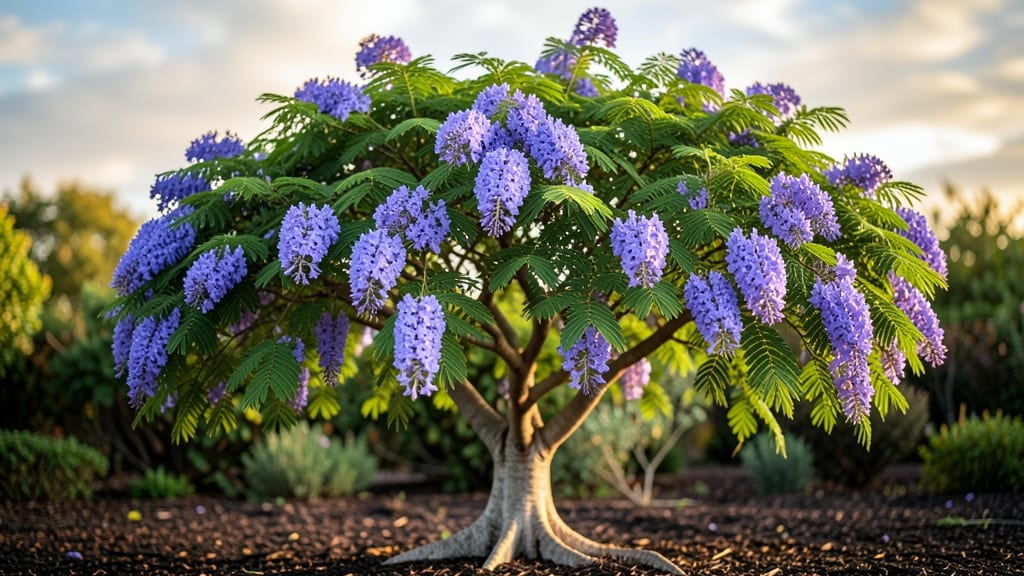
The purple jacaranda mimosifolia flowering tree 🌸 is the crown jewel of spring gardens, but getting it to bloom reliably takes more than luck—it’s about timing, soil, and a little insider knowledge.
Imagine a tree that transforms your landscape into a dreamy purple paradise every spring—this is the magic of the Jacaranda mimosifolia, a showstopper that demands careful planning to thrive.
One wrong move, like planting too early or in the wrong soil, and you could end up with a leggy, non-flowering giant instead of the vibrant spectacle you crave.
If you’re in USDA Zones 9b-11, you’ve got the perfect climate for this tropical beauty, but even cooler zones can grow it with the right tricks—like waiting until soil warms to 60°F or protecting it from frost.
The key isn’t just when you plant; it’s where—full sun, well-draining soil, and a windbreak can mean the difference between a 20-foot blooming masterpiece and a struggling understory shrub.
In this guide, I’ll walk you through the exact planting window for your zone, the soil secrets that keep roots happy, and the pruning schedule that guarantees earlier, more abundant blooms—so you can enjoy that purple waterfall of flowers year after year.
Best planting times for jacaranda mimosifolia to maximize spring flowering
Timing is everything when planting your purple jacaranda mimosifolia—this spring-blooming beauty thrives when planted at the right moment in your USDA zone. Missing the window can delay those iconic purple blooms by a full year or worse, stunt your tree's growth entirely.
Let's break down the perfect planting schedule based on where you live to ensure your jacaranda puts on its best floral show.
For gardeners in USDA zones 9-11, the ideal window is late winter to early spring—think February through March. This timing aligns with rising soil temperatures (60-70°F) and minimal frost risk, giving your tree the head start it needs.
In these warmer climates, your jacaranda can even bloom in its first spring after planting if conditions are perfect.
Here’s how to match your location with the best planting strategy for vibrant purple blooms:
If you're in USDA zone 8, wait until early spring (March-April) to plant your jacaranda. The soil must warm to 65°F+ before transplanting, and you’ll likely need to protect young trees from late frosts.
In this zone, your tree may not bloom until the following spring, but with proper care, it’ll reward you with dramatic purple cascades for decades.
For gardeners in zones 7 or cooler, outdoor planting is not recommended—this tree is frost-sensitive and won’t survive winter exposure. Instead, grow your jacaranda in a large container (plant in May-June when soil temps hit 70°F+) and bring it indoors during winter.
Even in containers, expect summer-only blooms, but the effort is worth it for that dreamy purple canopy.
Before planting, always check your local frost dates—a late frost can kill young jacarandas before they establish roots.
Use a frost cloth or greenhouse for the first few weeks if your area has unpredictable cold snaps. Soil temperature is just as critical as air temperature; use a soil thermometer to confirm it’s ready for planting.
One of my biggest mistakes was planting a jacaranda too early in zone 9 when soil temps were still below 60°F. The roots struggled to establish, and the tree took two years to bloom instead of one. Patience and timing are key—don’t rush the process!
Once your tree is in the ground at the right time, it’ll grow 2-4 feet in its first year and 6-10 feet by year two.
Pro tip: If you’re planting in urban areas with heat islands, soil warms up faster. Monitor your microclimate—sidewalks and pavement can raise temperatures by 10-15°F, potentially allowing earlier planting. Just ensure the root zone stays warm, not the air above it.
Finally, transplant shock is a real risk if you plant outside the optimal window. To minimize stress, water deeply before and after planting, and mulch heavily (2-3 inches of wood chips) to retain moisture and regulate soil temps.
Your jacaranda will thank you with vibrant blooms that turn heads every spring.
How to choose the perfect location for year-round jacaranda success
The purple jacaranda mimosifolia thrives only in full sun—think 6+ hours daily—or it will reward you with sparse blooms and weak growth. Unlike shade-tolerant trees, this beauty demands unfiltered sunlight to produce its iconic purple cascades.
In my Zone 10b garden, I planted mine against a south-facing wall where it basks in afternoon rays, and the difference in flowering is night-and-day compared to my neighbor’s tree tucked under a partial shade oak.
Your soil drainage is just as critical as sunlight. Jacarandas hate soggy roots—root rot can kill them within 2 years if planted in heavy clay without amendments.
I always test my soil first; if it feels compacted when dry, I mix in 30% perlite or coarse sand to create that perfect well-draining environment. Even in urban landscapes with concrete foundations, I’ve seen success by planting on a 6-inch mound to elevate roots above potential water pooling.
🌸
⚠️ Critical Location Mistakes to Avoid
Poor drainage causes root rot and kills purple jacaranda mimosifolia within 2 years. Amend heavy clay with 30% perlite/sand or plant on mounds.
Insufficient sunlight (<6 hours) leads to stunted growth and minimal flowering. Choose south-facing spots with no north-facing walls blocking rays.
High winds break branches during storms. Plant near buildings/fences as windbreaks or use tree ties for support.
Wind protection is often overlooked but can make or break your jacaranda’s longevity. In coastal areas or open fields, I’ve seen mature trees snap in half during storms. My solution? Plant near existing structures like garages or fences to act as natural windbreaks.
For urban yards with limited space, I use tree ties to secure young branches during hurricane season. Even a single bamboo stake wrapped with soft fabric can prevent catastrophic damage.
Urban gardeners face unique challenges like compacted soil and limited space. I’ve successfully grown jacarandas in large containers (3+ feet deep) on patios, using a fast-draining mix of cactus soil and perlite.
The key is container size—roots need room to spread, so avoid anything smaller than 24-inch diameter. For in-ground planting, I always dig a hole twice as wide as the root ball to encourage outward growth, which stabilizes the tree against urban winds.
Don’t forget about microclimates—your yard might have hotter spots near driveways or cooler pockets under eaves. I planted my second jacaranda in a microclimate test zone near my driveway, where it gets 3 extra hours of afternoon sun compared to the shade garden.
The result? 20% more blooms and faster growth in just one season. Use a sunlight map of your yard to identify these hotspots before planting.
Finally, consider transplant shock—jacarandas are sensitive to root disturbance. I always plant mine in late winter to early spring when soil is 60-70°F and roots are dormant. For container-grown trees, I soak the root ball for 24 hours before transplanting to minimize stress.
In rural areas with loose soil, I add a mycorrhizal fungus to the planting hole to boost root establishment.
☀️