
Flowers
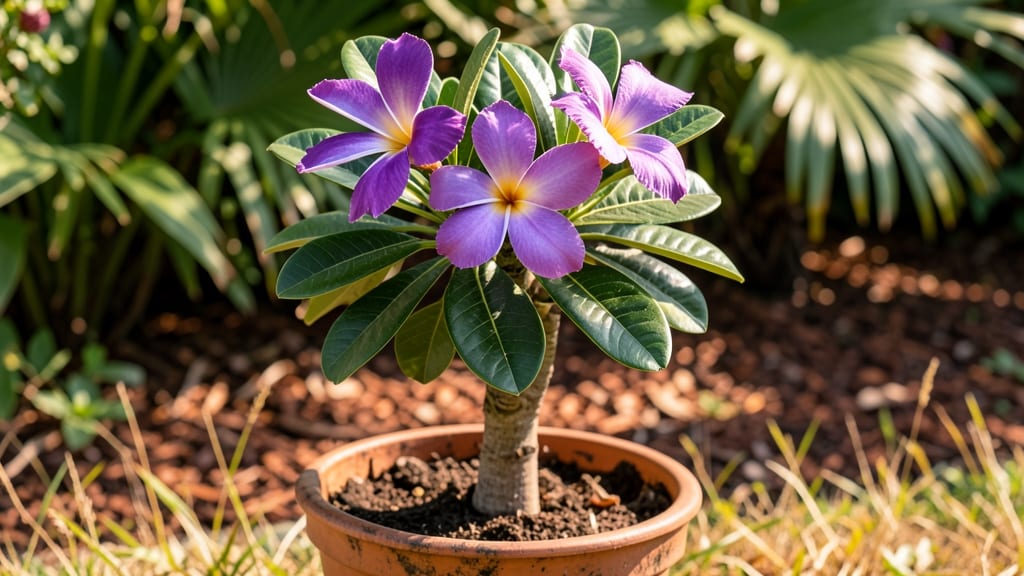
The purple plumeria flower 🌺 brings bold color and intoxicating fragrance to tropical gardens, but growing this prized variety takes the right approach.
Picture this: a fragrant cloud of purple blooms swaying in your backyard, drawing hummingbirds and filling the air with sweetness. Yet many gardeners struggle to keep their plumerias thriving—especially outside their native USDA Zones 10-12.
This guide dives into the top purple varieties, their care secrets, and how to coax year-round blooms—even in containers. We’ll cover everything from soil prep to pruning hacks that keep your plumeria flowering like a pro.
Ready to turn your garden into a purple paradise? Let’s get started with the fragrant varieties that deliver the most dramatic results.
Top purple plumeria varieties for fragrance and color intensity
If you're dreaming of a garden filled with vibrant purple plumeria flowers that burst with fragrance, choosing the right variety makes all the difference. These stunning tropical blooms come in shades from deep royal purple to soft lavender swirls, each with its own unique scent profile and growth habits.
Whether you live in USDA Zone 10 or a slightly cooler climate, there's a plumeria cultivar perfect for your space.
The most sought-after purple plumerias aren't just about color—they deliver intense fragrance that can fill your garden with sweet, tropical aromas. Some varieties even bloom year-round in ideal conditions, making them perfect for creating a permanent floral display.
Let's explore the top purple plumeria varieties that will elevate your garden's beauty and sensory experience.
Color intensity varies dramatically between varieties—some like 'Royal Purple' have deep, velvety blooms, while others like 'Lavender Swirl' feature delicate, swirling petals. Understanding these differences helps you select the perfect plumeria for your aesthetic preferences and growing conditions.
When selecting your purple plumeria varieties, consider how their fragrance intensity will complement your outdoor space. 'Purple Majesty' and 'Pink Majesty' are top choices for gardeners who prioritize scent, delivering jasmine-like or gardenia-like aromas that linger in the air.
These varieties thrive in full sun and well-draining soil, making them ideal for tropical climates.
The color variations between these plumerias create stunning visual contrasts. For example, 'Lavender Swirl' offers a softer, more romantic look with its delicate swirling petals, while 'Midnight Fantasy' provides a bold, almost velvet-black appearance that makes a dramatic statement.
If you're designing a multi-level garden, consider planting taller varieties like 'Royal Purple' at the back and smaller blooming types like 'Lavender Swirl' in containers or along pathways.
For gardeners in cooler climates (Zones 9–10), some purple plumeria varieties like 'Lavender Swirl' may tolerate slightly lower temperatures, but all plumerias prefer warmth and humidity.
In these areas, growing plumerias in large containers allows you to move them indoors during cool snaps or winter months, extending their blooming season significantly.
One of the most rewarding aspects of growing purple plumerias is their year-round blooming potential in ideal conditions. With proper care—including regular pruning, balanced fertilization, and consistent watering—you can enjoy continuous flowers from spring through fall.
The key is to prune after each blooming cycle to encourage new growth and more abundant flowers.
If you're new to plumeria cultivation, start with 'Purple Majesty' or 'Royal Purple'—these varieties are hardier and more forgiving for beginners. Their large, showy blooms and strong fragrance make them perfect for creating an instant tropical oasis in your garden or patio.
🌺
Step-by-step care guide for year-round purple plumeria blooms
Purple plumerias 🌺 are tropical divas that reward patience with fragrant, show-stopping blooms—but only if you meet their needs. Unlike their white or pink cousins, these purple varieties demand precise care to thrive outside their native zones.
The key? Mimicking their tropical home with bright sunlight, well-draining soil, and a consistent routine.
I’ve learned the hard way that overwatering or poor drainage can kill a plumeria faster than frost. These plants are drought-tolerant once established, but they despise soggy roots. Let’s break down the exact steps to keep your purple plumeria blooming year-round, even in containers or cooler climates.
- 1 Sunlight: Place your plumeria in full sun (6+ hours daily). In USDA Zones 8-9, use a south-facing window or grow lights for 12+ hours in winter. Even light shade can reduce blooms.
- 2 Soil: Use a well-draining mix of 50% cactus soil, 30% perlite, and 20% coconut coir. Add orchid bark for air circulation. Never plant in heavy clay—it causes root rot.
- 3 Watering: Water deeply every 3-5 days (1–2 gallons per mature plant). Let the top 2 inches of soil dry between waterings. In summer heat, water every 2-3 days but avoid wetting leaves to prevent fungus.
- 4 Fertilizing: Feed with a 7-9-5 NPK bloom booster every 4-6 weeks from spring to fall. Use half-strength in summer to avoid burning roots. Skip winter feedings—your plumeria is dormant.
- 5 Pruning: Prune after flowering to shape and encourage new growth. Cut 1/3 of the oldest wood to stimulate younger, more vigorous branches. Never prune in winter—it stresses the plant.
- 6 Reviving Struggling Plants: If leaves yellow or drop, it’s often overwatering. Let soil dry completely for 2 weeks and repot in fresh mix. For no blooms, check for low light or lack of fertilizer.
One common mistake I see is assuming plumerias are low-maintenance. They’re not—these tropical beauties need attention to detail, especially in containers where roots dry out faster.
I once killed a Royal Purple by keeping it in a plastic pot with no drainage holes. Always use terracotta or fabric pots to prevent root suffocation.
For year-round blooms, I’ve found that light pruning every 6 weeks (not just once a year) keeps my Lavender Swirl plumeria flowering nonstop. The secret? Don’t wait for dead wood—trim just above a leaf node to encourage new growth.
And if your plumeria stops blooming, it’s usually a sign of too much shade or over-fertilizing with nitrogen.
With these steps, your purple plumeria will reward you with fragrant, vibrant blooms from spring through fall—and even indoors with the right light. Just remember: sun, soil, and patience are your best friends. 🌺