
Watering
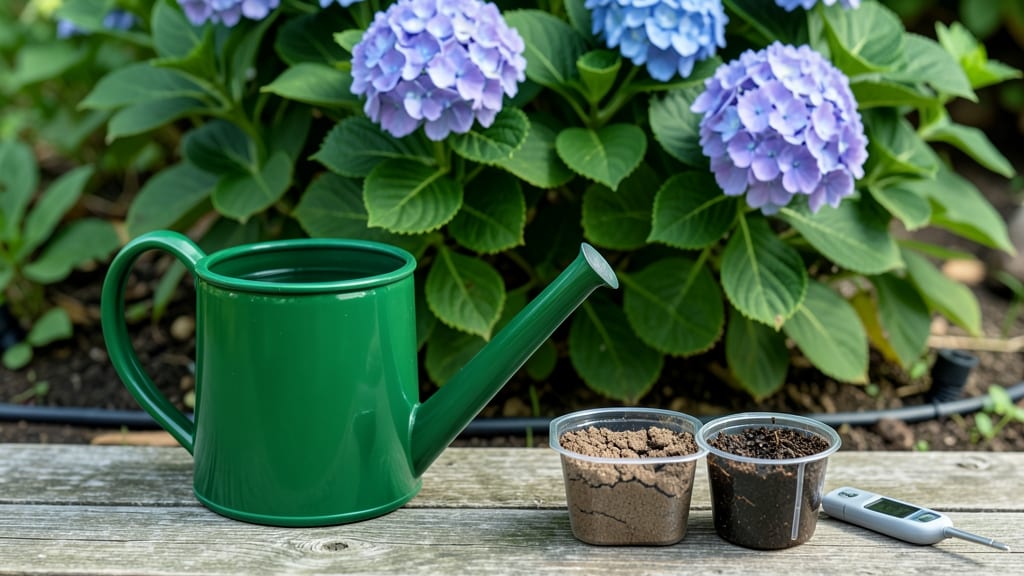
How often should you water flowers: the science behind plant thirst
Watering flowers daily might seem like a foolproof way to keep them thriving, but the reality is far more nuanced. Daily watering can drown roots, while underwatering stresses plants—both extremes harm blooms. The key lies in understanding your soil type, flower species, and local climate.
For example, succulents store water in their leaves, while roses demand consistent moisture. Even the time of year changes what your flowers need.
Think of your garden like a sponge: some plants soak up water quickly, while others release it slowly. Clay soil holds moisture longer than sandy soil, meaning flowers in clay may need water every 3-5 days in summer, while sandy soil might require daily checks.
Humidity also plays a role—dry air evaporates water faster, increasing thirst. Without adjusting your routine, you risk overwatering or underwatering, both of which stunt growth or invite pests.
Here’s the science: plants absorb water through their roots, but excess moisture cuts off oxygen, leading to root rot. Meanwhile, wilting signals dehydration. The goal is to keep soil evenly moist—not soggy, not bone-dry.
Most flowers thrive with 1 inch of water per week, but this varies wildly. For instance, petunias love frequent light watering, while lavender despises it. Let’s break down the factors that determine your watering schedule.
| Factor | Impact on Watering Frequency | Example Adjustments |
|---|---|---|
| Soil Type | Clay holds water longer; sand drains quickly. | Clay: Water every 3-5 days. Sand: Water daily in summer. |
| Plant Species | Succulents need less; roses need more. | Succulents: Every 7-10 days. Roses: Daily in heat. |
| Climate | Hot/dry = more water; cool/humid = less. | Summer: Water morning/evening. Winter: Reduce to bi-weekly. |
| Season | Spring/Fall: Moderate. Summer: Increase. Winter: Decrease. | Summer: Deep water 2x/day. Winter: Skip unless dormant. |
| Container vs. Ground | Pots dry out faster than in-ground plants. | Pots: Check daily. Ground: Every 2-3 days. |
Seasonal shifts are a game-changer. In summer, temperatures soar, and evaporation rates triple, meaning your morning watering might need to become twice-daily. But in winter, many flowers enter dormancy, reducing their need to a bi-weekly check.
Even spring and fall demand different approaches: spring is about establishing roots, while fall preps plants for winter. Ignoring these shifts leads to wilting or mold growth.
Let’s talk soil moisture. Stick your finger 1 inch into the soil—if it’s dry, water; if damp, wait. This finger test beats guesswork. For potted flowers, lift the pot: if it’s light, water immediately. Mulch also helps retain moisture, reducing how often you water by 30-50%.
Without mulch, soil dries out faster, especially in full sun conditions where temperatures can exceed 90°F.
Daily watering becomes necessary only in extreme heat (above 95°F) or for water-loving flowers like hydrangeas or impatiens. Even then, deep watering every other day beats shallow daily sprinkles.
Shallow watering encourages roots to stay near the surface, making plants vulnerable to drought. Always water at the base, not the leaves, to prevent fungal diseases like powdery mildew.
Your local climate dictates the baseline. In arid regions like Arizona, daily watering might be essential for annuals, while in humid zones like Florida, you might water every 3-4 days. Use a rain gauge to track natural water input—many gardeners overestimate rainfall, leading to overwatering.
Adjust based on weekly rainfall totals: if you get 1 inch of rain, skip watering for 3-5 days.
Myth-busting time: daily watering isn’t always better. In fact, it’s the #1 cause of root rot in gardens. Plants need oxygen in their roots, and soggy soil suffocates them. Instead, aim for consistent moisture—not a rigid schedule.
Use a moisture meter for precision, especially for high-value plants like orchids or peace lilies, which are finicky about hydration.
Pro tip:
Signs your flowers are overwatered (and what to do next)
Your flowers might be getting too much love—literally. Overwatering is a silent killer, often disguised as attentive care. When roots drown in soggy soil, they can’t absorb oxygen, leading to a cascade of problems. Yellowing leaves, mushy stems, and stunted growth are all red flags.
Even well-meaning gardeners can fall into the trap of thinking "more water = better blooms," but the opposite is often true.
Most flowers thrive on consistent moisture, not constant soaking. The key is balance: enough water to hydrate roots but not enough to suffocate them. Clay-heavy soil or plastic pots without drainage are especially risky, as they trap excess moisture.
If your flowers look healthy but their roots are rotting underground, you’ve got a hidden crisis.
Daily watering is a common mistake that leads to root rot and fungal diseases. Most flowers only need watering every 2-3 days in warm weather, or every 5-7 days in cooler months. Test soil moisture by sticking your finger 1 inch deep—if it’s damp, wait before watering again.
💧 Pro Tip: Water deeply but infrequently to encourage strong root growth.
One of the first visual signs of overwatering is yellowing leaves, especially on older foliage. This isn’t the same as nutrient deficiency—it’s a cry for help from roots that can’t breathe. Mold or mildew on soil or stems is another clear warning.
If you see white, fuzzy growth or a musty smell, your flowers are drowning in their own pot.
Don’t ignore wilting flowers either—this is often a late-stage symptom. Overwatered plants can’t uptake nutrients, so even if the soil looks wet, the roots are starving. Check the base of the stem: if it feels mushy or black, root rot has set in.
At this stage, recovery is tough, but not impossible with immediate action.
To fix overwatered flowers, start by stopping all watering for 24-48 hours. Then, gently loosen the soil around the roots to improve airflow. If the plant is in a pot, move it to a shady spot and let the soil dry out completely before watering again.
For severe cases, trim away mushy roots with sterilized scissors and repot in fresh, well-draining soil.
Prevent future issues by using containers with drainage holes and amending heavy soil with perlite or compost. Mulching helps regulate moisture, but avoid piling it directly against stems. Morning watering is ideal—it gives excess moisture time to evaporate before nightfall, reducing fungal risks.
Remember, healthy flowers drink deeply, not frequently. Pay attention to their natural rhythms: wilting slightly in the afternoon is normal, but flowers that stay droopy even after watering are begging for a break from the hose. Trust the soil, not the calendar.