
Flowers
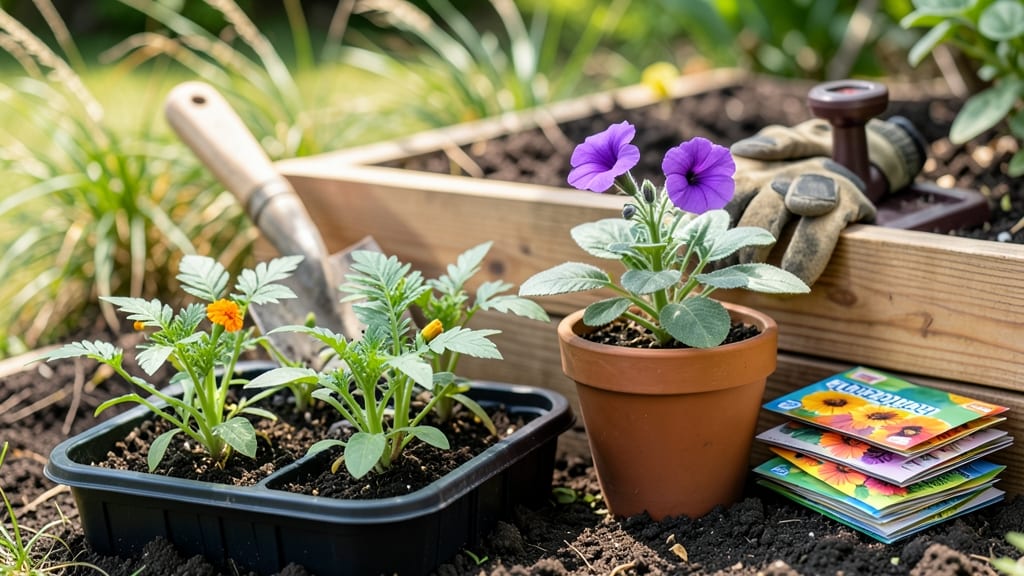
When can you start planting flowers after your last frost date to ensure they thrive—not just survive—with vibrant blooms from spring to fall?
Timing your flower planting perfectly ensures vibrant blooms and thrives—not wilted seedlings. But with last-freeze dates varying by region, how do you know when to start?
In USDA Zone 6a, like much of the Midwest, you’ve got a 6-week window between April 15 and May 30 to get annuals in the ground. Miss it, and you risk frost damage or stunted growth.
This guide breaks down exactly when to plant—whether you’re starting seeds indoors or sowing directly—plus seasonal prep tips like soil testing and mulching to maximize your garden’s success.
You’ll learn which flowers bloom early, which need heat to thrive, and how to adjust for your local microclimate. No more guessing—just perfectly timed planting for a garden full of color.


How to determine your local last-freeze date for flower planting
Knowing your local last-freeze date is the first step to successful flower planting. This critical deadline separates thriving blooms from frozen seedlings. Without accurate timing, even heat-loving marigolds or cold-hardy pansies can suffer.
The good news? You can find this date using three reliable methods: USDA zone maps, historical weather records, and local gardening resources.
Start by checking the USDA Plant Hardiness Zone Map for your area. Each zone (like Zone 5 or Zone 8) has an average last-frost date range.
For example, Zone 5 typically sees its last freeze around April 15, while Zone 8 often reaches frost-free conditions by March 1. These dates provide a baseline, but they’re not foolproof—microclimates can shift timing by weeks.
For more precision, consult your local National Weather Service or agricultural extension office. They track historical frost data and can provide your area’s 30-year average last-freeze date.
Many stations also offer real-time frost alerts via apps or newsletters. I always bookmark my local NWS page to monitor spring frost predictions as the season approaches.
Don’t overlook microclimates—your garden might experience warmer or colder pockets than the general zone suggests. South-facing slopes, urban heat islands, or low-lying areas can delay or advance frost dates. For instance, a sunny hillside in Zone 6 might be frost-free two weeks earlier than a nearby shady valley.
Observe your yard’s patterns over a few years to refine your timeline.
Pro Tip: Use frost-free calculators like those from Old Farmer’s Almanac or Gardeners.com. These tools let you input your ZIP code and generate a customized last-frost date based on local trends. I’ve used these to adjust my spring planting schedule for petunias and impatiens, which need warmer soil to thrive.
Here’s how to use your findings: Add 2–4 weeks to your last-frost date for warm-season flowers like zinnias or cosmos, which need soil temperatures above 60°F.
For cool-season bloomers such as pansies or snapdragons, plant as soon as the ground is workable—often 4–6 weeks before the last frost. Always test soil temperature with a soil thermometer to confirm readiness.
If you’re unsure about your exact last-frost date, consider planting cold-hardy flowers like calendulas or stocks a few weeks early. These varieties tolerate light frosts and can act as sentinel plants—if they survive, your tender perennials are likely safe to plant.
I’ve also used row covers to protect late spring plantings when frost warnings linger.
For fall planting, work backward from your first-frost date (typically October 15 in Zone 5). Many annuals and biennials thrive when sown 8–10 weeks before frost. For example, pansies planted in early September will bloom until winter’s end.
Best flowers to plant by last-freeze date: early, mid, and late season options
Knowing when to plant flowers after your last freeze date is key to a thriving garden. In USDA Zone 6a, where I garden, I’ve learned that timing isn’t one-size-fits-all—some flowers like cool-season pansies can handle early spring, while heat-loving zinnias need warmer soil.
The secret? Matching your last-freeze date with the right plants for your microclimate.
Your local last-freeze date (like April 15 in Zone 6a) acts as your garden’s starting line. But whether you’re planting seeds indoors or direct-sowing outdoors, the rules change based on whether your flowers are cold-hardy or heat-loving.
Let’s break it down by season so you can plan with confidence.
🌱 When to Plant Flowers by Last-Freeze Date
- Early Season (2-4 weeks before last frost): Start cold-hardy seeds indoors (e.g., pansies, snapdragons) or plant hardy bulbs (e.g., tulips, daffodils) in fall.
- Mid-Season (1-2 weeks after last frost): Sow cool-season annuals (e.g., calendulas, sweet peas) and transplant tender perennials (e.g., lavender, coneflowers).
- Late Season (after soil reaches 60°F+): Plant heat-lovers (e.g., marigolds, zinnias, sunflowers) and warm-season veggie flowers (e.g., nasturtiums).
- Fall Planting (8-10 weeks before first frost): Direct-sow cool-season bloomers (e.g., stock, sweet alyssum) for winter color.
- Indoor Starts (6-8 weeks before last frost): Begin slow-to-mature flowers (e.g., dahlias, hollyhocks) under grow lights.
For early-season planting, focus on cold-tolerant annuals like pansies and violas. These thrive in 40–50°F soil and can even handle light frosts.
I always start these 6–8 weeks before my last frost—around March 1 in Zone 6a—to give them a head start. Snapdragons and stock flowers also fit this category and add height and fragrance to spring borders.
Mid-season is when I transition to heat-loving annuals like zinnias and marigolds. These need warmer soil (60°F+), so I wait until 2 weeks after my last frost (around May 1 in my area).
Pro tip: Mix in compost to warm the soil faster. For perennials, this is also the time to plant black-eyed Susans and bee balm, which establish roots before summer heat peaks.
Don’t overlook late-season planting for fall blooms! While many gardeners stop after summer, cosmos, sunflowers, and asters love warm soil and can be sown as late as July 15 in Zone 6a. These provide late-summer color and attract pollinators.
I also plant pansies and sweet alyssum in late summer for winter interest—they’ll bloom until snow flies.
For indoor starts, I swear by grow lights for flowers like dahlias and hollyhocks. These need 6–8 weeks indoors before transplanting after frost. Start them in early March to have blooms by summer.
And if you’re in a warmer microclimate (like near a south-facing wall), you can push planting dates 2 weeks earlier for heat-lovers.
Remember: Soil temperature matters more than air temperature. Use a soil thermometer to confirm it’s warm enough before planting heat-lovers. And always mulch after planting to retain moisture and regulate soil temps. With these timing tips, your garden will burst with color from spring to frost—no guesswork required!