
Blooming
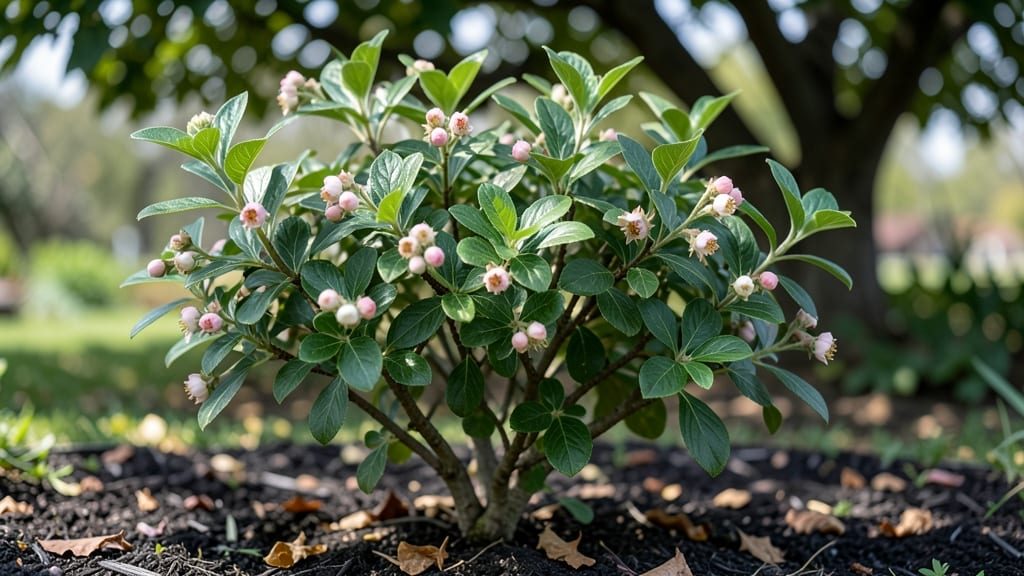
Blueberries flower in late spring, typically between April and May in most of the U.S., when the buds swell and burst into delicate pink or white clusters 🫐.
If you’ve ever wondered why your bushes aren’t producing fruit—or when to expect those stunning spring blooms—timing is everything. Blueberry flowering depends on variety, climate, and even last year’s growing conditions, and getting it right can mean the difference between a bountiful harvest and disappointment.
For example, northern varieties like ‘Bluecrop’ often bloom earlier than southern types such as ‘Duke,’ while chilling hours in your USDA zone can shift the schedule by weeks. Too little cold, and the buds may fail to open; too much heat, and they could drop before setting fruit.
Below, I’ll break down the exact flowering windows by variety, how to spot healthy blooms, and what to do if your bushes skip this critical step—so you can plan for the harvest ahead.
Blueberry flowering timeline by variety: southern vs Northern cultivars
Understanding when blueberries flower is key to maximizing your harvest. Different varieties bloom at distinct times, influenced by their climate origins—whether they’re bred for Southern heat or Northern chill.
In my garden, I’ve learned that timing these blooms right can mean the difference between a fruit-laden bush and a sparse crop. Let’s break down the flowering windows for popular cultivars so you can anticipate—and encourage—the best blooms.
Southern blueberry varieties, like Rabbiteye and Climax, thrive in warmer climates and often bloom earlier in the season. Meanwhile, Northern varieties such as Bluecrop and Duke prefer cooler temperatures and may bloom slightly later, aligning with spring frost risks.
Knowing these differences helps you plan for pest protection, pollination support, and even harvest timing.
Here’s a quick reference for flowering stages to watch for: bud swelling in late winter, pink buds in early spring, and full bloom by mid-to-late spring. These visual cues help you prepare for the critical fruit-set period when flowers turn into berries.
Miss this window, and you might miss out on a harvest entirely.
| Variety | Climate Origin | Flowering Window | Visual Cues | Notes |
|---|---|---|---|---|
| Duke | Northern | Mid-April to early May | Pink buds appear late March; full bloom by late April | Early-season bloomer; frost-sensitive |
| Bluecrop | Northern | Late April to mid-May | Bud swell in March; white flowers by late April | Mid-season; reliable producer |
| Jersey | Northern | Early to mid-May | Bud break in April; full bloom by early May | Late bloomer; great for short seasons |
| Rabbiteye | Southern | March to early April | Bud swell in February; pink buds by March | Early bloomer; heat-tolerant |
| Climax | Southern | Late March to April | Bud break in late February; white flowers by March | Mid-season Southern variety |
| Premier | Southern | April to early May | Bud swell in March; full bloom by April | Late Southern bloomer; large berries |
For Northern varieties like Duke and Bluecrop, flowering typically kicks off in mid-to-late April, aligning with the last frost dates in most USDA Zones 4-6.
These bushes need adequate chilling hours (300–1,000+) to trigger blooms, so if you’re in a warmer microclimate, you might see delayed or sparse flowering. In my experience, mulching with pine straw helps maintain the right soil conditions for these varieties.
Southern varieties, such as Rabbiteye and Climax, bloom earlier—often as early as March—to avoid late-season heat stress. These bushes thrive in Zones 7-9 and can handle warmer temperatures better than their Northern counterparts.
However, they still need protection from unexpected late frosts, which can devastate blooms. I’ve found that using frost cloth during critical bloom periods can save a season’s worth of fruit.
If you’re growing multiple varieties, consider planting early, mid, and late bloomers together. This staggered flowering strategy extends your harvest window and ensures you’re not left with all your berries ripening at once.
For example, pairing Duke (early) with Bluecrop (mid) and Jersey (late) gives you a prolonged harvest from June through August.
Watch for bud swelling in late winter as your first clue that flowering is near. This is when the buds begin to plump up, often turning from green to a pinkish hue. In my garden, I mark these buds with a small flag to track their progress.
Once the buds turn pink, full bloom is just days away, and you’ll see clusters of white or pale pink flowers emerging. This is also the time to check for pollinators like bees and butterflies, as they’re essential for fruit set.
One common mistake I see is assuming all blueberry bushes flower at the same time. Variety-specific timing is critical, especially if you’re cross-pollinating bushes. For instance, Rabbiteye varieties need another Rabbiteye partner for pollination, while Northern highbush varieties can often pollinate each other.
Planting compatible varieties near each other ensures better fruit development and a more abundant harvest.
To encourage healthy blooms, focus on soil acidity (aim for pH 4.5–5.5balanced fertilization. Over-fertilizing with nitrogen can lead to leafy growth at the expense of flowers. Instead, use a low-nitrogen, high-phosphorus fertilizer in early spring to support blooming.
How climate Zones affect blueberry flowering: chilling hours and heat requirements
Understanding your USDA hardiness zone is key to predicting when your blueberries will flower. These zones—ranging from Zone 3 to Zone 9—dictate how many chilling hours your bushes need to break dormancy.
For example, northern varieties like 'Bluecrop' thrive in Zones 4-6 with 800-1,000 chilling hours, while southern types like 'Duke' only need 300-500 hours in Zones 7-9. Without enough cold, buds may fail to open, leaving you with no flowers—and no berries.
Heat also plays a critical role. Blueberries are frost-sensitive during flowering, especially in Zones 7-9. A late frost can destroy blooms before they set fruit. Meanwhile, heat stress in Zones 8-9 can cause buds to drop prematurely.
Balancing these extremes means adjusting your care based on your zone—whether that’s protecting flowers from frost or ensuring adequate water during heatwaves.
- 1 Zone 3-5: Northern varieties (e.g., 'Jersey') need 1,000+ chilling hours and flower in late April-early May. Protect from late frosts with row covers.
- 2 Zone 6-7: Mid-season types (e.g., 'Bluecrop') require 600-800 hours and bloom in May. Monitor for spring frost risks.
- 3 Zone 8-9: Southern varieties (e.g., 'Climax') need 300-500 hours and flower in March-April. Avoid heat stress with afternoon shade.
- 4 All Zones: Late bloomers (e.g., 'Duke') benefit from pruning in winter to reduce flower load and improve fruit size.
If you’re in a warmer zone (Zone 8-9), consider planting early-blooming varieties like 'Centennial' to avoid frost damage. These bushes flower in March, often before late frosts hit.
In contrast, northern zones (Zone 3-5) should focus on hardy varieties like 'Patriot', which tolerates harsh winters and flowers in May, after frost risks pass.
Heat can also stress blueberry flowers, causing them to drop before pollination. In Zones 8-9, provide afternoon shade during peak flowering (typically March-April) to keep temperatures below 90°F.
Mulch heavily with pine bark to retain moisture and regulate soil temperature. For Zone 6-7, prioritize consistent watering during flowering to prevent bud drop.
One of my biggest lessons? Don’t assume all blueberries flower at the same time. Even within the same zone, varieties can bloom 2-4 weeks apart. Planting a mix of early, mid, and late-season bloomers extends your harvest window.
For example, pair 'Duke' (early) with 'Bluecrop' (mid) and 'Jersey' (late) in Zone 6 for a prolonged fruit set.
Pro tip: Use a garden journal to track your blueberries’ flowering dates each year. Note when buds swell, when flowers open, and any frost or heat events that affect blooms.
Over time, you’ll spot patterns—like how a mild winter might delay flowering in Zone 5 or how summer heatwaves can reduce fruit set in Zone 8. Adjust your care accordingly, and you’ll maximize your harvest every season. 🌱