
Blooming
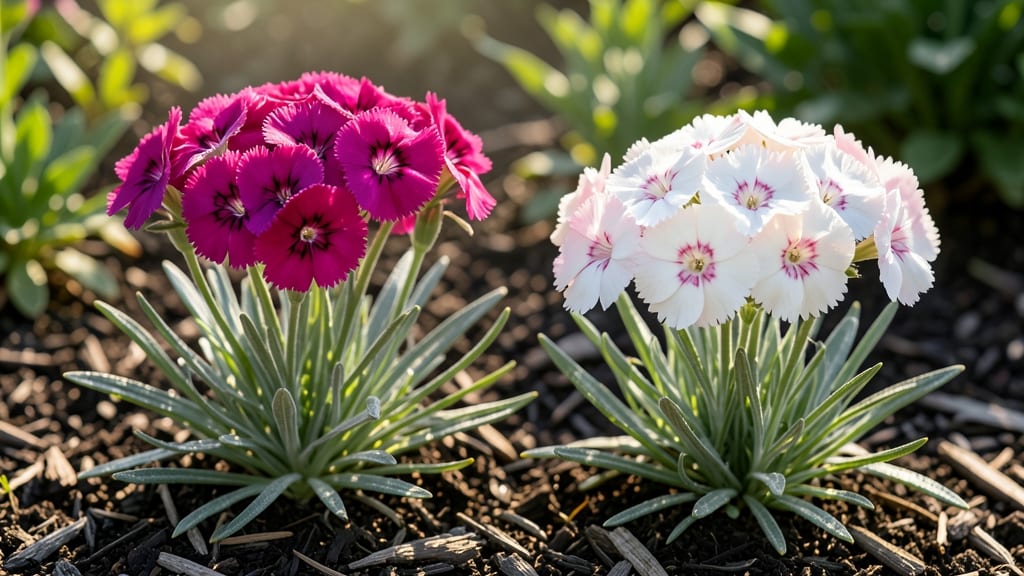
Dianthus flowers bloom in late spring through summer 🌸, with timing that shifts dramatically depending on your climate zone and the specific variety you’re growing.
If you’ve ever wondered why your dianthus plants seem to vanish and reappear like clockwork, the answer lies in their precise—and often surprising—blooming patterns. Some varieties burst into color as early as May, while others wait until July, and perennials may even rebloom in fall if conditions are right.
In USDA Zone 6a, where many gardeners grow dianthus, expect your plants to kick off their show around late May, with peak blooms stretching into early September.
But move just a few zones south, and you might see flowers as early as April, while northern gardeners could push their season into late June.
Below, I’ll break down the exact months for your region, how to coax earlier blooms, and the 3 key care tricks that keep dianthus flowering longer—no guesswork required.
Dianthus blooming seasons by climate zone: a month-by-month breakdown
Dianthus flowers thrive on precision—whether you're growing cool-season varieties like Dianthus gratianopolitanus or heat-tolerant annuals such as Dianthus barbatus, your USDA zone dictates their bloom schedule.
In Zones 3-5, expect vibrant displays from late May through July, while Zones 8-10 may see fall blooms stretching into November. The key? Understanding how temperature shifts and daylight hours trigger their flowering cycles.
For perennial dianthus, like the pinks (Dianthus plumarius), blooms often align with spring's arrival—typically April to June—before fading as summer heat intensifies. Meanwhile, annual varieties like sweet williams (Dianthus barbatus) burst into color 6-8 weeks after sowing, making them perfect for late-spring gardens.
Your local frost dates and summer humidity levels further refine these timelines.
Here’s how your climate zone shapes dianthus blooming windows—compare your location to extend your garden’s seasonal color:
| USDA Zone | Primary Bloom Season | Key Months | Best Varieties | Climate Notes |
|---|---|---|---|---|
| Zones 3-5 | Spring | May–July | Dianthus gratianopolitanus, Dianthus plumarius | Cool springs delay blooms; mulch to protect roots. |
| Zones 6-7 | Spring/Fall | April–June, Sept–Oct | Dianthus barbatus, Dianthus chinensis | Heat waves may cause mid-summer dormancy. |
| Zones 8-9 | Fall/Winter | Sept–Nov, Jan–Feb | Dianthus caryophyllus, Dianthus superbus | Mild winters extend blooming; prune spent flowers. |
| Zone 10 | Year-Round | Feb–April, Sept–Dec | Dianthus deltoides, Dianthus gallicus | Provide afternoon shade; water deeply in dry spells. |
In Zones 3-5, where winters are harsh, Dianthus gratianopolitanus (commonly called cheddar pink) often blooms as early as late April, taking advantage of lengthening daylight before summer heat sets in.
These perennial types may produce a second flush of blooms in fall if given proper care—think deadheading spent flowers and light feeding in early summer.
For gardeners in Zones 6-7, the sweet william (Dianthus barbatus) becomes a spring and fall star. Sown in early spring, it typically blooms by late May, while fall plantings yield September-November color.
The trick? Avoid overcrowding—thin seedlings to 6-8 inches apart for better airflow and longer-lasting blooms.
Southern gardeners in Zones 8-10 can enjoy dianthus blooms nearly year-round, thanks to mild winters. Varieties like Dianthus caryophyllus (carnation) thrive in fall and winter, while Dianthus deltoides offers spring and early summer interest.
Here, afternoon shade is crucial to prevent leaf scorch during peak summer heat.
To extend dianthus blooms, time your pruning and deadheading carefully. After the first spring flush, trim back 1/3 of the plant’s height to encourage compact, bushier growth. For annuals, pinch back young plants when they’re 4-6 inches tall to delay flowering and prolong the display.
In hot climates, mulch with gravel or straw to insulate roots and reduce stress.
One common mistake? Assuming all dianthus varieties bloom at the same time. Perennials like Dianthus plumarius
Top 5 Dianthus varieties and their unique blooming windows
Dianthus plants are famous for their clusters of fragrant blooms and distinct seasonal rhythms. Each variety has its own blooming window, making them perfect for staggered garden color.
Whether you're growing annuals for quick impact or perennials for long-term beauty, understanding these timelines helps you plan your garden like a pro. The key lies in their native climates and growth habits—some thrive in cool springs, while others wait for summer's heat.
I've grown Dianthus barbatus (Sweet William) in my own garden, and its spring-to-early summer blooms always steal the show. But not all dianthus varieties follow this pattern.
Some surprise gardeners with late-summer or even fall displays. Let's explore the top 5 dianthus varieties and when you can expect their show-stopping flowers to appear.
- 🌱 Dianthus barbatus (Sweet William) blooms April-June in cool climates, May-July in warm zones.
- 🌿 Dianthus chinensis (Chinese Pink) flowers June-August, thriving in summer heat.
- 🌺 Dianthus gratianopolitanus (Cheddar Pink) blooms May-July, often reblooming in fall.
- ✂️ Dianthus superbus (Praise Pink) flowers July-September, perfect for late-season color.
- 🌷 Dianthus deltoides (Maiden Pink) blooms May-June, with occasional fall reblooms.
The Sweet William (Dianthus barbatus) is my personal favorite for spring gardens. Its clusters of ruffled petals appear as soon as the soil warms, often in late April or early May in most USDA zones.
This cool-season annual thrives when planted in fall or early spring, giving it a head start on growth. The secret to its prolonged blooms is deadheading spent flowers—this encourages new buds to form for weeks of color.
Chinese Pink (Dianthus chinensis) is the summer's unsung hero. Unlike its spring-loving cousins, this variety waits for warmer temperatures before bursting into bloom. You'll typically see its delicate pink and white flowers from June through August, making it ideal for hot-climate gardens. I've found that well-draining soil and afternoon shade in scorching zones help prevent wilting during its peak blooming months.
For extended seasonal interest, Cheddar Pink (Dianthus gratianopolitanus) is a perennial powerhouse. This low-growing ground cover blooms twice a year: first in late spring and again in early fall.
Its gritty, textured foliage adds year-round interest, while the pink and purple flowers create a soft carpet effect in rock gardens. The trick with this variety is regular pruning after each bloom cycle to maintain its compact shape.
If you're craving late-season color, Praise Pink (Dianthus superbus) delivers with bold magenta blooms that appear from July through September. This heat-tolerant perennial is perfect for dry, sunny spots where other flowers might struggle.
I've noticed it reblooms more reliably in USDA zones 5-9, especially when given a light fertilizer boost in early summer. Its upright growth habit makes it great for border edges or cut flower arrangements.
Finally, Maiden Pink (Dianthus deltoides) offers a wild, cottage-garden charm with its delicate pink flowers appearing in May and June. This native European species thrives in poor, rocky soils, making it ideal for naturalized plantings.
While it's not as prolific a bloomer as other varieties, its unique foliage and occasional fall reblooms make it a valued garden asset. For best results, plant it in full sun and avoid overwatering—it prefers dry conditions once established.